Royal Family Observes Red Arrows Display During Trooping the Colour Ceremony
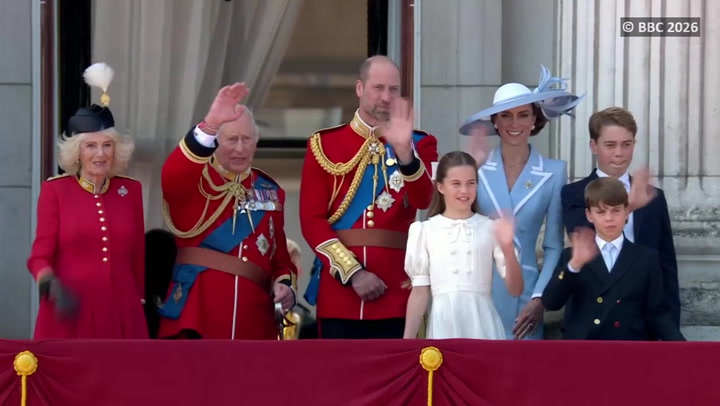
Royal family watches Red Arrows flypast – On a crisp Saturday morning, June 13, the British Royal Family gathered on the balcony of Buckingham Palace to witness a striking aerial performance by the Royal Air Force’s Red Arrows. This event, held as part of the annual Trooping the Colour celebrations, marked the official birthday of King Charles III and drew thousands of spectators to the historic procession along The Mall. The tradition, which dates back to the 17th century, combines military precision with ceremonial pomp, offering a vivid showcase of the monarchy’s enduring connection to the armed forces.
The ceremony began with the arrival of over 1,400 soldiers, accompanied by a marching band of 400 musicians, who paraded through London’s central thoroughfare. Their uniforms, adorned with regalia and medals, reflected the grandeur of the occasion. Horses, a staple of the event, were also part of the display, their presence adding a touch of historical elegance to the modern military spectacle. As the parade unfolded, the crowd below erupted in cheers, a testament to the enduring popularity of the Royal Family and the nation’s pride in its armed forces.
The highlight of the day came when the Red Arrows, the UK’s elite display team, performed an exhilarating flypast. Their jet aircraft, painted in the iconic red, white, and blue livery, traced dramatic patterns across the sky, creating trails of vapor that shimmered in the sunlight. This aerial ballet, known for its precision and flair, was a fitting tribute to the monarch’s birthday and a thrilling spectacle for onlookers. The Red Arrows’ performance was not only a display of skill but also a symbol of the nation’s aviation heritage and its ties to the monarchy.
From the palace balcony, members of the Royal Family were seen waving to the gathered spectators, their gestures a sign of camaraderie with the public. The event’s atmosphere was electric, with people from all walks of life filling the streets to witness the spectacle. Young children clutched flags, while older citizens stood in quiet reverence, their faces illuminated by the vibrant colors of the flypast. The combination of military tradition and modern performance created a unique blend of history and innovation, captivating all who were present.
King Charles III, who has been a central figure in the Trooping the Colour ceremony since his ascension to the throne, was at the forefront of the royal delegation. His presence, along with Queen Camilla and other family members, underscored the significance of the event in the royal calendar. The ceremony, which is also a celebration of the Armed Forces, featured a ceremonial pageant with the Queen’s Company of the Grenadier Guards leading the procession. This unit, one of the oldest in the British Army, played a pivotal role in the event, symbolizing the long-standing partnership between the monarchy and the military.
As the Red Arrows executed their maneuvers, the sky above London became a canvas of color and motion. Their displays, which include formation flying, loops, and rolls, are meticulously choreographed to showcase the capabilities of the RAF. The performance was timed to coincide with the royal family’s appearance, creating a seamless integration of the event’s elements. Spectators, including dignitaries and members of the public, marveled at the precision of the maneuvers, which required years of training and coordination.
The Trooping the Colour ceremony is more than just a parade; it is a national celebration that brings together history, pageantry, and military excellence. The event, which has taken place since 1642, originally served as a means to display the king’s regalia and honor the soldiers who had served in the previous year’s campaigns. Today, it is a vibrant spectacle that includes the Changing of the Guard, the Queen’s Company, and the Red Arrows, each contributing to the grandeur of the day.
During the ceremony, King Charles III’s official birthday was commemorated with a blend of tradition and modernity. The parade, which marched down The Mall, was a display of unity and pride, with soldiers and musicians moving in perfect synchronization. The presence of 200 horses added a touch of the past, as these animals have been integral to the event for centuries. Their riders, dressed in ceremonial attire, moved with the same discipline as their modern counterparts, highlighting the timelessness of the occasion.
The Royal Family’s engagement with the public during the event was a key focus. Members of the family, including the Duke and Duchess of Cambridge and the Prince of Wales, were seen interacting with the crowd, their smiles and gestures reflecting the joy of the occasion. The event’s ability to unite people across generations was evident, as both young and old joined in the celebration. This shared experience, captured on video and broadcasted to millions, reinforced the monarchy’s role as a symbol of national identity and continuity.
Behind the scenes, the meticulous planning of the Trooping the Colour ceremony ensured that every detail was executed flawlessly. The coordination of thousands of participants, from soldiers to musicians to the royal family, required weeks of preparation. The Red Arrows’ performance, in particular, was a result of extensive rehearsals, as their routines are designed to be both visually stunning and technically demanding. The event’s success is a reflection of the dedication and professionalism of all involved.
The impact of the ceremony extended beyond the immediate celebration, with the Red Arrows’ display sparking conversations about the role of the military in modern society. Their performance, which combined artistry with functionality, was a reminder of the importance of aviation in both defense and public engagement. As the aircraft streaked across the sky, the trails of vapor left behind symbolized the fleeting yet memorable nature of the event, a moment that would be etched into the memories of those who witnessed it.
In the days leading up to the ceremony, there was a palpable sense of anticipation in London. The royal family’s presence on the balcony was a highlight, with their attire and movements carefully timed to align with the parade’s rhythm. The event’s ability to blend historical tradition with contemporary spectacle was a defining feature, offering a glimpse into the monarchy’s enduring relevance. For many, the Trooping the Colour ceremony remains a cherished event, a time to reflect on the past while celebrating the present.
As the Red Arrows completed their display, the ceremony concluded with a formal salute from the troops, a moment that encapsulated the respect and honor afforded to the monarchy. The royal family’s participation, both on the balcony and in the procession, was a reminder of their integral role in the event. The combination of military precision, royal tradition, and the vibrant energy of the crowd made the day a unique and memorable experience, one that highlighted the pride and unity that define the British monarchy’s public engagements.
For those unable to attend in person, the ceremony was broadcast live, ensuring that its significance reached a global audience. The Red Arrows’ performance, in particular, became a focal point of the broadcast, drawing attention to the artistry and skill of the RAF. As the cameras captured the family’s gestures and the soldiers’ movements, the event was celebrated not only as a royal tradition but also as a symbol of national pride and heritage. The Trooping the Colour remains a cornerstone of the monarchy’s ceremonial calendar, a time when the nation comes together to honor its leaders and its armed forces.
The future of the event continues to evolve, with each year bringing new elements while preserving its core traditions. The inclusion of the Red Arrows, a team that has been part of the ceremony since 1964, reflects the ongoing adaptation of the royal pageantry to include contemporary symbols of national strength. As the Royal Family continues to engage with the public, events like Trooping the Colour serve as a bridge between the past and the present, ensuring that the monarchy remains a relevant and beloved institution for generations to come.
Overall, the Saturday ceremony was a masterclass in blending history with modern spectacle. The Red Arrows’ aerial performance, the disciplined march of the troops, and the royal family’s presence on the balcony created a cohesive and unforgettable experience. As the sun set over London, the event’s legacy was reaffirmed, with the nation celebrating its monarchy and its military with a sense of pride and tradition that endures through the ages.