
Prostate Care for Men: Key Tips to Maintain Health and Prevent Disease

Prostate health is a critical aspect of men's health and prostate care, particularly as men age. The prostate gland, a small, walnut-sized organ located below the bladder, plays a vital role in the male reproductive system by producing seminal fluid. While it is a normal part of the body, issues such as benign prostatic hyperplasia (BPH), prostate cancer, and prostatitis can significantly impact a man’s quality of life. These conditions often lead to urinary problems, discomfort, and even sexual dysfunction. Fortunately, proactive measures can help men maintain a healthy prostate and reduce the risk of disease. By understanding the importance of men's health and prostate care, individuals can adopt lifestyle habits and preventive strategies that support long-term well-being.
Understanding the Prostate and Its Role in Men’s Health
The prostate is a unique organ that develops during puberty and continues to grow throughout a man’s life. It is responsible for producing the majority of the fluid in semen, which nourishes and transports sperm. This function is crucial for fertility, but the prostate also plays a key role in urinary control by surrounding the urethra, the tube that carries urine from the bladder out of the body. As men age, the prostate can enlarge, leading to symptoms such as frequent urination, difficulty starting or stopping the flow of urine, and a weakened stream. These changes are often due to the natural aging process and hormonal fluctuations, particularly the increase in dihydrotestosterone (DHT) levels.
Understanding the prostate’s role helps men recognize the signs of potential issues early. For instance, men's health and prostate care should include regular checkups to monitor for abnormal growth or inflammation. Early detection can make a significant difference in treatment outcomes, especially for conditions like prostate cancer, which may not show symptoms in its early stages. Men who are aware of their prostate’s function are better equipped to prioritize men's health and prostate care through informed decisions about diet, exercise, and medical screenings. This knowledge empowers individuals to take control of their health and prevent complications before they arise.
Prevention Strategies for Prostate Health
Preventing prostate issues starts with adopting healthy habits that support men's health and prostate care. One of the most effective strategies is maintaining a balanced diet rich in fruits, vegetables, whole grains, and lean proteins. Foods high in antioxidants, such as tomatoes, berries, and green tea, have been linked to reduced risk of prostate cancer. These nutrients help combat oxidative stress, which can damage cells and contribute to disease development. Additionally, including foods like fatty fish (salmon, mackerel), nuts, and seeds can provide essential omega-3 fatty acids and healthy fats that reduce inflammation and support overall health.
Regular physical activity is another cornerstone of men's health and prostate care. Exercise promotes healthy blood flow, which is essential for prostate function, and helps manage weight—a factor that may influence hormone levels. Studies suggest that men who engage in moderate-intensity exercises, such as brisk walking, cycling, or swimming, for at least 150 minutes per week are less likely to develop BPH or prostate cancer. Moreover, exercise reduces stress, which is known to affect hormonal balance and contribute to prostate enlargement. By integrating movement into daily routines, men can take a proactive approach to men's health and prostate care and improve their chances of maintaining a healthy prostate.
The Importance of Hydration and Avoiding Harmful Habits
Staying hydrated is a simple yet effective way to support men's health and prostate care. Drinking adequate water helps flush out toxins and maintains proper urinary function, which is essential for preventing blockages caused by enlarged prostates. It is recommended that men aim for at least eight glasses of water daily, though individual needs may vary based on activity level and climate. In contrast, excessive consumption of alcohol and caffeine can irritate the bladder and contribute to urinary symptoms. While these beverages are not inherently harmful, moderation is key to minimizing their impact on prostate health.
Smoking is another habit that should be avoided for men's health and prostate care. Research indicates that smoking increases the risk of prostate cancer and may exacerbate inflammation in the gland. The chemicals in tobacco smoke can damage DNA and disrupt hormonal balance, both of which are linked to prostate disease. By quitting smoking or reducing tobacco use, men can significantly lower their risk of developing prostate-related issues. Additionally, avoiding a sedentary lifestyle and ensuring regular physical activity can help maintain healthy hormone levels and reduce the likelihood of prostate enlargement. These simple lifestyle adjustments play a critical role in men's health and prostate care and should be incorporated into daily routines.
Lifestyle Changes to Support Prostate Wellness
In addition to diet and hydration, other lifestyle changes can enhance men's health and prostate care. Managing stress through mindfulness, meditation, or yoga is important because chronic stress can elevate cortisol levels, which may interfere with hormone regulation and contribute to prostate problems. Stress reduction techniques not only benefit mental health but also support physical well-being by promoting better sleep and reducing inflammation. Men should prioritize finding healthy outlets for stress, such as hobbies, social interactions, or time in nature, to maintain balance in their overall health.
Maintaining a healthy weight is another essential component of men's health and prostate care. Obesity has been associated with an increased risk of prostate cancer and other conditions like diabetes and cardiovascular disease, which can indirectly affect prostate health. A combination of proper nutrition and regular exercise is the most effective way to achieve and sustain a healthy weight. Men who are overweight may experience higher levels of estrogen, which can stimulate prostate growth. By adopting a lifestyle that includes balanced meals and consistent physical activity, individuals can reduce their risk of prostate-related complications and improve their overall vitality.
The Role of Nutrition in Prostate Health
Nutrition plays a pivotal role in men's health and prostate care, and certain foods have been shown to have protective effects against prostate disease. For example, saw palmetto, a herbal supplement derived from the berries of the saw palmetto plant, is often recommended for men experiencing symptoms of BPH. Research suggests that saw palmetto may help reduce inflammation and improve urinary flow by inhibiting the enzymes that contribute to prostate enlargement. While more studies are needed, some men use saw palmetto as a natural alternative to medications, highlighting its potential in men's health and prostate care.
Another nutrient that supports prostate health is lycopene, a powerful antioxidant found in tomatoes, watermelons, and pink grapefruits. Lycopene has been linked to a lower risk of prostate cancer, particularly when consumed as part of a regular diet. Studies indicate that men who eat tomatoes daily are less likely to develop the disease, possibly due to lycopene’s ability to neutralize free radicals and reduce oxidative damage. Including lycopene-rich foods in meals can be a simple yet effective way to enhance men's health and prostate care. For those who may not enjoy tomatoes, tomato-based sauces or juices can provide a more palatable source of this beneficial compound.
Herbal Supplements and Their Benefits
Herbal supplements are a popular option for men looking to support men's health and prostate care without relying solely on medication. In addition to saw palmetto, other herbs such as pygeum, nettle root, and curcumin (from turmeric) have shown promise in improving prostate health. Pygeum, for instance, is believed to reduce inflammation and ease urinary symptoms associated with BPH. Nettle root may help regulate hormone levels and improve urinary flow, while curcumin’s anti-inflammatory properties can support overall prostate function.
These supplements are often used in conjunction with a healthy lifestyle to provide additional benefits. However, it is important to consult a healthcare provider before starting any new supplement regimen, as they can interact with medications or have side effects. For example, men taking blood thinners should be cautious with curcumin, which may enhance their effects. Incorporating these herbs into a routine can complement men's health and prostate care strategies, offering natural support for long-term wellness.
Recognizing Signs and When to Seek Medical Attention
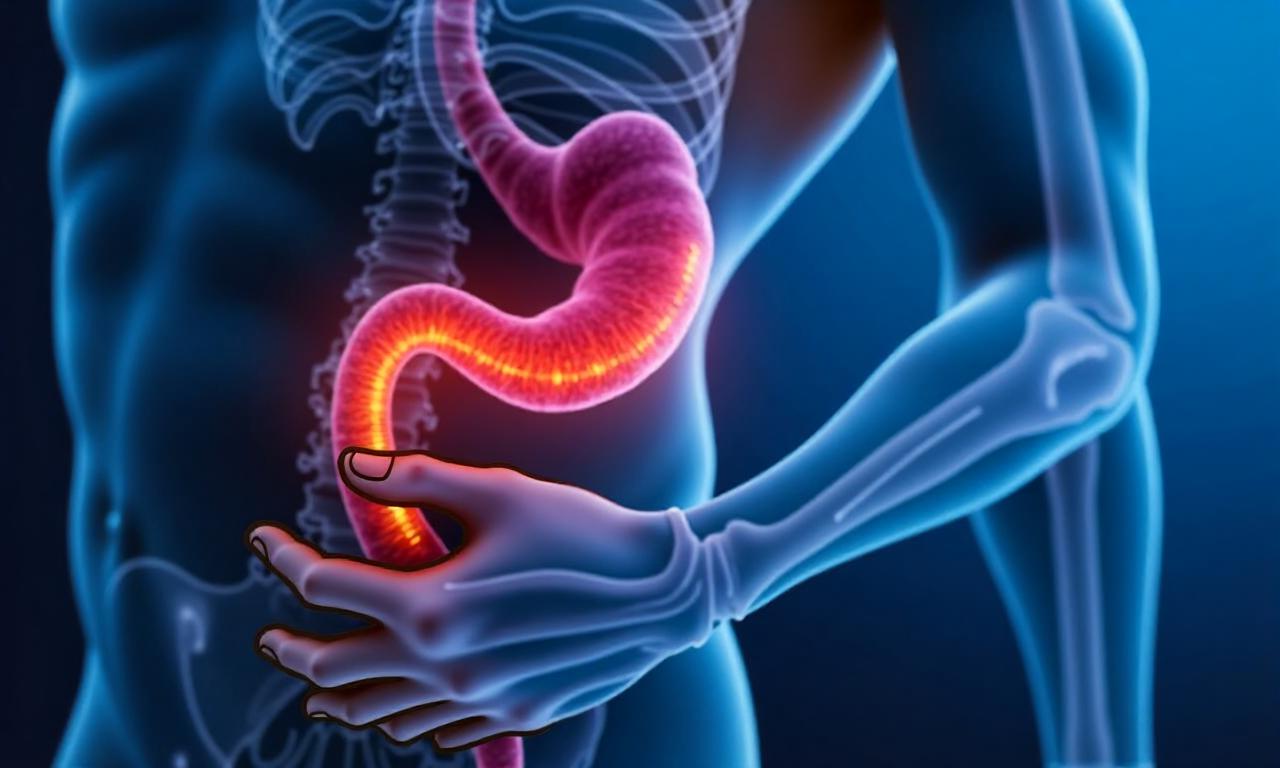
Recognizing the early signs of prostate issues is crucial for timely intervention and effective men's health and prostate care. Common symptoms of BPH include frequent urination, especially at night; a weak or interrupted urinary stream; urgency to urinate; and difficulty starting the flow of urine. These symptoms often worsen with age and can significantly impact a man’s daily life. If these symptoms persist or become bothersome, it is important to consult a healthcare professional for evaluation.
Prostate cancer may present with different signs, such as blood in the urine or semen, painful urination, difficulty in achieving or maintaining an erection, and unexplained weight loss. However, some men may not experience symptoms in the early stages, making regular screenings even more vital. Men over 50 are generally advised to undergo a prostate-specific antigen (PSA) test and a digital rectal exam (DRE) to detect any abnormalities. These tests are simple, non-invasive, and can provide early warning signs of prostate cancer or other conditions. By being aware of the symptoms and scheduling routine checkups, men can ensure they are taking proactive steps toward men's health and prostate care.
The Significance of Regular Screenings
Regular screenings are a key part of men's health and prostate care, especially for men at higher risk of prostate issues. The PSA test measures the level of prostate-specific antigen in the blood, which can indicate prostate enlargement, inflammation, or cancer. While PSA levels may rise with age, they can also be influenced by other factors such as infections or benign conditions. Therefore, combining the PSA test with a digital rectal exam (DRE) provides a more comprehensive assessment. During a DRE, a doctor inserts a gloved, lubricated finger into the rectum to feel the prostate for any irregularities or tenderness.
Screenings are particularly important for men with a family history of prostate cancer or those who have previously experienced urinary problems. Early detection allows for more treatment options and better outcomes. For example, if prostate cancer is found in its early stages, it may be treated with less invasive procedures such as surgery or radiation. Men should discuss their risk factors and screening schedule with a healthcare provider to determine the best course of action. By prioritizing men's health and prostate care, individuals can take control of their health and address potential issues before they escalate.
Managing Chronic Conditions and Hormonal Balance
Men with chronic conditions such as diabetes or hypertension should be especially mindful of their prostate health, as these conditions can affect blood flow and increase the risk of urinary complications. Managing these conditions through proper medication, diet, and lifestyle changes is an integral part of men's health and prostate care. For instance, controlling blood sugar levels can reduce the strain on the prostate and lower the likelihood of developing BPH. Similarly, maintaining healthy blood pressure helps prevent vascular issues that may impact prostate function.
Hormonal balance is another important factor in men's health and prostate care. As men age, their bodies produce less testosterone and more estrogen, which can contribute to prostate enlargement. Hormone therapy, such as finasteride, is often used to manage BPH by reducing the conversion of testosterone to DHT. However, it is important to weigh the benefits and risks of such treatments with a healthcare provider. Some men may prefer natural hormone regulation through diet and exercise, which can also support prostate health. By addressing hormonal imbalances and managing chronic conditions, men can further enhance their overall well-being and reduce the risk of prostate-related problems.
The Impact of Aging and Family History
Aging is a natural factor that influences prostate health, making men's health and prostate care even more important as men grow older. The prostate tends to grow larger with age, which can lead to benign prostatic hyperplasia (BPH) and associated urinary symptoms. Men over 50 are at higher risk of developing BPH, and the condition becomes more common as age increases. While BPH is not a sign of cancer, it can be a precursor to more serious issues if left untreated.
Family history also plays a significant role in men's health and prostate care. If a man has a close relative, such as a father or brother, diagnosed with prostate cancer, his risk increases by up to two times. This genetic predisposition underscores the importance of early screening and proactive health management. Men with a family history should discuss their risk with a healthcare provider and consider starting screenings earlier than the general population. By understanding the role of age and genetics, individuals can take tailored steps to protect their prostate health and reduce the likelihood of developing diseases.
The Role of Diet and Exercise in Aging Prostates
As men age, their prostate health becomes more susceptible to changes, making diet and exercise essential components of men's health and prostate care. A diet rich in antioxidants, fiber, and healthy fats can support prostate function and reduce inflammation. For example, omega-3 fatty acids found in fatty fish and flaxseeds have anti-inflammatory properties that may lower the risk of prostate-related issues. Similarly, phytoestrogens in soy products can help regulate hormone levels, which is beneficial for prostate health.
Exercise also has a protective effect on aging prostates. Physical activity improves circulation, which is crucial for maintaining the health of the prostate and surrounding tissues. It also helps in managing weight, blood pressure, and cholesterol levels, all of which can impact prostate function. Men who incorporate regular physical activity into their routines, such as walking, swimming, or strength training, may experience fewer symptoms related to BPH and a lower risk of prostate cancer. By combining these strategies, men can support men's health and prostate care and maintain a healthier prostate as they age.
Conclusion
Incorporating men's health and prostate care into daily routines is essential for preventing disease and maintaining overall well-being. From understanding the prostate’s role in the body to adopting healthy habits such as diet, exercise, and hydration, men can take proactive steps to support their health. Herbal supplements and regular screenings further enhance men's health and prostate care by addressing specific concerns and facilitating early detection of issues. Additionally, managing chronic conditions and hormonal balance plays a critical role in preventing prostate-related complications.
By staying informed and committed to men's health and prostate care, individuals can significantly reduce their risk of developing prostate diseases. Early intervention, lifestyle adjustments, and routine checkups are all key elements of a comprehensive approach to prostate health. Men should not ignore symptoms such as difficulty urinating or blood in the urine, as they may be signs of more serious conditions. With the right strategies and consistent effort, men can enjoy a healthier, more comfortable life and ensure
