
Top 5 Best Heart Disease Treatments: Effective Options for Patients
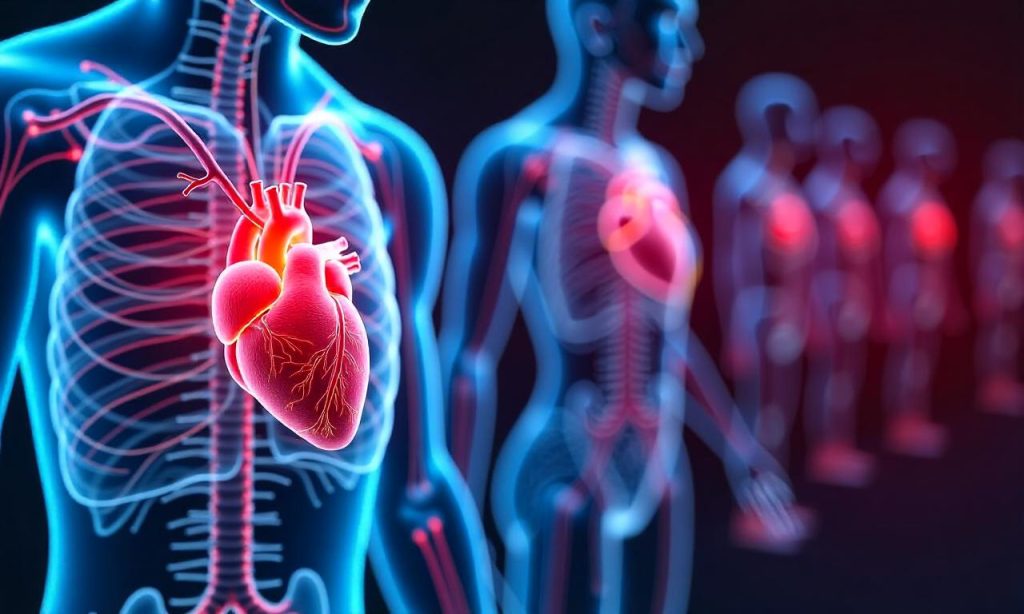
Heart disease remains one of the leading causes of mortality worldwide, affecting millions of people each year. With advancements in medical science, patients now have a variety of effective treatment options to manage and even reverse this condition. However, choosing the Best treatment for heart disease can be overwhelming due to the range of available therapies. This article explores the top five most effective approaches to treating heart disease, offering insights into lifestyle changes, medications, surgical interventions, and innovative therapies. Whether you’re managing a mild condition or facing a more severe diagnosis, understanding these options can help you make informed decisions about your health. From traditional methods like medication to cutting-edge procedures, we’ll break down the key strategies that have proven to improve outcomes and enhance quality of life for patients.
Lifestyle Modifications: The Foundation of Heart Disease Management
Adopting a healthy lifestyle is often the first step in treating heart disease. These changes can significantly reduce the risk of complications and improve overall cardiovascular health. A Heart-Healthy Diet plays a crucial role, emphasizing whole foods, lean proteins, and healthy fats while limiting processed foods, saturated fats, and added sugars. For example, incorporating foods rich in omega-3 fatty acids, such as salmon and flaxseeds, can lower inflammation and support heart function. Regular physical activity is another essential component, as exercise helps strengthen the heart, improve circulation, and manage weight. Patients are generally advised to engage in at least 150 minutes of moderate-intensity aerobic activity per week, such as brisk walking or cycling. Additionally, quitting smoking is a critical measure, as tobacco use increases the risk of plaque buildup in arteries and raises blood pressure. Smoking cessation has been shown to reduce the likelihood of heart attacks and improve recovery rates. Lastly, managing stress through mindfulness, meditation, or hobbies can prevent hypertension and other stress-related cardiovascular issues. These lifestyle adjustments form the backbone of the Best treatment for heart disease and are often recommended in conjunction with medical interventions.
The Role of Diet in Heart Health
A Heart-Healthy Diet is more than just avoiding fast food—it involves making conscious choices about nutrient intake. The Mediterranean diet, for instance, has been widely praised for its ability to reduce cholesterol levels and lower the risk of heart disease. This dietary pattern includes a high proportion of fruits, vegetables, whole grains, and healthy fats, while minimizing red meat and refined carbohydrates. Dietary fiber from foods like oats and legumes helps regulate blood sugar and cholesterol, making them vital for patients with heart conditions. On the other hand, diets high in trans fats, such as those found in fried foods and baked goods, are linked to increased cardiovascular risks. Patients should also focus on portions and frequency of meals, as overeating or irregular eating patterns can strain the heart. Hydration is another key factor, with water being the preferred beverage over sugary drinks. In some cases, doctors may recommend a low-sodium diet to manage blood pressure. These dietary adjustments not only complement medical treatments but can also reduce the need for medication in mild cases of heart disease.
Physical Activity and Cardiovascular Wellness
Regular physical activity is a cornerstone of heart disease treatment, as it helps improve blood flow, strengthen the heart muscle, and regulate blood pressure. Aerobic exercises, such as swimming, walking, or running, are particularly beneficial because they enhance the heart’s ability to pump blood efficiently. Patients should aim for a consistent exercise routine, gradually increasing intensity to avoid overexertion. Strength training can also be included to build muscle mass, which helps in maintaining a healthy weight and reducing the workload on the heart. For sedentary individuals, even small changes like taking the stairs or parking farther away can make a significant difference. However, it’s important to consult a healthcare provider before starting any new exercise regimen, especially if you have a history of heart attacks or severe heart failure. Cardiovascular exercise can also improve mental health, reducing stress and anxiety that often exacerbate heart conditions. Combining physical activity with a balanced diet ensures that patients are addressing both lifestyle factors and physiological needs, making it a vital part of the Best treatment for heart disease.
Stress Management and Emotional Well-Being
Stress is a silent but powerful contributor to heart disease, as chronic anxiety can elevate heart rate, increase blood pressure, and trigger inflammation in the cardiovascular system. Managing stress through relaxation techniques, such as deep breathing or yoga, can have a profound impact on heart health. Patients are often encouraged to engage in activities they enjoy, whether it’s reading, gardening, or socializing, to promote emotional well-being. Mindfulness practices have also gained popularity for their ability to reduce stress levels and improve mental clarity. In addition to emotional benefits, stress management can help prevent lifestyle habits that worsen heart disease, such as overeating or smoking. For some individuals, cognitive-behavioral therapy (CBT) or biofeedback may be recommended to address chronic stress effectively. Integrating these strategies into daily life not only supports the Best treatment for heart disease but also enhances long-term recovery and prevention efforts.
Medications: Targeted Solutions for Heart Disease
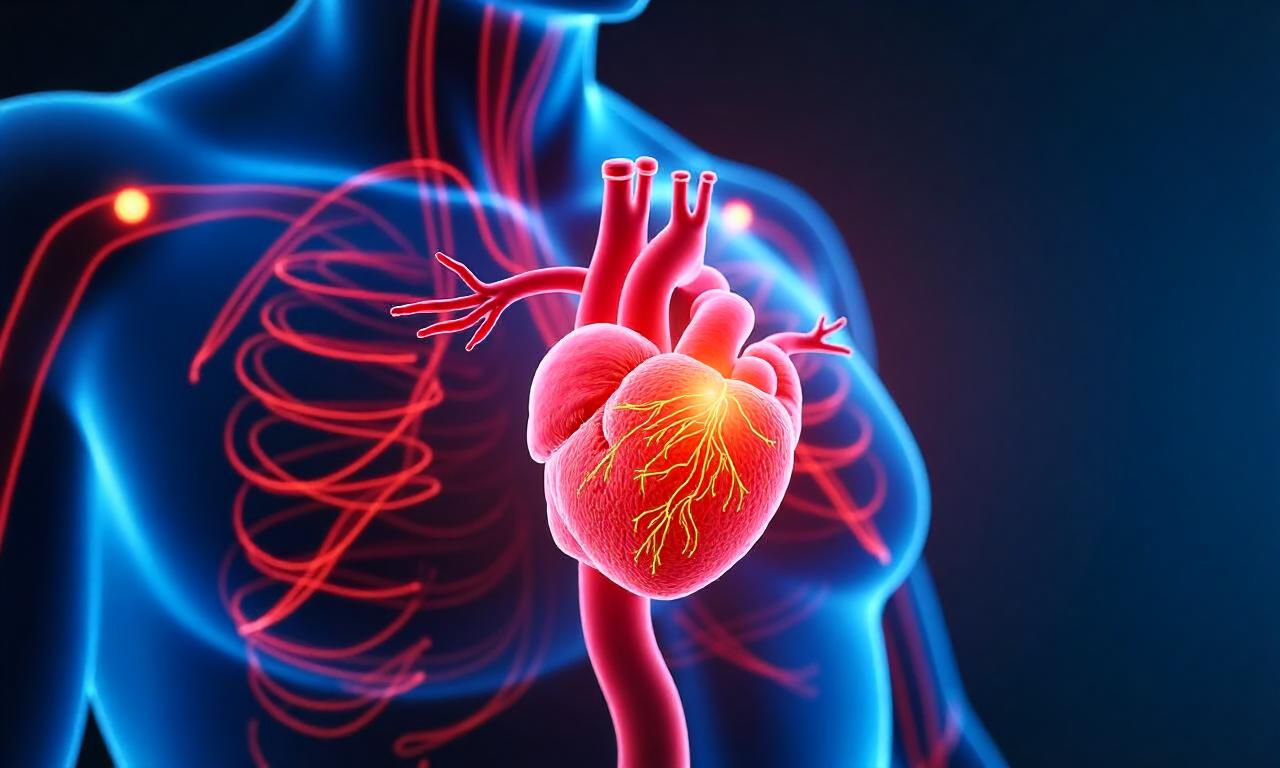
When lifestyle changes alone are insufficient, medications become a crucial part of the Best treatment for heart disease. These drugs are designed to manage symptoms, reduce risk factors, and prevent complications. Statins, for example, are commonly prescribed to lower cholesterol levels and decrease the risk of plaque buildup in arteries. They work by inhibiting an enzyme involved in cholesterol production, making them highly effective for patients with high LDL (“bad”) cholesterol. Beta-blockers are another class of medications that reduce heart rate and blood pressure, easing the workload on the heart and improving its efficiency. These drugs are often used after a heart attack to prevent future events and manage conditions like hypertension. ACE inhibitors and ARBs (Angiotensin Receptor Blockers) are prescribed to lower blood pressure and improve blood flow by relaxing blood vessels. Anticoagulants, such as aspirin or warfarin, are used to prevent blood clots and reduce the risk of strokes or heart attacks in patients with conditions like atrial fibrillation. Each medication comes with its own benefits and potential side effects, so patients should work closely with their healthcare providers to determine the most suitable option for their specific condition.
Types of Medications for Heart Disease
The types of medications used in heart disease treatment vary depending on the underlying condition and symptoms. For instance, diuretics are often prescribed to reduce fluid retention and lower blood pressure by helping the body eliminate excess sodium and water. These are particularly useful for patients with heart failure or hypertension. Nitrates are another category, used to relieve chest pain (angina) by dilating blood vessels and improving blood flow to the heart. They can be taken as pills or administered as sprays, offering flexibility in treatment. Calcium channel blockers are used to lower blood pressure and prevent angina, as they relax blood vessels and reduce the heart’s workload. For patients with arrhythmias (irregular heartbeats), antiarrhythmic drugs help regulate heart rhythm by affecting the electrical signals in the heart. These medications can be life-saving for individuals with severe arrhythmias. In some cases, combination therapy may be necessary, where multiple medications are used together to address different aspects of heart disease. This approach ensures a comprehensive treatment plan that targets both symptoms and underlying causes.
Medication Adherence and Monitoring
Maintaining medication adherence is essential for the success of any heart disease treatment. Patients who forget to take their medications regularly may experience a worsening of symptoms or an increased risk of complications. Regular monitoring by healthcare professionals helps track the effectiveness of these drugs and adjust dosages as needed. For example, cholesterol-lowering medications like statins require periodic blood tests to assess lipid levels and ensure they’re within a healthy range. Similarly, blood pressure medications need to be monitored for side effects and to confirm they’re achieving the desired results. Patients should also be aware of potential drug interactions, especially if they’re taking multiple medications or have other health conditions. Communication with healthcare providers is key to avoiding adverse effects and optimizing treatment outcomes. Additionally, patient education about the importance of taking medications as prescribed can significantly improve adherence and long-term health. These factors contribute to the Best treatment for heart disease, ensuring patients receive the maximum benefit from their therapeutic regimen.
Surgical Interventions: Advanced Options for Severe Cases
In more severe cases of heart disease, surgical interventions may be necessary to restore normal heart function and prevent life-threatening complications. These procedures are typically reserved for patients with blockages in coronary arteries, heart valve dysfunction, or severe heart failure. One of the most common surgeries is angioplasty, which involves widening narrowed arteries using a balloon catheter and sometimes placing a stent to keep the vessels open. This procedure is minimally invasive and often performed under local anesthesia, reducing recovery time and hospital stays. Coronary artery bypass grafting (CABG) is another major surgery used to redirect blood flow around blocked arteries, improving circulation and reducing the risk of heart attacks. It is particularly effective for patients with multiple blockages or complex heart conditions. Valve repair or replacement is essential for individuals with damaged heart valves, as it corrects abnormal blood flow and prevents complications like arrhythmias or heart failure. In addition to these, heart valve surgery can also involve minimally invasive techniques, such as transcatheter aortic valve implantation (TAVI), which reduces the risks associated with open-heart procedures. These surgical options represent a critical part of the Best treatment for heart disease, especially when other methods fail to provide adequate relief.
The Benefits and Risks of Heart Surgery
While heart surgery offers significant benefits, it also carries certain risks that patients must consider. Angioplasty is generally less invasive than CABG, but it may not be suitable for all patients, particularly those with complex coronary artery disease. The risk of restenosis (re-narrowing of the artery) is a common concern, though stents have improved long-term outcomes. Coronary artery bypass grafting (CABG) is highly effective for multi-vessel blockages, but it requires a longer recovery period and may involve surgical risks such as bleeding, infection, or adverse reactions to anesthesia. Valve repair or replacement is another life-changing procedure, especially for patients with severe aortic or mitral valve issues. The success of this surgery depends on the type of valve affected and the patient’s overall health. Minimally invasive techniques like TAVI have reduced the invasiveness of heart valve procedures, making them more accessible to older adults or those with high surgical risk. These surgeries are often the Best treatment for heart disease when lifestyle changes and medications are insufficient, offering a direct approach to resolving structural issues within the cardiovascular system.
Innovative Therapies: The Future of Heart Disease Treatment
As medical research progresses, innovative therapies are emerging as promising additions to the Best treatment for heart disease. These include regenerative medicine, gene therapy, and wearable technology for real-time monitoring. Stem cell therapy, for example, is being explored as a potential method to repair damaged heart tissue by stimulating the growth of new cardiac cells. This approach is especially beneficial for patients who have experienced a heart attack or are suffering from heart failure. Gene therapy targets the genetic factors that contribute to heart disease, such as mutations that increase the risk of high cholesterol or arrhythmias. By modifying faulty genes, this treatment can offer long-term relief from conditions that are difficult to manage with traditional methods. Wearable devices, such as smartwatches and fitness trackers, have also become valuable tools for monitoring heart health. These devices can track heart rate, blood pressure, and oxygen levels, allowing patients and doctors to detect early signs of complications. Additionally, minimally invasive procedures, like robotic-assisted surgeries, provide less trauma to the body and faster recovery times. These innovative therapies are shaping the future of heart disease treatment, offering new hope for patients seeking advanced care
