
Effective Tips for Overcoming Infectious Diseases
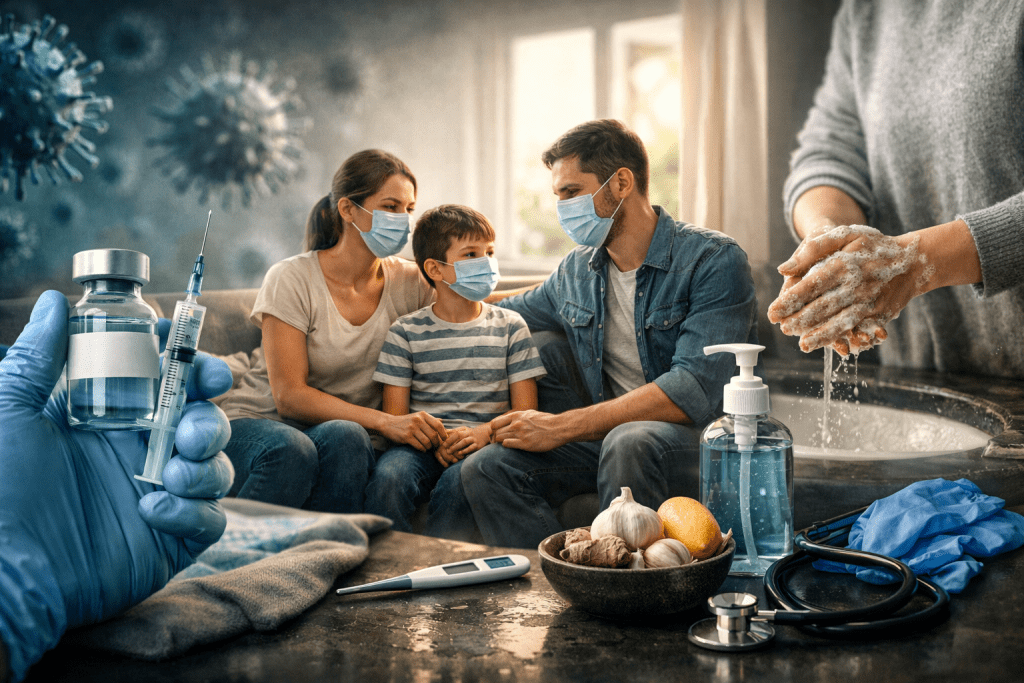
Infectious diseases remain a major global health concern, affecting millions of people each year. From common respiratory infections to more serious viral and bacterial illnesses, understanding Tips for overcoming infectious diseases is essential for protecting individual and public health. Effective management requires a combination of prevention, early detection, proper treatment, and lifestyle adjustments. This article provides practical, evidence-based guidance to reduce risk, support recovery, and strengthen long-term resilience.
Understanding Infectious Diseases and How They Spread
Infectious diseases are caused by pathogens such as bacteria, viruses, fungi, or parasites. These microorganisms enter the body, multiply, and interfere with normal biological processes. Some infections are mild and self-limiting, while others can become severe or life-threatening if not managed properly.
Transmission occurs in various ways, including airborne droplets, direct contact, contaminated food or water, and vector bites. Crowded environments, poor sanitation, and weakened immune systems increase susceptibility. Recognizing how diseases spread is the first step in implementing effective preventive strategies.
A key part of practical Tips for overcoming infectious diseases is minimizing exposure. Avoiding close contact with infected individuals and maintaining proper hygiene significantly reduces the risk of transmission. Prevention remains more effective and less costly than treatment.
Strengthening the Immune System Naturally
A strong immune system is the body’s primary defense against infection. While no method guarantees complete protection, certain lifestyle habits significantly improve immune function. Balanced nutrition, adequate sleep, and regular physical activity form the foundation of immune resilience.
Nutrient-rich foods containing vitamin C, vitamin D, zinc, and antioxidants help support immune responses. Fresh fruits, vegetables, lean proteins, and whole grains provide essential compounds that assist the body in fighting pathogens. Hydration is equally important, as fluids support cellular function and toxin elimination.
Sleep plays a critical role in immune regulation. Adults should aim for 7–9 hours of quality sleep per night. Chronic sleep deprivation impairs immune cell activity, increasing vulnerability to infections.
Stress management also influences immune health. Prolonged stress elevates cortisol levels, which can suppress immune responses. Practices such as structured breathing, moderate exercise, and time management contribute to overall immune stability.
Practicing Effective Hygiene and Preventive Measures
Hygiene remains one of the most powerful tools in overcoming infectious diseases. Regular handwashing with soap and water for at least 20 seconds removes pathogens before they enter the body. Alcohol-based sanitizers are effective when soap is unavailable.
Respiratory etiquette, such as covering coughs and sneezes, reduces airborne transmission. Wearing masks in high-risk environments may provide additional protection during outbreaks. Avoiding touching the face limits pathogen entry through the eyes, nose, and mouth.
Environmental cleanliness also plays a critical role. Frequently touched surfaces like door handles, phones, and workstations should be disinfected regularly. Proper food handling, including cooking at safe temperatures and avoiding cross-contamination, reduces the risk of foodborne illnesses.
Vaccination is a scientifically proven preventive strategy. Vaccines stimulate the immune system to recognize and combat specific pathogens without causing the disease itself. Incorporating vaccination into your overall Tips for overcoming infectious diseases strengthens both personal and community protection.
Early Detection and Timely Medical Intervention
Recognizing symptoms early improves outcomes and limits spread. Common signs of infection include fever, fatigue, cough, sore throat, gastrointestinal disturbances, or skin changes. Persistent or worsening symptoms require professional evaluation.
Prompt medical consultation ensures accurate diagnosis and appropriate treatment. Bacterial infections may require antibiotics, while viral infections often involve supportive care. Self-medicating without proper guidance can lead to complications or antimicrobial resistance.
Isolation during contagious phases protects others. Staying home when symptomatic prevents workplace and community outbreaks. Monitoring temperature and symptom progression helps determine when medical attention becomes urgent.
Timely intervention reduces complications. Delayed treatment increases the risk of severe outcomes, particularly for vulnerable populations such as children, elderly individuals, and those with chronic conditions. Structured action is central to effective Tips for overcoming infectious diseases.

Supporting Recovery and Preventing Relapse
Recovery does not end when symptoms disappear. Post-infection care ensures complete healing and reduces the likelihood of relapse. Adequate rest allows the body to repair damaged tissues and restore energy levels.
Nutrition during recovery should emphasize protein intake, micronutrients, and hydration. Light physical activity may be gradually reintroduced once strength returns. Overexertion too soon can prolong fatigue and delay recovery.
Completing prescribed medications is critical, even if symptoms improve early. Incomplete antibiotic courses contribute to resistant strains of bacteria. Following medical instructions precisely enhances long-term outcomes.
Follow-up evaluations may be necessary for severe infections. Monitoring for lingering symptoms such as persistent cough, weakness, or inflammation helps identify complications early. Structured follow-through is an essential component of sustainable Tips for overcoming infectious diseases.
Building Long-Term Protection Against Future Infections
Long-term resilience requires consistent preventive habits rather than reactive measures. Establishing daily hygiene routines, maintaining balanced nutrition, and scheduling regular health check-ups create ongoing protection.
Public health awareness also plays a role. Understanding seasonal patterns of influenza, dengue, or other regional diseases enables proactive precautions. Travel health planning, including required immunizations, reduces exposure risks.
Community responsibility strengthens collective defense. Responsible behavior during illness, including isolation and transparent communication, protects vulnerable populations. Coordinated action at individual and societal levels is necessary for controlling infectious threats.
Developing health literacy improves decision-making. Evaluating reliable medical information and avoiding misinformation prevents panic and harmful practices. Knowledge-based action defines effective and sustainable Tips for overcoming infectious diseases.
Conclusion
Overcoming infectious diseases requires a comprehensive approach that combines prevention, immune support, hygiene practices, early treatment, and responsible recovery. Consistent habits and informed decision-making reduce transmission risk and improve outcomes. By applying structured and evidence-based Tips for overcoming infectious diseases, individuals can protect themselves while contributing to broader public health stability.
FAQ
Q: What are the most effective daily habits to prevent infectious diseases? A: Regular handwashing, balanced nutrition, sufficient sleep, vaccination, and avoiding close contact with sick individuals are highly effective preventive habits.
Q: How does the immune system help in overcoming infections? A: The immune system identifies and eliminates pathogens through specialized cells and antibodies that target harmful microorganisms.
Q: When should someone seek medical attention for an infection? A: Medical care is necessary if symptoms are severe, persistent, worsening, or accompanied by high fever, breathing difficulty, or dehydration.
Q: Can lifestyle changes really reduce the risk of infectious diseases? A: Yes, proper nutrition, stress management, regular exercise, and adequate sleep significantly improve immune function and reduce susceptibility.
Q: Why is completing prescribed medication important? A: Completing medication prevents recurrence and reduces the development of antimicrobial resistance, ensuring effective long-term treatment.
