
Are the US and Iran on a collision course for war or a surprise deal?
Are the US and Iran on a collision course for war or a surprise deal?
The US military buildup near Iran signifies the most significant regional deployment since the 2003 Iraq invasion. With the USS Gerald R Ford, the world’s largest supercarrier, now operating in the Mediterranean Sea and preparing to join the fleet, the most striking detail is the sudden influx of six E-3 Sentry AWACS aircraft—nearly 40 percent of the US total stockpile.
These airborne surveillance systems offer critical over-the-horizon radar capabilities, vital for managing air defenses against potential Iranian retaliation. The sheer number deployed signals Washington’s readiness for a broader campaign and its anticipation of Tehran’s response.
Despite his historical skepticism of interventionist policies, Trump’s May 2025 speech in Riyadh underscored his resolve to act decisively. His economic strategy faces a major risk if hostilities escalate, as analysts warn a conflict could send oil prices soaring between $90 and $200 per barrel. Trump’s push for an Israeli ceasefire in Gaza further hints at a desire to reduce regional tensions rather than provoke a new war.
A Battle for Credibility
Yet, forces may drive Trump toward a bold move. Neutralizing the Iranian regime could be his key to reshaping the Middle East, aiming to dismantle the “axis of resistance” and establish a new order led by Washington, Tel Aviv, and Riyadh.
“Otherwise, bad things happen,” he added.
Trump’s warning that Tehran had only 10 to 15 days to secure a “meaningful deal” has placed the administration in a tight spot. If negotiations stall, retreating could undermine his image as an unyielding leader.
Domestic Pressures and Regional Dynamics
Domestically, the US Supreme Court’s 6-3 ruling on Trump’s use of emergency powers to enforce global tariffs dealt a blow to his economic vision. Seeking to counter this setback, he may lean on a military triumph to restore his standing.
“I don’t want to use the word ‘capitulated’ … but why they haven’t capitulated,” Witkoff said.
In Iran, the leadership grapples with a populace discontent after January’s widespread protests were brutally suppressed. Human rights groups report thousands of detainees remain in custody, with unrest worsened by US and Israeli efforts to inflame opposition to the regime. The economic crisis, exacerbated by sanctions and mismanagement, has driven food inflation into triple digits, with the free-market exchange rate reflecting the nation’s turmoil.
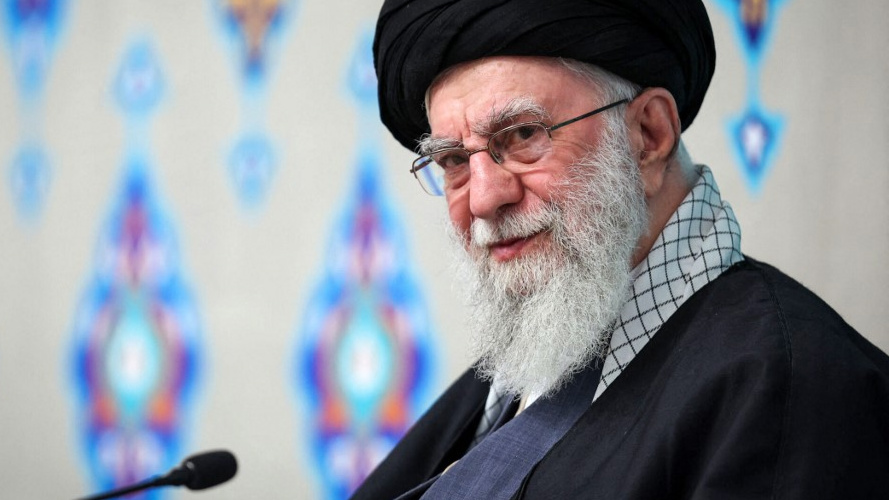
Khamenei’s grip on power hinges on ideological unity, but the specter of domestic collapse looms. While the Iranian government may seek compromise to avert conflict, its defiance underscores the high stakes of this precarious standoff.
