
Tehran IVF clinic devastated by US-Israeli attack as hospitals and homes hit
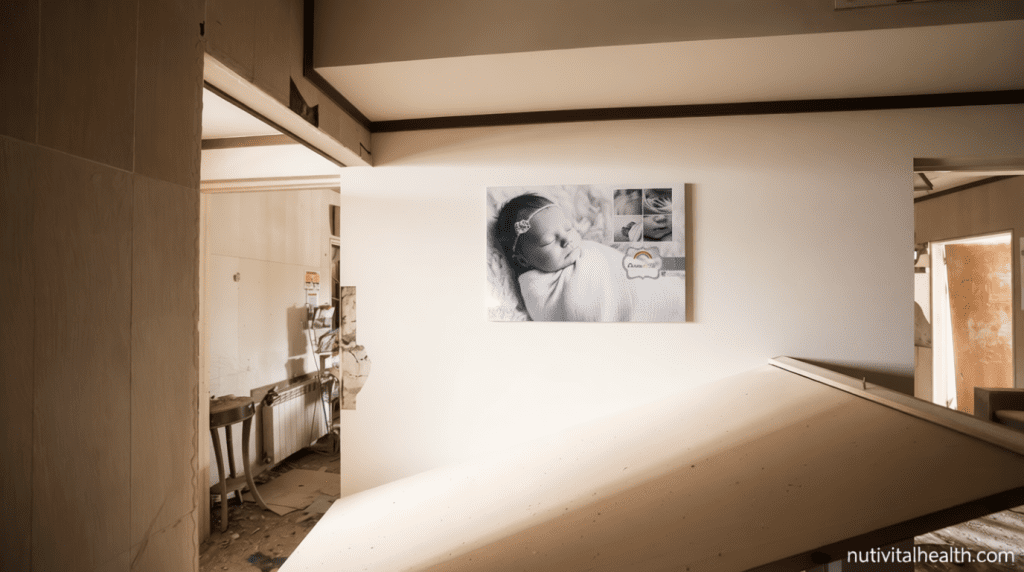
Tehran IVF clinic devastated by US-Israeli attack as hospitals and homes hit
Mohsen and Firouzeh, after years of attempts, sought assistance at a Tehran-based IVF clinic affiliated with Gandhi hospital. Their journey toward parenthood had been arduous, but the clinic offered a glimmer of optimism.
“The hospital staff worked so hard to help us,” Mohsen says. “After 10 years of trying, we finally had hope.”
On the second day of a relentless US-Israeli aerial assault on Iran, a strike struck the prominent hospital, inflicting “very serious damage” on its fertility wing. The attack left one employee with critical injuries, including cerebral bleeding, requiring immediate surgery.
“Now, after hearing about the attack on the IVF section, we feel like we are losing our minds,” Firouzeh says. “We don’t know what has happened. We don’t know what happened to our samples. We don’t know if all these years of effort and hope are gone.”
Iranians interviewed by Middle East Eye, including Mohsen and Firouzeh, share only their first names due to ongoing security concerns. Despite the U.S. and Israel framing their strikes as targeting Iran’s leadership, military, and nuclear sites, the civilian impact has been undeniable.
Reports indicate that the attacks have ravaged over 150 cities, with the Red Crescent Society confirming at least 787 casualties. Residential areas, hospitals, and even a primary school have suffered severe destruction, including the loss of 150 girls aged seven to twelve.
Negin, who resides in the Shariati neighborhood, recounted witnessing an air strike obliterate a nearby Army hospital. “I saw things that I would never have believed if I hadn’t seen them myself,” she told Middle East Eye. “Two streets above our home are the Joint Staff headquarters and the Revolutionary Court. They hit that area,” she added, “but many residential buildings on the same street were entirely reduced to rubble.”
Iran’s Medical Council head, Mohammad Raiszadeh, highlighted the toll on medical facilities. “The U.S. and Israel have struck at least 10 medical centers,” he said, drawing comparisons to Israel’s attacks during its Gaza campaign. “They showed during the Gaza tragedy that they cannot stop assaults on hospitals and medical centres,” he noted, expressing skepticism about international reactions.
While the Israeli military claimed “minor and collateral damage” to Gandhi hospital, staff members described a different reality. Salmaz, a nurse on duty during the blast, recalled the chaos. “We were working as usual when a loud explosion shook the building,” she said. “The force threw me into the corner of my office. The building caught fire. Everyone was screaming and fleeing.”
“In those terrible moments, we were just trying to save the babies,” Salmaz says. “I have never seen anything like this in my life. Only in movies.”
Further destruction has spread across Tehran, including Niloufar Square. Mohammadali, a 32-year-old worker at an advertising firm on Motahari Street, described the devastation. “Our office was destroyed in an air strike,” he said. “A young colleague was seriously wounded and taken to the hospital. Her condition is critical.”
“Israel keeps saying it only targets military sites,” Mohammadali added. “Our company creates content for small businesses. What does that have to do with the government or Revolutionary Guard? They destroyed our office, and one of our colleagues is now fighting for her life.”
Golestan Palace, a UNESCO World Heritage Site, also bore the brunt of the strikes. As the conflict continues, the human and structural toll underscores the broader consequences of the ongoing bombardment.
