
Charting the US-Israel war with Iran
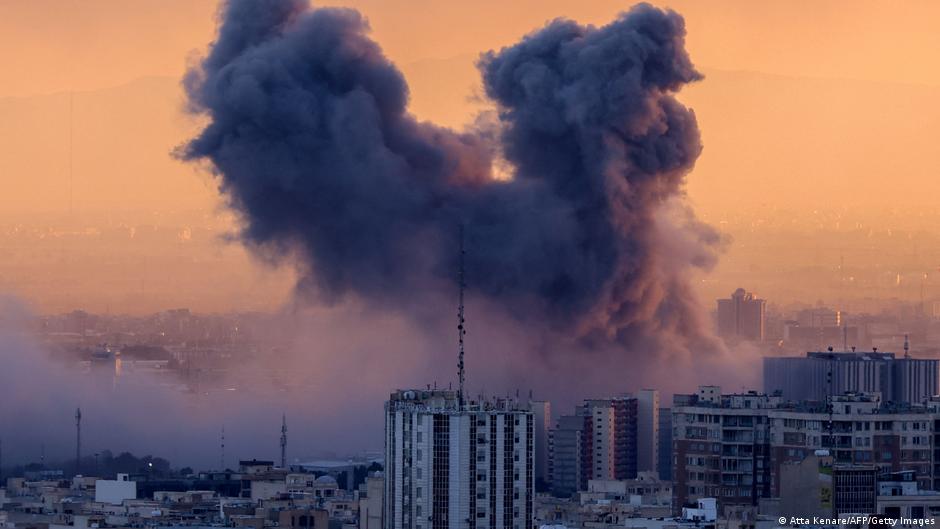
US-Israel Strikes Against Iran
The joint US-Israeli assaults on Iran have intensified Middle Eastern hostilities. A visual overview of the conflict and its implications is provided through maps and data. After prolonged talks between US and Iranian diplomats regarding the nuclear program, the two nations launched synchronized operations named “Epic Fury” and “Roaring Lion” on February 28. These strikes aimed to disrupt Iranian infrastructure, as outlined in a series of charts and location-based analyses.
Attack Operations and Immediate Impact
Targeted strikes hit multiple military installations and government sites, according to satellite evidence. The residence of Supreme Leader Ayatollah Ali Khamenei suffered severe damage, and he was among the casualties. In Kermanshah, images depict destruction at a missile complex, with access to an underground facility near Kangavar reportedly severed. As attacks continue, Tehran has responded with retaliatory strikes against Israel and its allies.
“Most of the people we had in mind are dead,” claimed US President Donald Trump during a meeting with German Chancellor Friedrich Merz in the White House on March 3. He asserted that the assaults had eliminated key Iranian figures, including potential successors to the leadership.
Leadership Transition in Iran
Khamenei’s death has left a leadership gap. The interim council now includes President Masoud Pezeshkian, Chief Justice Gholamhossein Mohseni-Ejei, and Alireza Arafi. Under the constitution, the Assembly of Experts, composed of 88 clerics, is tasked with selecting a new leader. Despite the loss of top officials, Iran’s political structure remains stable, with Ali Larijani, the head of national security, stepping into the leadership vacuum.
Casualty Reports Across the Region
Death tolls vary significantly across affected areas. Iran’s casualties are estimated between 500 and over 800, while neighboring Gulf nations like Oman, Iraq, Bahrain, the UAE, and Kuwait report fewer than 10 fatalities. Lebanon sees losses ranging from 10 to 50. Six US troops perished in a strike on a Kuwaiti air base, and Israel reported 11 casualties. The Israeli military emphasized that Iran still holds considerable missile-launching capabilities, though ongoing strikes aim to weaken them.
“We will continue to strike missile launchers and reduce the firing, but the regime still has significant capacity,” stated Brigadier General Effie Defrin during a televised briefing. “Our defense is not impenetrable.” The military also confirmed targeting a facility in Isfahan, critical for storing and launching ballistic missiles, including Ghadr models.
Duration and Strategic Goals
Trump initially projected the conflict to last four to five weeks but pledged readiness for an extended campaign. The stated objective was to dismantle the Iranian nuclear program permanently. The attacks began on Saturday, with Trump urging Iranians to “take over your government” after the bombardment, signaling a broader political strategy.
