
2 ‘Lazarus’ animals thought to be extinct for over 7,000 years found alive in New Guinea
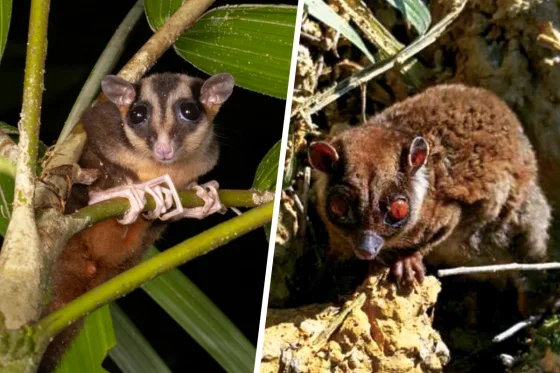
2 ‘Lazarus’ Animals Believed Extinct for Over 7,000 Years Rediscovered in New Guinea
The Bishop Museum in Honolulu revealed the surprising survival of two marsupial species, once thought lost to history and only known through fossils, after collaborative efforts with indigenous groups and amateur researchers. These animals, the pygmy long-fingered possum and the ring-tailed glider, were confirmed alive in New Guinea—a finding that redefines their status as “Lazarus species,” organisms that resurface after being presumed extinct for millennia.
Dr. Kristofer Helgen, a researcher at the Bishop Museum, expressed excitement over the rediscovery. “To be able to say they indeed are alive brings me joy as a scientist and conservationist. It feels like a second chance to learn about and protect these remarkable animals,” he shared in a press release. Helgen and Dr. Tim Flannery of the Australian Museum spent two years verifying the animals’ existence, relying on both scientific analysis and local knowledge.
“The discovery of two Lazarus species, thought to be extinct for millennia, is unprecedented,” said Dr. Tim Flannery, emphasizing the significance of the find.
Historically, the species were first identified as fossils in the 1990s when their teeth were unearthed during an archaeological project in western New Guinea. Dr. Ken Aplin’s work uncovered these remains, but their survival in the wild remained unproven until recent breakthroughs. Helgen’s recognition of a wild glider image helped confirm the ring-tailed glider’s existence, while two specimens in a jar at the University of Papua New Guinea hinted at the pygmy long-fingered possum’s recent presence.
Local communities in Tambrauw and Maybrat regions of West Papua played a vital role, sharing insights about the marsupials’ distinctive behaviors. Meanwhile, citizen scientists contributed critical evidence. Carlos Bocos, a co-author of the study, uploaded photos of the pygmy long-fingered possum to iNaturalist, a global platform for natural science observations. This effort led to the confirmation of the animal’s survival, offering a testament to the power of public participation in scientific discovery.
Helgen highlighted the broader implications of the rediscovery, stating, “It’s a message of hope, one of second chances.” The findings challenge assumptions about extinction and underscore the importance of continued exploration and conservation efforts.
