
By allowing Israel to bomb Iran, Trump is pushing Tehran to go nuclear
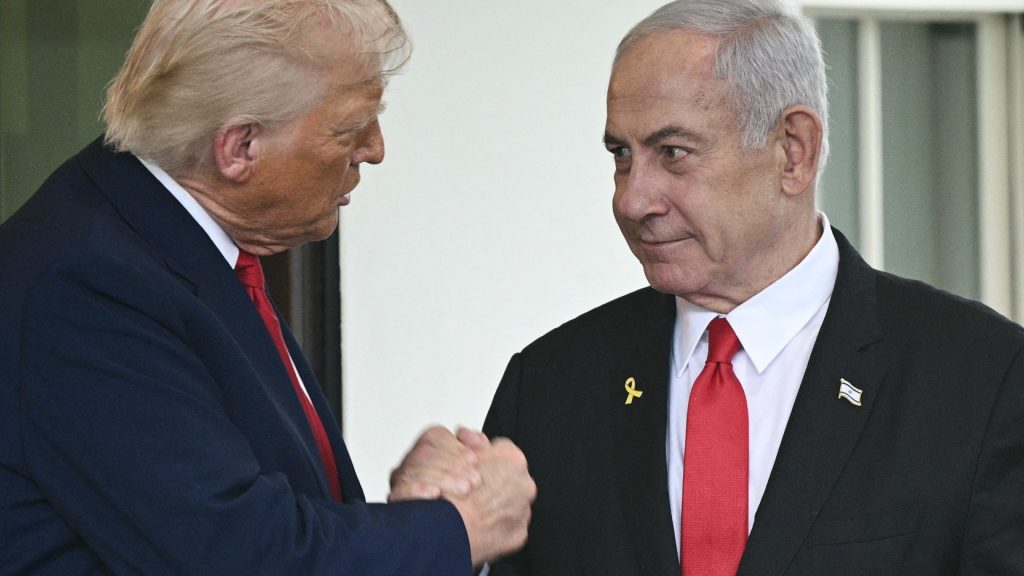
By allowing Israel to bomb Iran, Trump is pushing Tehran to go nuclear
Donald Trump’s decision to let Israel strike Iran marks the most significant strategic error by a U.S. president since George W. Bush’s invasion of Iraq. The move has the potential to ignite a broader conflict, echoing the disastrous consequences of the 2003 war. That conflict claimed at least 655,000 lives, according to The Lancet, gave rise to the extremist Islamic State group, and nearly dismantled a major regional power, which remains in recovery after 14 years of turmoil.
Trump’s recent action risks surpassing even that level of devastation. By enabling Israeli Prime Minister Benjamin Netanyahu to launch an attack during ongoing diplomatic talks with Iran, the U.S. has aligned itself with the tactics of criminal syndicates. The president’s team now appears as reckless as Al Capone or Joaquin “El Chapo” Guzman, undermining America’s role as a global leader.
Behaving like a drug cartel, the administration has orchestrated a deception that leaves allies questioning its reliability. With Iran’s leadership now aware of the U.S.’s shifting priorities, trust in American assurances may be irreparably damaged. This erosion of credibility is critical for a nation once seen as a stabilizing force.
“Iran must make a deal, before there is nothing left, and save what was once known as the Iranian Empire. No more death, no more destruction, JUST DO IT, BEFORE IT IS TOO LATE. God Bless You All!”
Trump’s impassioned plea, posted on Truth Social, contrasts sharply with the calculated sabotage he had just enabled. The message rings hollow, especially for a country with a 92-million-strong population and millennia of historical resilience.
Trump’s gamble overlooks Iran’s enduring scars from past aggression. The Islamic Republic’s resolve was forged during the Iran-Iraq War, a brutal eight-year conflict that saw Saddam Hussein’s regime, backed by Western allies, unleash chemical weapons on Kurdish civilians in Halabja. The U.S. and Europe turned a blind eye to these atrocities, even as the toll on Iranian society was immense.
As the war escalated, Reagan-era officials like Donald Rumsfeld cemented American support for Saddam, prioritizing Gulf oil interests over human suffering. National Security Decision Directive 114, issued in November 1983, formalized this stance, declaring the U.S. intent on shielding its military and energy assets—regardless of the devastation inflicted on Iran.
Iran’s post-revolutionary state was fragile in 1980, with Ayatollah Ruhollah Khomeini still navigating chaos. The nation’s armed forces, including the newly established Islamic Revolutionary Guards Corps, were poorly equipped. Weapons were passed from fallen soldiers to their comrades, a stark reflection of the war’s toll.
Despite initial Iraqi advances, the conflict ultimately became a crucible for Iran’s resilience. The memory of chemical attacks, which veterans still endure, solidified the country’s determination to build a network of militant groups as a defensive strategy. This legacy of survival now appears to be at risk under Trump’s leadership.
