
Can the US sustain its war in Iran?
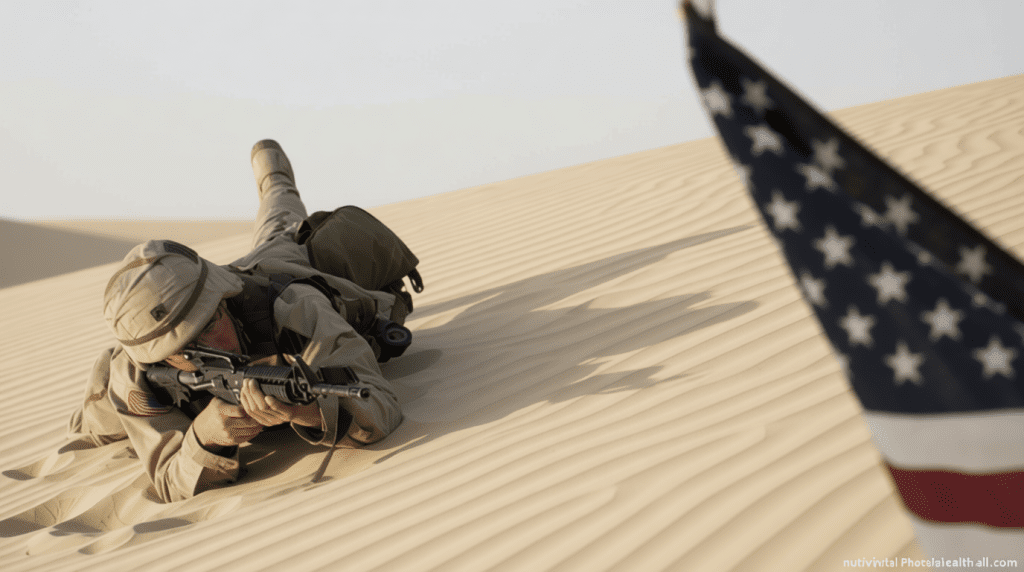
Can the US sustain its war in Iran?
Operation Epic Fury and the Initial Strikes
On February 28, the United States initiated “Operation Epic Fury” against Iran. In the days that followed, thousands of attacks were launched across the country, involving over 20 weapon systems across air, land, and sea. During the first wave of strikes, Iran’s supreme leader, Ali Khamenei, was reportedly killed. The scale of the operation raised questions about the U.S. military’s long-term capacity.
Trump claimed the U.S. possesses a “virtually unlimited” supply of arms, while Defense Secretary Pete Hegseth assured that stockpiles of both offensive and defensive weapons allow for sustained campaigns. “We’ve got no shortage of munitions,” Hegseth stated during a visit to US Central Command. General Dan Caine, chair of the Joint Chiefs of Staff, echoed this sentiment: “We have sufficient precision munitions for the task at hand, both on the offense and defense.” However, the reality of supply constraints has sparked debate.
The Cost of Sustaining the Conflict
The financial aspect of the war has become a point of concern. Iran’s Shahed 136 drones, costing $20,000 to $50,000 each, are being countered by U.S. forces using more expensive options. Fighter jets armed with AIM-9 missiles, for instance, cost $450,000, with hourly operational expenses reaching $40,000. Kelly Grieco of the Stimson Center highlighted the inefficiency: “The cost of operating the fighter for an hour is equivalent to the cost of a Shahed. It’s not efficient. It’s not a favorable cost exchange.”
Grieco emphasized that high-grade weapons, such as long-range interceptors, are critical but limited in supply. “There are real limitations on stockpiles there,” she noted. These advanced systems, essential for neutralizing Iran’s ballistic missiles, are being used at an alarming rate. Mark Cancian of the Center for Strategic and International Studies estimated that Patriot missiles—priced around $3 million each—have already seen significant depletion. “At the beginning, I think there were about 1,000 Patriots, and we’ve chewed into that inventory quite a bit now,” he said.
Production Increases and Strategic Adjustments
On March 6, Trump met with defense manufacturers, announcing plans to boost production of top-tier weapons. “Manufacturers had agreed to quadruple output,” he posted on Truth Social. The White House stated the meeting had been planned for weeks, but Grieco questioned the urgency of the announcement. “I found that to be like a non-announcement because in the last months most of these had already been announced,” she remarked.
Lockheed Martin’s commitment to increase Patriot PAC-3 production from 600 to 2,000 per year has been public. Cancian noted that the delivery of 620 interceptors in 2025 highlights the time lag in manufacturing. “If you went to the company today and said I want to buy one more Patriot, it would take at least two years for that Patriot to show up,” he explained. Despite this, lower-cost weapons like bombs and Hellfire missiles remain abundant, offering a more sustainable option for prolonged engagement.
To view this video, enable JavaScript and upgrade to a web browser that supports HTML5 video.
Assessing the Long-Term Viability
While the U.S. boasts strong reserves in certain weapon categories, the depletion of high-grade systems raises doubts about the war’s sustainability. Trump’s projection of a four-to-five-week conflict contrasts with the administration’s readiness to extend operations. However, the financial and logistical challenges suggest that maintaining such a campaign may require more than just confidence in stockpiles. As Grieco pointed out, the U.S. has tested alternative technologies but hasn’t scaled up procurement. “The United States has tested [that technology], it just hasn’t purchased it in sufficient numbers,” she said.
Ultimately, the ability to sustain the war hinges on production rates, resource allocation, and strategic priorities. The current focus on high-end missiles may leave the U.S. vulnerable if the conflict drags on.
