
Iran vows to fight on in first message issued in name of Mojtaba Khamenei
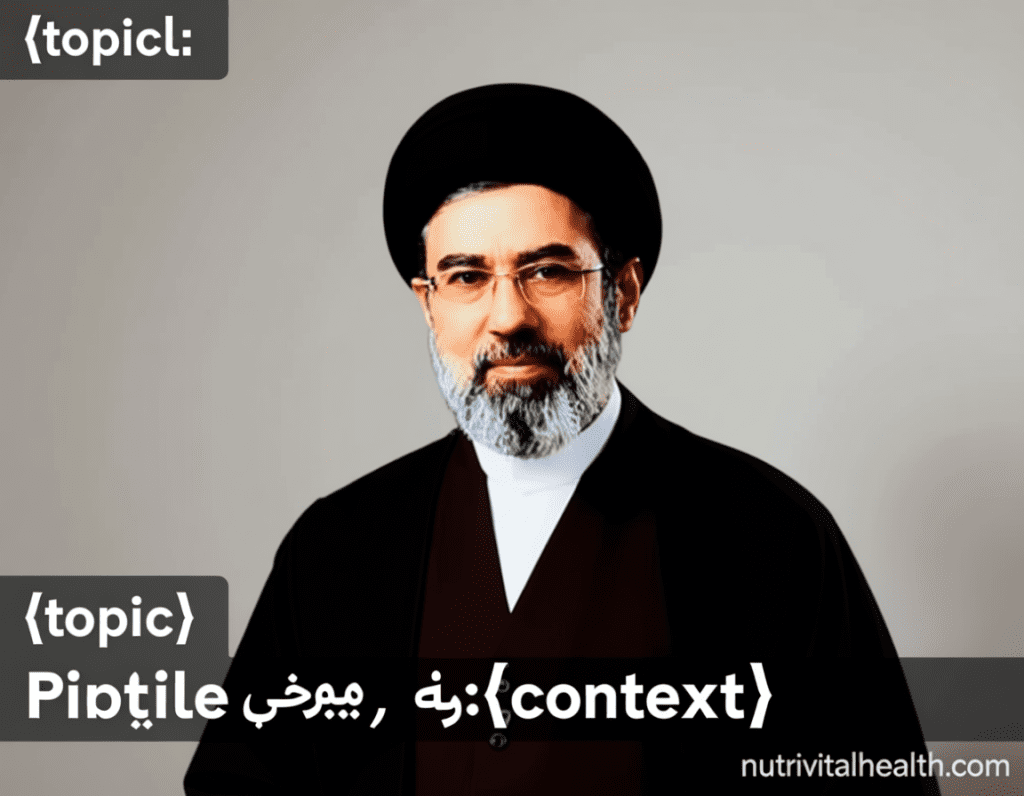
Iran vows to fight on in first message issued in name of Mojtaba Khamenei
On Thursday, Iran released its inaugural statement from the new supreme leader, Mojtaba Khamenei, declaring the strait of Hormuz remains closed and reaffirming attacks on US military installations in the region. The declaration was broadcast via state television rather than delivered live, sparking scrutiny over its authenticity amid lingering concerns about Khamenei’s health. His father, Ayatollah Ali Khamenei, was killed in an attack during the US-Israeli operation’s opening day, and the message is expected to offer early insights into the leadership style of the previously low-profile successor.
Within the statement, Khamenei emphasized the need for the US to reimburse Iran for damages caused by its military actions. He warned that if Washington declined to compensate, it would face losses equivalent to the amount owed. The speech also called for national unity, urging factions to set aside differences and maintain solidarity during crises. “There must be no harm to the unity of the nation among its individuals and groups,” he stated, noting that such unity becomes especially visible in times of adversity.
Khamenei praised the Iranian people for their resilience against foreign aggression, highlighting their role in bolstering the country’s stance. He also lauded allies like the Houthis in Yemen and Hezbollah in Lebanon for supporting Iran despite challenges. While the Houthis have not yet participated in the conflict, their collaboration was acknowledged. The leader vowed to avenge the “blood of your martyrs,” including the 175 victims of a missile strike on a Minab elementary school, which a US investigation linked to Washington.
Addressing relations with Gulf neighbors, Khamenei accused the US of establishing military and financial footholds in the region to ensure dominance. “Some bases were used in the recent attack,” he said, clarifying that Tehran targeted only those facilities without aggression toward the host nations. He urged Gulf states to “clarify their stance toward the aggressors of our homeland” and advised them to close US bases, arguing that America’s promises of security were deceptive.
Unlike Iran’s president, Masoud Pezeshkian, who had recently expressed regret for the damage to Gulf nations, Khamenei denied any intent to colonize or dominate the region. He claimed the Gulf leaders would grow stronger by distancing themselves from Washington. Khamenei shared that he learned of his appointment through television and admitted the responsibility was daunting. He also revealed that he had visited his father’s body, though no funeral date has been announced.
“The masses want Iran to persist on its path,” Khamenei stated. “Certainly, the leverage of blocking the strait of Hormuz must continue to be used. Studies have been made about opening other fronts where the enemy has little experience and will be severely vulnerable.”
Khamenei’s remarks included personal tributes to those lost in the US-Israeli strike, listing his father, wife, sister, and child among the “caravan of martyrs.” His emotional tone underscored the personal stakes of the leadership transition, as he sought to reassure the public of his commitment to the country’s cause.
