Mexico City Implements Alcohol Sales Ban for Upcoming World Cup Clash
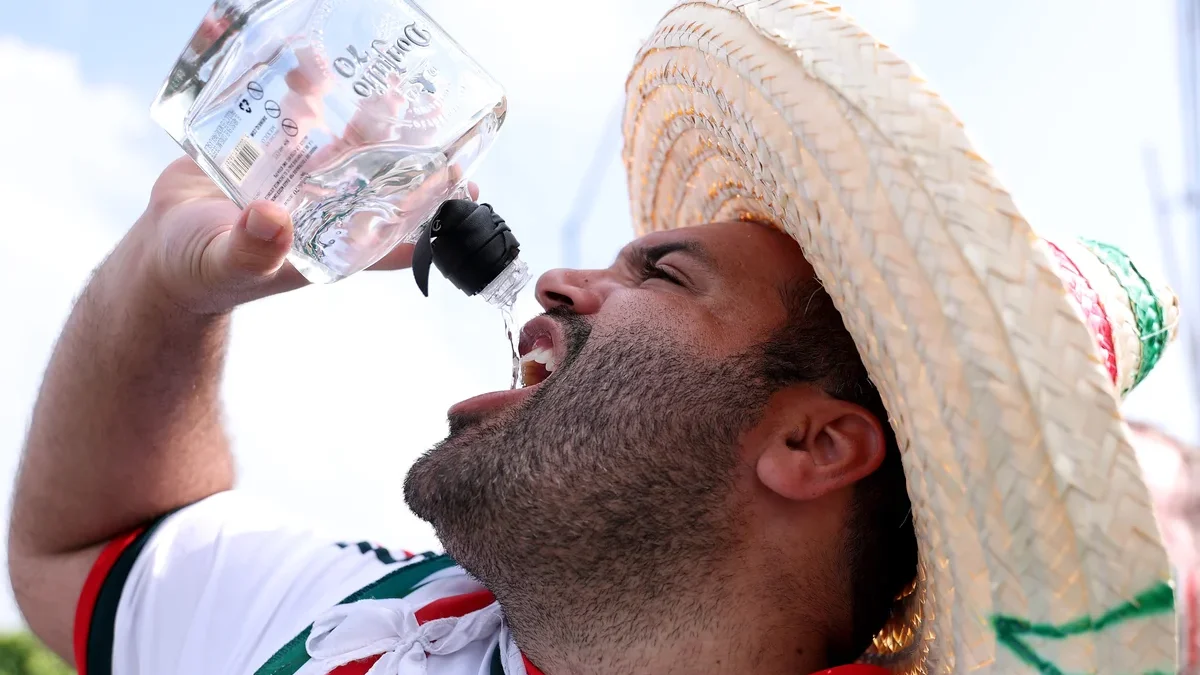
Mexico City bans alcohol sales ahead – In preparation for the upcoming World Cup showdown, Mexico City officials have imposed a temporary restriction on alcohol sales. The measure, which takes effect ahead of Wednesday’s match between Mexico and the Czech Republic, aims to curb the chaotic behavior seen during previous celebrations. This decision follows a surge in public drinking and environmental concerns that emerged after the nation’s recent victory over South Korea, securing their place in the tournament’s knockout phase.
Scope of the Ban
The prohibition will apply to several districts across the capital, including the historic downtown and adjacent boroughs. While bars and restaurants will remain open, convenience stores, grocery shops, and supermarkets are among the venues affected. This includes popular spots like the Zona Rosa entertainment district and Reforma Avenue, a central thoroughfare where fans often gather to cheer for their team. The ban spans from 3 p.m. on Wednesday to 7 a.m. on Thursday, covering the 7 p.m. kickoff at the Mexico City Stadium.
Authorities have emphasized that the restriction is not a complete ban on alcohol but a targeted effort to reduce the impact of mass gatherings. The decision aligns with Mexico’s existing laws on open-air drinking, which have already required permits for large-scale events. However, the recent scale of celebration—drawing over 700,000 attendees to the city center—prompted stricter enforcement measures.
Context of the Celebrations
Last week’s match against South Korea marked a turning point for Mexico’s campaign, and the victory was met with unprecedented enthusiasm. Thousands of supporters flooded the capital, transforming the historic center into a festive hub. Despite persistent rain, the energy of the crowd was palpable, with fans donning green jerseys, waving flags, and singing national anthems. The celebrations extended far beyond the stadium, creating a vibrant atmosphere that lasted well into the night.
According to city officials, the ban is a direct response to the littering and public disorder that followed the match. Over 40 metric tons of waste were collected in the days after the game, highlighting the environmental toll of such events. “The volume of trash generated by fans was overwhelming,” said a statement from the municipal government. “This step is necessary to ensure cleanliness and safety during the high-stakes match.”
Public Reaction and Logistics
While the ban has sparked mixed reactions, many residents support the move. “It’s about keeping the city manageable,” said one local. “Without the extra crowds, it’s easier to focus on the game.” However, some vendors have expressed concern about the loss of revenue. “We’re used to selling beer in the streets, but this is a temporary inconvenience,” noted a supermarket manager. “It’s for the greater good.”
Logistically, the ban will require police and municipal workers to monitor compliance. Enforceable fines are in place for violations, and authorities have deployed additional patrols to ensure the restrictions are followed. The timing of the ban—starting at 3 p.m. on Wednesday—was chosen to address the peak hours of celebration while allowing for the sale of beverages during the day. This approach balances the need for order with the cultural significance of football in the country.
Historical Precedents and Future Implications
Mexico City’s decision mirrors similar actions taken in other cities during major sporting events. In 2018, for instance, the capital had restricted alcohol sales during the FIFA World Cup to manage noise and traffic. This year’s ban, however, is more extensive, covering a broader geographic area. “We’ve learned from past experiences,” said a spokesperson. “The key is to anticipate challenges and act proactively.”
The move also reflects a growing awareness of the environmental and social costs of large-scale events. With climate change concerns and urban sustainability goals at the forefront of public discourse, the city’s leadership is balancing tradition with modern challenges. “Football brings people together, but we must also protect our environment and infrastructure,” the official added.
Preparing for the Match
As the date of the match approaches, organizers are working to ensure smooth operations. Transportation services have been adjusted to accommodate increased foot traffic, and public spaces are being cleaned in anticipation of the event. Security measures have also been ramped up, with a focus on preventing incidents that could disrupt the game or harm fans.
For supporters, the ban means a shift in how they celebrate. “We’ll have to be more organized,” said a fan. “Maybe we’ll bring our own drinks or find alternatives.” Despite the inconvenience, the promise of a high-quality match and the chance to cheer for their team has kept enthusiasm high. “It’s all worth it for the game,” he added.
City officials are also encouraging responsible drinking. “We want fans to enjoy the match without compromising safety or the city’s cleanliness,” said one representative. “This is a reminder of the importance of moderation.” The ban is expected to reduce the volume of trash collected by half, as previous events had generated nearly 40 metric tons of waste. This target underscores the city’s commitment to managing the environmental impact of football festivities.
Cultural Significance and Challenges
Football is more than a sport in Mexico; it is a unifying force that brings the nation together. The recent match against South Korea, which ended with a dramatic 3-2 victory, has reignited a sense of pride among citizens. However, the logistics of hosting such events