
NASA announces new Mars mission, reshapes goals on the moon
NASA’s Lunar Ambitions Shift Focus with New Mars Initiative
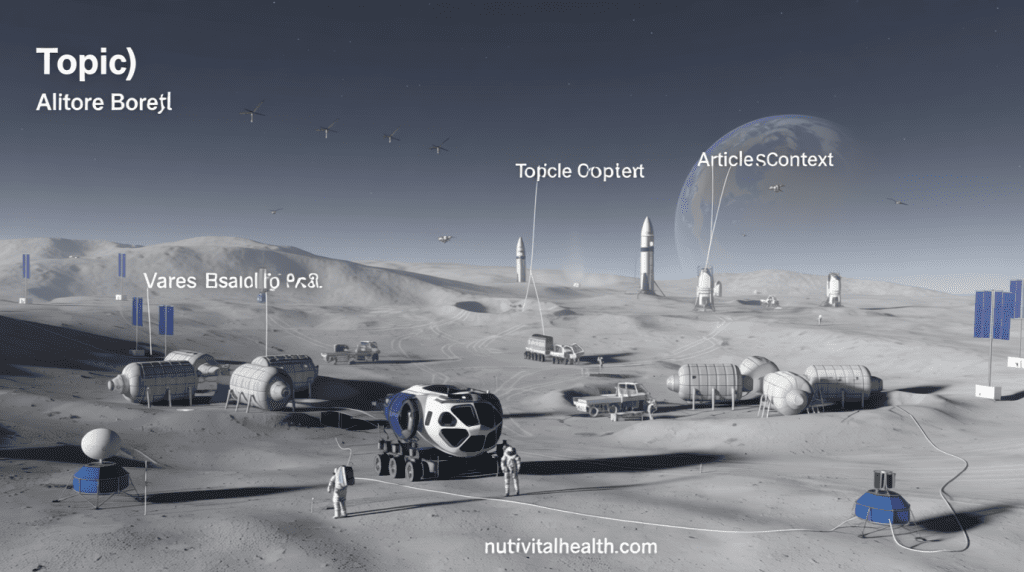
In a bold move, NASA’s leadership has redefined its space priorities, revealing updated objectives during a Tuesday gathering in Washington, D.C. The agency’s new director, Jared Isaacman, emphasized a renewed commitment to lunar exploration, with a moon base emerging as a central goal. This marks the first public outline of a timeline for establishing a long-term human presence on the moon, following years of conceptual planning.
Isaacman highlighted that the moon base will require sustained effort, noting, “We will invest approximately $20 billion over the next seven years and build it through dozens of missions.” While the International Space Station’s retirement is approaching, the U.S. faces uncertainty in how much of this funding will come from existing projects versus new allocations. Some initiatives, like a nuclear-powered Mars vehicle, have stricter deadlines, aiming for a 2028 launch.
A New Vision for Lunar Exploration
NASA’s moon base strategy now prioritizes repurposing resources, including delaying the development of the Gateway space station. Originally designed as a hub for lunar and deep-space missions, Gateway will instead support the construction of the base. “Significant parts of exiting Gateway hardware and facilities can be directly repurposed to support near-term exploration objectives,” explained Carlos Garcia-Galan, the Moon Base program executive.
The agency plans to significantly expand robotic lander operations, targeting monthly deliveries of cargo and scientific equipment. Since January 2024, four landers have been sent to the moon, with mixed results. This increased frequency will complement crewed Artemis missions, which aim to return humans to the lunar surface by early 2028. The first Artemis II flight, scheduled for April 1, will orbit the moon without landing.
Mars as a Strategic Priority
Isaacman’s vision also includes a new Mars vehicle, powered by nuclear technology, set for 2028. This ambitious timeline contrasts with typical space project schedules, underscoring the administration’s focus on accelerated progress. The plan seeks to streamline contracts and redefine infrastructure use, particularly as Gateway’s role evolves.
“If we concentrate NASA’s extraordinary resources on the objectives of the National Space Policy, clear away needless obstacles, and unleash the workforce and industrial might of our nation and partners,” Isaacman stated, “then returning to the moon and building a base will seem pale in comparison to what we will be capable of accomplishing in the years ahead.”
Isaacman has also vowed to avoid past delays, holding contractors accountable for performance. This includes oversight of the Orion crew capsule and Space Launch System rocket, which were previously criticized for underdelivering on promises. His approach signals a push for efficiency and transformative progress in space exploration.
