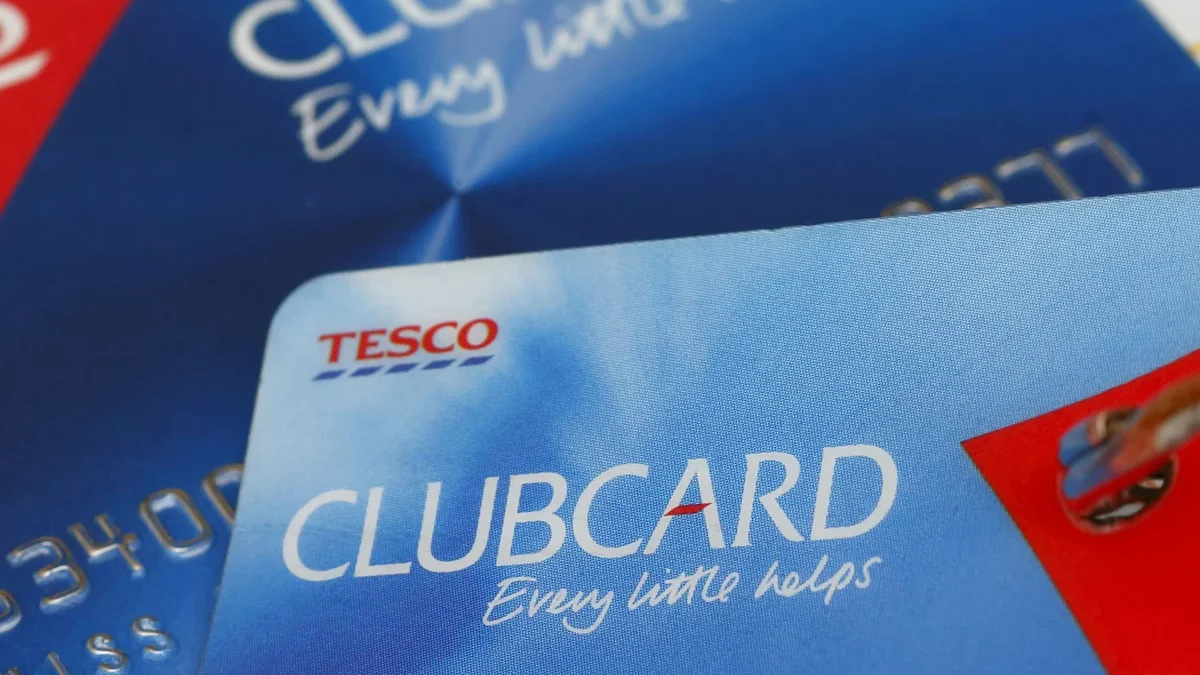
Tesco Launches Teenage-Focused Clubcard to Offer Discounted Pricing
Tesco launches new Clubcard for teenagers – Tesco, the UK’s largest supermarket chain, has unveiled a tailored loyalty program designed specifically for teenagers aged 16 and 17, allowing them to access exclusive savings and reward points for the first time. This move aims to engage younger consumers and integrate them into the company’s long-standing customer loyalty framework. The new initiative introduces a digital-only version of the Clubcard, which is accessible through the Tesco app or its official website, marking a shift toward modern, tech-driven incentives.
Expanded Access to Savings for Young Shoppers
The updated Clubcard enables members to accumulate points that can be redeemed as vouchers for discounts on in-store purchases, including popular items like the iconic £3.85 lunchtime meal deal. This is a significant change, as previous loyalty schemes restricted discounts to older customers. By opening the program to teenagers, Tesco hopes to foster early shopping habits and provide a financial advantage to this demographic, who may otherwise face higher costs for groceries.
According to Tesco’s data, over 24 million UK households are currently enrolled in the Clubcard scheme, which has been in operation for more than three decades. The loyalty program contributes to 80% of all sales at Tesco, highlighting its integral role in the company’s business model. The new iteration for 16- to 17-year-olds is expected to further strengthen this engagement, as the target group gains direct access to the same benefits as adult members.
Response to Criticism of Age Barriers
The initiative follows recent backlash from consumer advocates, who highlighted that age restrictions on loyalty programs unfairly excluded younger shoppers from discounted prices. Critics argued that such barriers limited opportunities for teenagers to save money, especially in an environment where grocery costs have been steadily rising. Tesco’s decision to introduce the program reflects a growing recognition of the need to address these concerns and ensure equitable access to savings for all customer segments.
Shama Wilson, Tesco Group’s membership and loyalty director, emphasized the importance of this expansion. “We are excited to welcome 16- and 17-year-olds into the Clubcard community,” she stated. “This new option will not only allow them to enjoy reduced prices in our stores, from large supermarkets to smaller convenience outlets, but also provide a pathway for earning rewards through their purchases.”
“Whether they’re shopping at our ‘big Tesco’ or ‘little Tesco’ locations, we believe this will be a valuable addition for young customers,” Wilson added. “The ability to collect points and turn them into vouchers for in-store savings is a key feature, and we are confident it will resonate with this age group.”
Enrollment Process and App Requirements
Teenagers can join the program only through an invitation from a parent or guardian’s existing Clubcard account. The process begins with the parent accessing their Tesco app, navigating to the identity icon in the top corner, and entering account settings. There, they can find the “invite to Clubcard” button, which is visible exclusively to users on the latest app version. Parents are encouraged to update their app if the button does not appear, ensuring the teenager can enroll seamlessly.
Once the invitation is sent, the teenager can activate their account and start earning points. This approach not only simplifies enrollment but also maintains a level of parental oversight, aligning with Tesco’s strategy to balance convenience with responsible spending habits. The program’s digital-only nature also streamlines access, eliminating the need for physical cards and enhancing user experience for tech-savvy younger customers.
Market Trends and Consumer Spending
As Tesco continues to adapt to evolving market conditions, the company reports that its recent efforts have positively impacted sales. The supermarket now holds 28% of the UK market share, with overall sales increasing by 1.2% compared to the previous month. This growth coincides with a slight slowdown in grocery price inflation, which dropped to 3% in June—down from 3.1% in May and 3.8% in April, as noted by Worldpanel by Numerator.
Interestingly, the June figures were influenced by the UK’s record-breaking May heatwave, which saw a surge in demand for summer essentials. During this period, suncare products experienced a 128% sales spike, while fresh beef burgers and prepared salads and dips saw increases of 40% and 13%, respectively. These trends underscore the dynamic nature of consumer behavior and the role of loyalty programs in driving specific product demand.
Encouraging Early Engagement with the Brand
Tesco’s targeted approach to teenagers is part of a broader strategy to cultivate long-term brand loyalty. By offering a simplified, digital-first experience, the company aims to make the Clubcard more appealing to younger generations who are increasingly reliant on mobile technology. The program also aligns with efforts to address the financial pressures faced by families, as teenagers can contribute to household savings without requiring full parental involvement in every transaction.
While the new Clubcard is a response to consumer demands, it also reflects Tesco’s evolving understanding of its customer base. The inclusion of younger shoppers not only broadens the program’s reach but also positions the company to better meet the needs of an increasingly diverse consumer landscape. With 24 million households already participating, the expansion to 16- and 17-year-olds is a natural progression in Tesco’s mission to create a more inclusive and rewarding shopping environment.
As the initiative rolls out, Tesco is likely to monitor its effectiveness closely, adjusting features based on user feedback. This adaptability ensures that the program remains relevant and beneficial for its target audience. With the UK’s supermarket sector navigating inflationary pressures and shifting consumer preferences, the new Clubcard for teenagers represents a forward-thinking approach to maintaining competitiveness and fostering customer engagement.