Shiite Muslims Mark Ashoura Amid Iran and Lebanon War
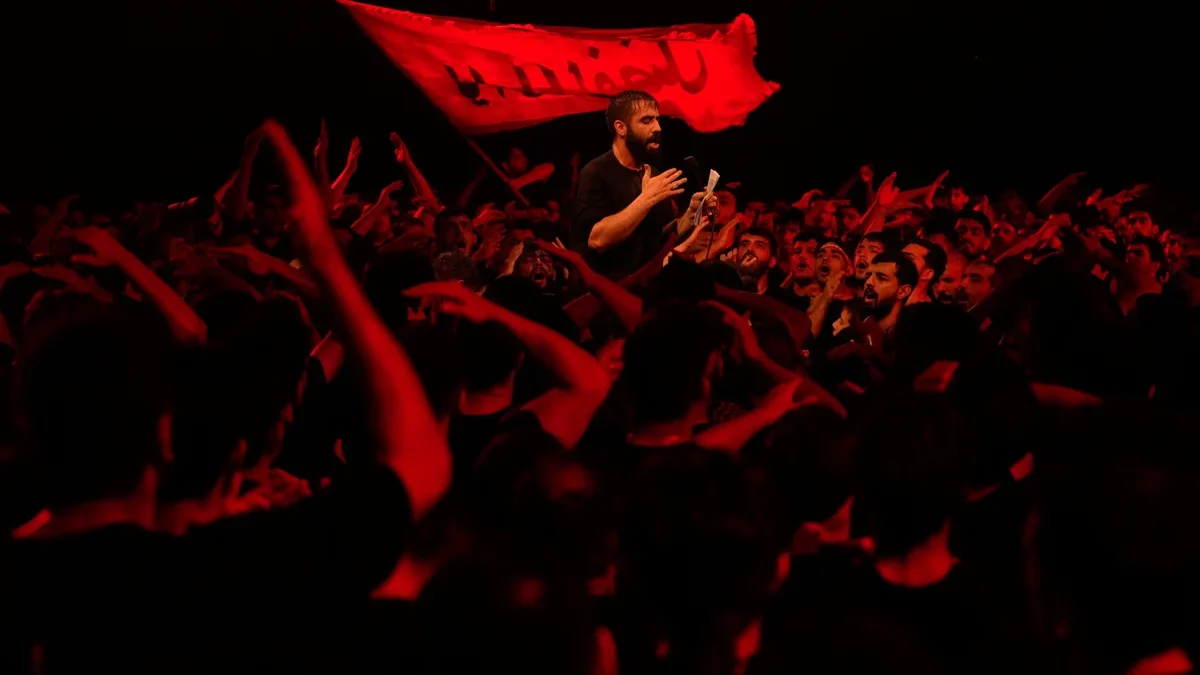
Shiite Muslims mark holy day of Ashoura as global communities gathered to honor the martyrdom of Imam Hussein, a central figure in Shia Islam, during a period of heightened regional tensions. The observance, held on the 10th day of Muharram, carries profound historical and emotional weight, especially as it coincides with the aftermath of months of conflict in Iran and Lebanon. This year’s event serves as a reminder of the sacrifices made by Imam Hussein and his followers in 680 AD, when they stood defiant against the Umayyad caliphate. The rituals of mourning and reflection underscore the enduring significance of this sacred day in the faith’s narrative, even as modern wars reshape the context of its celebration.
The Historical and Spiritual Significance of Ashoura
Ashoura, a cornerstone of Shia Islamic tradition, commemorates the martyrdom of Imam Hussein during the Battle of Karbala. His death, along with his family and companions, symbolizes resistance against oppression and remains a powerful source of inspiration for many. The event is deeply tied to the spiritual identity of Shia Muslims, reinforcing values of courage, sacrifice, and devotion. As the war in Iran and Lebanon continues, the timing of Ashoura’s observance highlights the intersection of faith and conflict, drawing parallels between past struggles and contemporary challenges.
Ashoura in the Context of the Iran-Lebanon War
For Shiite populations in Iran and Lebanon, the holy day of Ashoura falls within the shadow of ongoing war. The conflict, which began in February, has tested the resilience of communities in both countries. In Iran, the death of Supreme Leader Ayatollah Ali Khamenei in an Israeli airstrike on February 28 marked a significant turning point. His leadership, both political and spiritual, resonates with millions of Shia adherents, making the timing of Ashoura’s rituals particularly poignant. In Lebanon, Hezbollah’s role in the war has intensified, with attacks on southern areas and Beirut’s suburbs becoming a focal point for grief and solidarity.
The overlap of Ashoura with the war’s aftermath has amplified its emotional resonance. In cities like Tyre, families mourning loved ones lost in the conflict gather for sermons and processions, their sorrow intertwined with the legacy of Imam Hussein. Clerics emphasize the parallels between historical and modern struggles, framing the day as a call to action against tyranny. Meanwhile, in Beirut, mourners pay tribute to Hassan Nasrallah, the former Hezbollah leader, whose death in a September 2024 strike has deepened the sense of loss and determination within the community.
Global Impact and Community Resilience
Shiite Muslims mark holy day of Ashoura not only in Iran and Lebanon but also in other regions where the faith is practiced. In Pakistan, for instance, the war has intensified security concerns, prompting authorities to deploy forces to protect Shia minorities. Despite their smaller numbers in a predominantly Sunni nation, these communities remain steadfast, drawing strength from their shared history and devotion. Saadia Shah, a mother in Lahore, described Imam Hussein’s martyrdom as a symbol of unwavering resistance, saying, “His name gives us the courage to stand up to tyranny.” Such sentiments reflect the global unity of Shia Muslims in commemorating their faith’s core values.
“Imam Hussein is a symbol of the highest struggle and sacrifice,” Saadia Shah said as she entered a congregation hall with her children. “His name gives us the courage to stand up to tyranny, to say what is right and oppose what is wrong.”
Across the world, Shiite Muslims mark holy day of Ashoura through collective rituals that transcend borders. In Iraq, the annual mourning ceremonies in Karbala draw thousands, while in Syria and Yemen, the day is marked by quieter but equally solemn observances. The event serves as a reminder of the faith’s enduring strength, even amid adversity. In a time when sectarian tensions and geopolitical conflicts threaten stability, Ashoura remains a unifying force, grounding communities in their shared heritage and offering hope for resilience.
Symbolism in a Time of Conflict
The juxtaposition of Ashoura’s rituals with the devastation of war in Iran and Lebanon underscores the deep connection between faith and struggle. In southern Lebanon, where many Shiite communities have been displaced, the day of mourning is marked by both grief and renewed commitment to justice. The destruction of homes and infrastructure has not dampened the spirit of the observance, which continues to inspire acts of defiance and solidarity. For Shia Muslims, the day is not just a religious event but a moment of reflection on the costs of conflict and the enduring power of faith.
As the war shows no signs of abating, the observance of Ashoura becomes a powerful act of remembrance. It reminds communities of their historical roots and the sacrifices made by figures like Imam Hussein. The event also serves as a platform to address current challenges, such as the loss of leadership and the ongoing humanitarian crisis. In this context, Shiite Muslims mark holy day of Ashoura as both a tribute to the past and a reaffirmation of their collective resolve.