
Trump condemned over threat that Iran’s ‘civilisation will die’
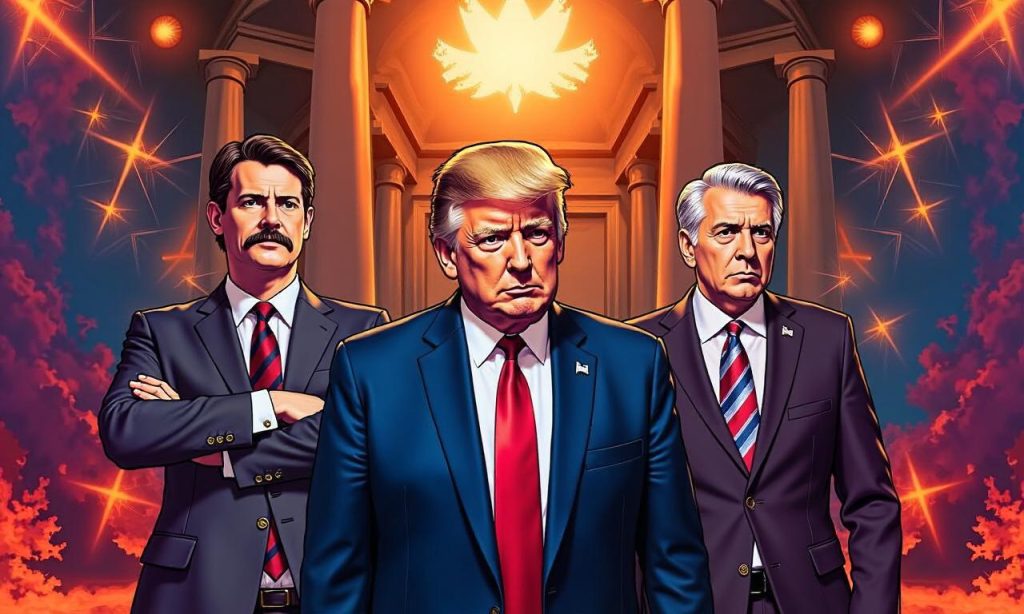
Trump’s Apocalyptic Warning Sparks Global Criticism
United Nations Secretary-General António Guterres and Pope Leo XIV have criticized U.S. President Donald Trump for his stark warning that “an entire civilization could perish tonight” if Iran fails to secure a deal to halt the conflict and clear the Strait of Hormuz. Guterres emphasized concern over the potential impact on civilian populations, while the Pope called the threat “unacceptable.”
Deadline and Diplomatic Push
As the midnight GMT deadline approached, Pakistan, acting as a regional mediator, proposed a two-week extension to facilitate further negotiations. Prime Minister Shehbaz Sharif stated on X that diplomatic efforts were “progressing steadily, strongly, and powerfully” and urged Iran to “open the Strait of Hormuz for a corresponding period of two weeks as a goodwill gesture.” The White House confirmed it had been informed of the request but delayed a response.
“A whole civilisation will die tonight, never to be brought back again. I don’t want that to happen, but it probably will,”
—Donald Trump, Truth Social
Trump’s warning intensified pressure on Iran, following U.S. and Israeli strikes on Tuesday targeting military installations, including Kharg Island’s oil terminal and eight railway bridges. Iranian authorities reported casualties, with two deaths in Kashan and 18 in Alborz province, while claiming the Rafie-Nia synagogue in Tehran was destroyed.
Iranian Response and Retaliation Threats
Iran’s Revolutionary Guards vowed to retaliate globally if “the American terrorist army crosses the red lines,” promising to disrupt U.S. and allied oil supplies for years. The group also stated it had attacked a Saudi petrochemical complex and a vessel in the Gulf. Meanwhile, human chains were formed near critical infrastructure, as images shared by Iranian state media showed citizens rallying in support of their nation.
Israel’s Prime Minister Benjamin Netanyahu highlighted attacks on railway bridges and tracks, asserting they were used by Iran’s Islamic Revolutionary Guard Corps to move military assets. He declared the strikes were part of “crushing the terrorist regime in Iran” with “increasing force.”
Apocalyptic Tone and Strategic Options
Trump framed his ultimatum as a necessary measure, writing on Truth Social: “However, now that we have complete and total regime change, where different, smarter, and less radicalised minds prevail, maybe something revolutionarily wonderful can happen, who knows? We will find out tonight.” He also noted that U.S. forces could dismantle all of Iran’s bridges and power plants within four hours if no agreement was reached.
Vice-President JD Vance acknowledged hopes for a deal but hinted at potential military options, though the White House later clarified he was not referring to nuclear weapons. The conflict escalated as both sides exchanged accusations, with Iran asserting its oil facilities remained undamaged and Israel expressing regret over the synagogue’s destruction, citing it as collateral damage during an attack on a senior military commander.
