Tens of Thousands Brave Record Heat to Celebrate Budapest Pride Following Viktor Orbán’s Defeat
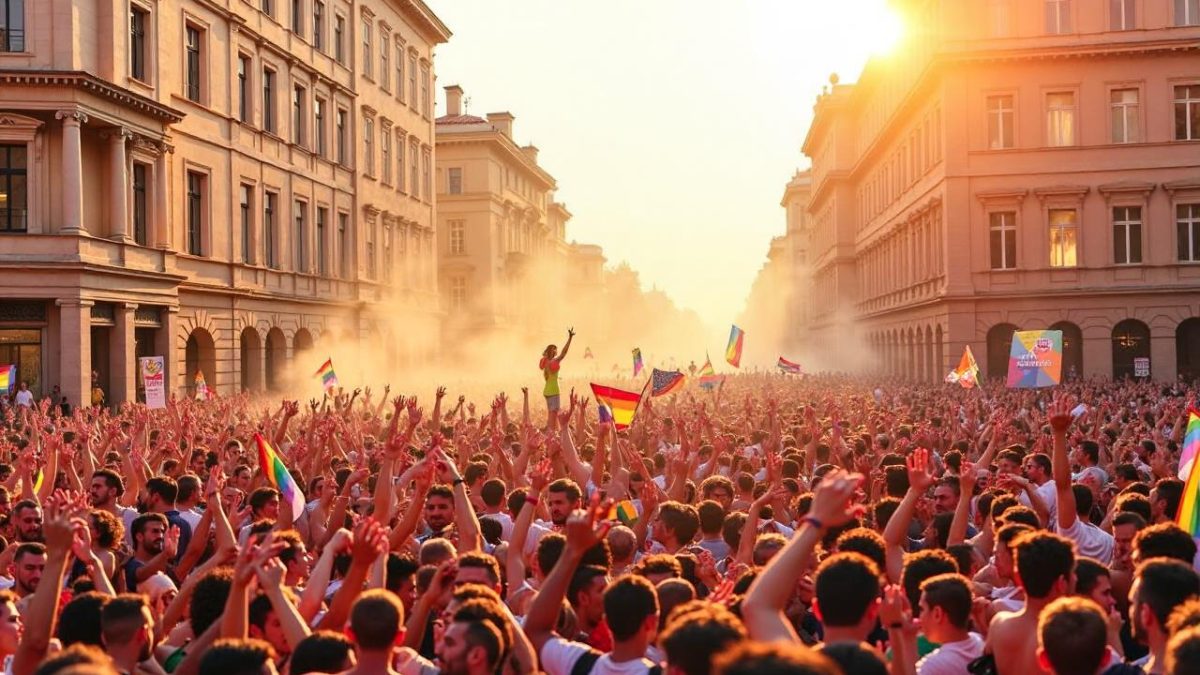
Tens of thousands brave record heatwave – Amid an unprecedented heatwave, over 10,000 Hungarians gathered in Budapest for the first annual Pride march since the political shift that ended Viktor Orbán’s dominance. The event, held on Saturday, marked a symbolic victory for LGBTQ+ advocates as temperatures soared to at least 38°C (100°F), turning the city into a vibrant hub of rainbow-colored energy. Organizers worked to keep participants cool, distributing water bottles and opening public fountains along the parade route to combat the sweltering conditions.
From Protest to Celebration: A Shift in Climate and Politics
Last year, Orbán’s administration attempted to block the Pride march, framing it as part of a broader strategy to curb LGBTQ+ freedoms. The move inadvertently transformed the event into a mass demonstration against his government, drawing tens of thousands of people who rallied against his policies. This year, however, the ban was lifted after his defeat in the recent elections, allowing the community to reclaim the streets and celebrate their identity openly.
Budapest’s Pride march began in the late afternoon, with attendees marching from the iconic Opera House through the city center. The route passed under the Erzsébet Bridge, which spans the Danube River, creating a striking contrast between the natural beauty of the water and the colorful banners of solidarity. Participants waved rainbow flags, danced to upbeat music, and embraced the opportunity to showcase their pride in a public display of unity and resilience.
Political Change and Hope for the Future
For many, the mood was markedly different from previous years. Fanni Fajth, an 18-year-old student, shared her optimism about the new political era. “I think it would be wonderful if we just had equal rights finally after all these years,” she said, reflecting a broader sentiment among attendees. The shift from Orban’s leadership, which had previously been seen as hostile to LGBTQ+ rights, has created a sense of cautious hope, with people expressing excitement for potential reforms in areas like adoption and marriage.
Orban, who had positioned himself as a guardian of traditional values against Western liberalism, implemented policies that restricted LGBTQ+ rights. These included laws that barred gender transition in personal documents, halted same-sex adoption, and prohibited materials promoting homosexuality in schools. His government had also argued that Pride events undermined children’s moral development, a claim that sparked international criticism and resistance.
A New Era of Freedom and Acceptance
With Orban’s defeat, the Tisza party, led by Peter Magyar, now holds the reins of power. While Magyar has maintained a conservative stance, his government has signaled a willingness to adapt. When asked about recent legislation affecting LGBTQ+ rights, he urged patience, acknowledging the need for a balanced approach. This subtle shift has been welcomed by participants, who feel the atmosphere in the country has become more relaxed.
Mate Tarnai, a 51-year-old chemist, noted the change in tone. “The biggest change is actually the change in politics in the country,” he remarked. “We feel more freedom personally, and the overall mood is much more positive than last year.” For Boglarka Boruzs, a 23-year-old translator, the most significant difference under the new administration is the sense of safety and acceptance that LGBTQ+ individuals now experience in daily life. “Politicians have the power to make society understand that it’s okay to be gay,” she said, highlighting the community’s renewed confidence.
EU Court Validates the Rights Movement
The legal battle for LGBTQ+ rights in Hungary gained momentum earlier this year when the EU’s highest court ruled that Orban’s 2021 legislation—banning LGBTQ+ content for minors—violated EU law and breached foundational principles of human rights and equality. This decision provided a critical endorsement to the movement, reinforcing the argument that Pride is not just a celebration but a necessary expression of individuality and diversity.
Despite the victory, challenges remain. The previous government had long framed Pride as a threat to children’s spiritual and moral growth, a narrative that continues to influence public opinion. However, the participation of thousands in the march this year suggests a growing awareness of the movement’s importance. As the event unfolded, the city’s streets became a living testament to the resilience of the LGBTQ+ community and their determination to assert their rights in the face of adversity.
For many attendees, the march was more than just a parade—it was a declaration of hope. The record-breaking heat, which had once been a barrier to participation, was now a shared experience. As the crowd moved through the city, the flags and cheers symbolized a collective reclamation of space and identity. The event’s success underscored the power of public expression, even in the most extreme conditions, and signaled a turning point for Hungary’s LGBTQ+ rights landscape.
Looking ahead, the focus remains on securing lasting change. While the current government has taken steps to reverse some of Orban’s policies, activists emphasize that vigilance is still needed. “This is a moment to celebrate, but also to push for real progress,” said one organizer. The march in Budapest served as a reminder that the fight for equality is ongoing, and that every step forward—no matter how small—carries significance in a society still navigating the complexities of cultural and political transformation.
As the sun set over the Danube, the energy of the crowd lingered. The event had not only defied the heat but also the political climate that had once sought to suppress it. For the participants, it was a chance to connect, to celebrate, and to envision a future where LGBTQ+ rights are fully recognized and protected. The march in Budapest stands as a powerful symbol of resilience, unity, and the enduring spirit of a community that continues to thrive despite challenges.