
Church of England to apologise for role in historical forced adoption
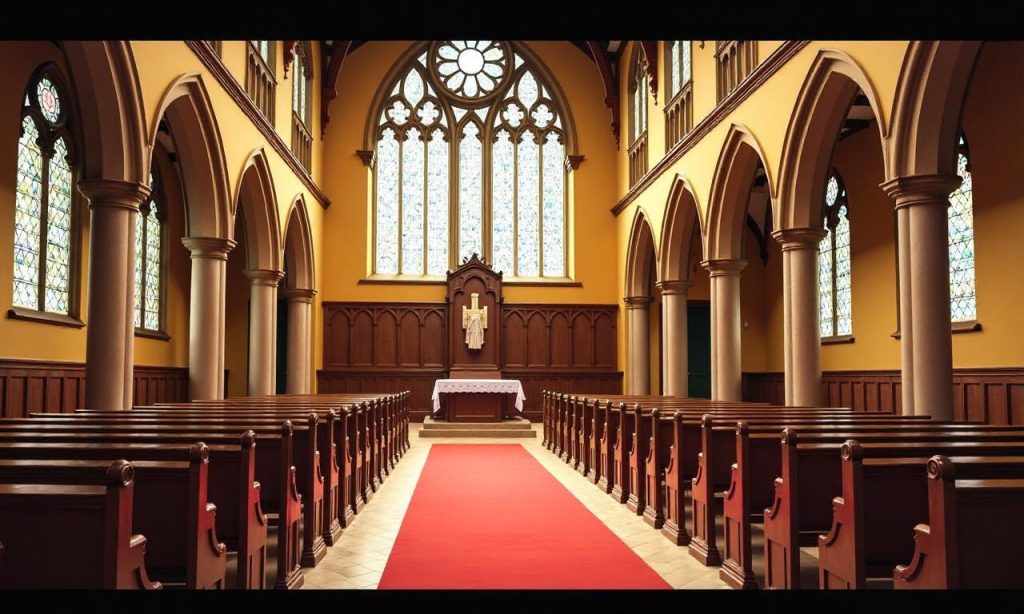
Church of England to Apologize for Role in Historical Forced Adoptions
The Church of England is set to formally acknowledge its part in historical forced adoptions, according to recent reports by the BBC. These practices occurred during the three decades following World War Two, during which thousands of infants were separated from their mothers due to the women’s unmarried status. The Church operated approximately 100 mother and baby homes across England, often serving as a means to conceal these mothers from public scrutiny.
Personal Accounts and Systemic Impact
One individual who experienced this system firsthand is Jan Doyle. In 1963, at the age of 16, she was sent to a home in Kent after an unplanned pregnancy. She described the harsh conditions, including being forced to clean floors on her hands and knees even while pregnant. “I think I was down on my hands and knees the day before my son was born,” she recalled. Her child, David, was taken shortly after birth and reunited with her after 63 years, now sharing a regular connection.
“An apology from the Church of England would mean a great deal to those affected,” said Dr. Michael Lambert of Lancaster University, who has studied the Church’s involvement in forced adoptions. “It would help shift the narrative from one of sin and shame to one that highlights the systematic harm done to tens of thousands of women and children.”
Parliament’s Joint Committee on Human Rights (JCHR) investigated the issue after the BBC first raised it in 2021. The committee found that around 185,000 babies were impacted by forced adoptions between 1949 and 1976. While many were placed in Church-run homes, others were managed by different religious and welfare organizations.
Apology and Broader Institutional Trends
The Church’s draft apology, shared with the BBC, states: “We acknowledge the lifelong impact of these experiences and the part the Church played in a system shaped by attitudes and behaviors we now recognize as harmful. For the pain and trauma experienced – and still carried – by many women and children in Church-affiliated mother and baby homes, we are deeply sorry.” This move makes the Church the latest institution to address its role in the practice, following similar apologies from the Catholic Church and Scottish and Welsh governments in 2023.
Jan Doyle, who lived through the experience, remains cautious about fully accepting the apology. “It was wicked the way they treated us,” she said. “So [an apology] would have to be heartfelt – one that really did hold water.” Her perspective reflects the broader sentiment among those who endured the system, emphasizing the need for sincerity in the Church’s acknowledgment.
The UK government has yet to issue a formal apology, despite evidence of its involvement. Children and Families Minister Josh MacAlister recently acknowledged the state’s “role” in historical forced adoptions, stating that describing the issue solely as a societal problem is insufficient. He noted the case for a government apology is “being actively considered” and described the demand for a “comprehensive” apology as “urgent.” The BBC has sought government comment on the matter.
