
Want to help garden birds? Don’t feed them in warmer months, says RSPB
Want to help garden birds? Don’t feed them in warmer months, says RSPB
The UK’s largest bird conservation charity, the Royal Society for the Protection of Birds (RSPB), is urging gardeners to pause feeding their feathered visitors during the warmer months. While it may appear generous to provide food, this practice could inadvertently harm certain bird species, according to the organization.
Millions of households regularly set up feeders, hoping to attract birds. However, the RSPB advises a seasonal approach, recommending a break from feeding between 1 May and 31 October. This period, they warn, can transform feeders into disease hotspots, particularly due to the spread of trichomonosis.
The Disease Threat
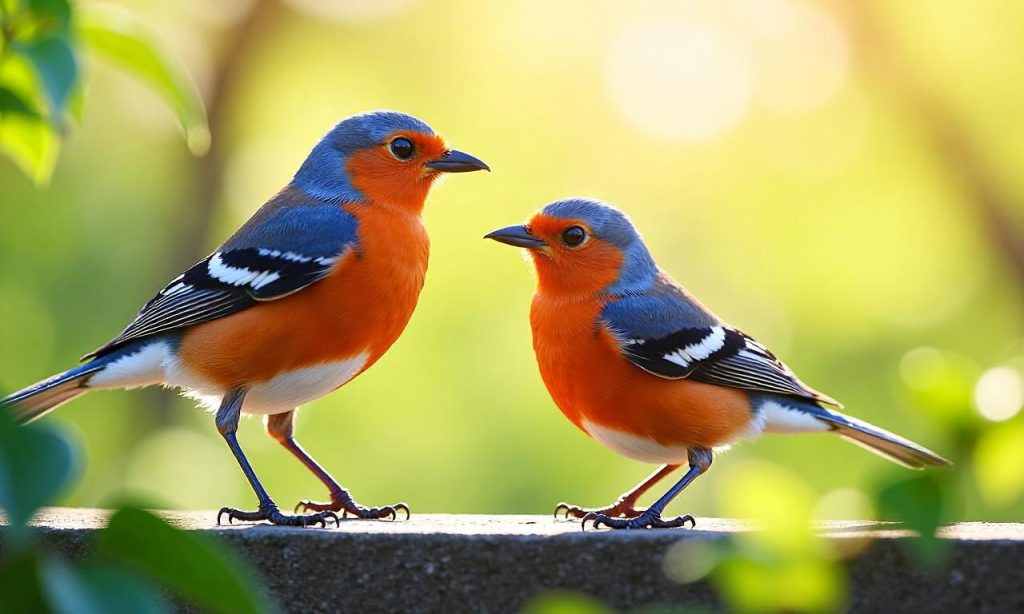
Trichomonosis, a parasitic infection, has led to notable declines in species like greenfinches and chaffinches. Once common in UK gardens, greenfinch numbers have dropped by two million, placing them on the red list of endangered birds. The parasite affects the birds’ mouths, throats, and upper digestive tracts, impairing their ability to eat, drink, or breathe.
“It’s really nice to see them from the window – they look very chipper out there,” says Helen Rowe from the Isle of Dogs in London.
Infected birds spread the parasite through saliva and droppings, contaminating food sources. The RSPB’s latest Big Garden Birdwatch data shows greenfinches fell from a ranking of seven in 1979 to 18 in 2025. Meanwhile, over 16 million households are estimated to provide regular bird food, with one feeder for every nine birds.
The charity hopes this guidance will reduce disease transmission, though it acknowledges shifting habits may be challenging. UK Pet Food, an industry body, estimates annual spending on bird food reaches £380 million, equivalent to 150,000 tonnes. This volume could sustain three times the breeding populations of the ten most common garden birds if used year-round.
Practical Recommendations
To “feed seasonally, feed safely,” the RSPB emphasizes hygiene. They advise cleaning feeders weekly and relocating them after each clean to prevent debris accumulation. Water should be changed daily, using only fresh tap water, and bird baths should also be scrubbed weekly.
Research indicates flat surfaces pose a higher risk for disease spread. As a result, the RSPB has phased out flat feeders, effectively bidding farewell to traditional bird tables. While some feel the loss of close encounters with birds, others question if the advice applies universally. Dick Woods, a bird feeder manufacturer, notes: “Every garden is different. In some places, food is so abundant that birds don’t rely on feeders; in others, they have little alternative.”
Despite variations in natural food availability, the RSPB insists a clear message is key. Martin Fowlie, from the charity, explains: “We are aware things won’t change overnight. Behaviour change takes years, if not decades. Simplifying our guidance makes it easier for people to follow.”
