Abdul Ahad Momand, Afghanistan’s First Astronaut, Dies at 67
Abdul Ahad Momand an Afghan air force – Abdul Ahad Momand, an Afghan air force pilot who became the country’s first astronaut, has passed away at the age of 67, according to his family and close associates. His death marks a significant loss for Afghanistan’s space program, which he helped pioneer during a time of political and military upheaval. The news of his passing has sent ripples of sorrow across the nation, with many hailing him as a national hero.
A Legacy in the Skies
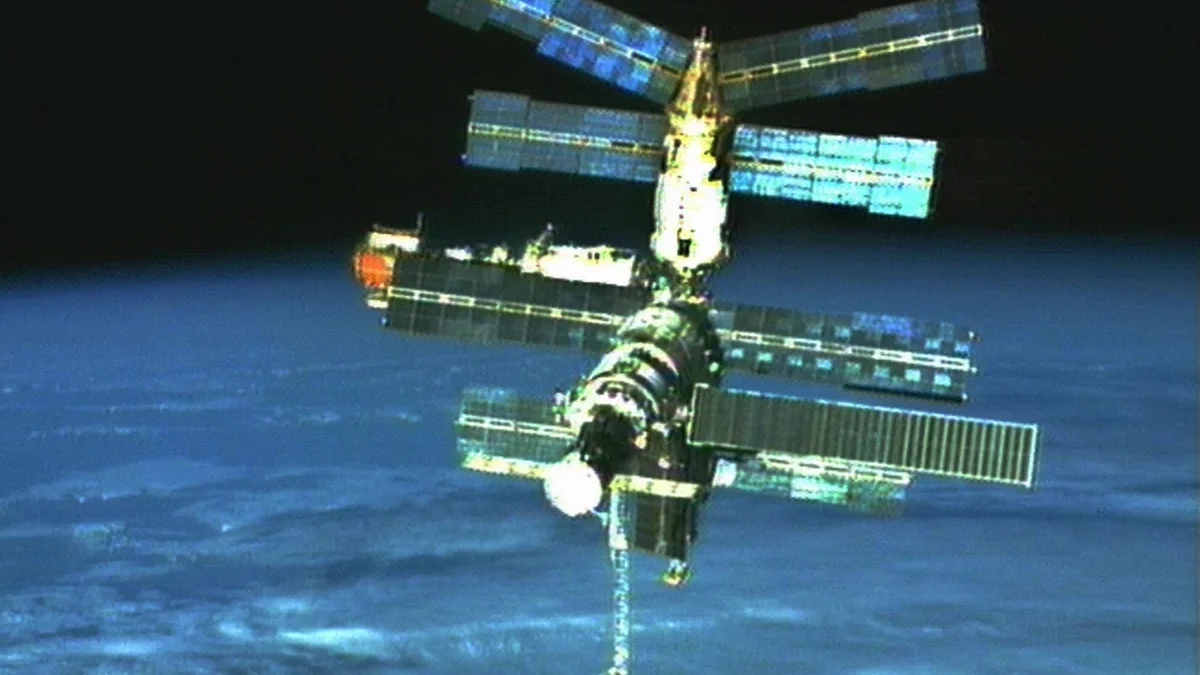
Momand’s journey to space began in 1988 when he was selected for a Soviet-led mission as part of an alliance between Afghanistan and the USSR. He traveled aboard the Soyuz TM-6 spacecraft to the Mir space station, becoming the first Afghan to venture beyond Earth. The mission, which lasted nine days, included experiments that showcased the potential of Afghanistan’s scientific community, even during the height of the war.
While in orbit, Momand carried the Quran with him, a poignant symbol of Afghanistan’s Islamic heritage. This gesture, highlighted in global media, underscored the cultural significance of his mission. His presence in space was a rare moment of pride for a nation grappling with conflict, and his words from the Mir station resonated deeply with Afghans around the world.
A Journey Through Conflict and Cosmic Dreams
Before his historic spaceflight, Momand was a decorated pilot in the Afghan air force, known for his service during the Soviet occupation. His military experience laid the groundwork for his later achievements, as he represented Afghanistan in the cosmos. Despite the challenges of war, he pursued his dream of space exploration, driven by a belief in the power of knowledge and progress.
Momand’s time in space was brief but impactful. He shared a message with his homeland via a televised broadcast, expressing hope for a peaceful future. “Violence cannot be seen from outer space,” he said, a sentiment that captured the aspirations of a people yearning for stability. His mission, though symbolic, was a testament to Afghanistan’s ability to rise above its earthly struggles.
After returning from space, Momand continued his work in science and education. He had studied Afghanistan’s natural resources, including mineral deposits and hydroelectric potential, believing in their role in the country’s development. His efforts bridged the gap between military service and scientific advancement, leaving a lasting legacy that inspires future generations.
A Hero’s Final Chapter
Momand succumbed to cancer in Stuttgart, Germany, where he had lived since 1992 during the civil war. His family revealed that he was receiving treatment there, far from his birthplace, which adds a layer of poignancy to his story. The news of his death has sparked widespread grief, with many in Afghanistan mourning the loss of a pioneer who symbolized resilience and hope.
Former President Ashraf Ghani honored Momand’s memory, stating, “Afghanistan’s first astronaut, Abdul Ahad Momand, will forever be a beacon of national pride.” His tribute emphasized the deep connection between Momand’s space mission and the aspirations of his people. “His journey was a reminder that even in the darkest times, Afghanistan can reach for the stars,” Ghani added, reflecting on the enduring impact of the mission.
Zahir Ammar, a cosmology blogger from Jalalabad, praised Momand’s achievements as a cultural and scientific milestone. “He brought the Quran into space and added Pashto to the languages of the cosmos,” Ammar noted. “This moment belongs to Afghanistan, a nation that proved its place in the universe despite the chaos on the ground.” The blogger lamented that Momand’s stories might not reach the next generation, who have grown up in a different era of Afghan history.
Momand’s legacy extends beyond his time in space. His journey highlighted