
American infected with Ebola in DRC, as US moves to limit entry from virus-hit region
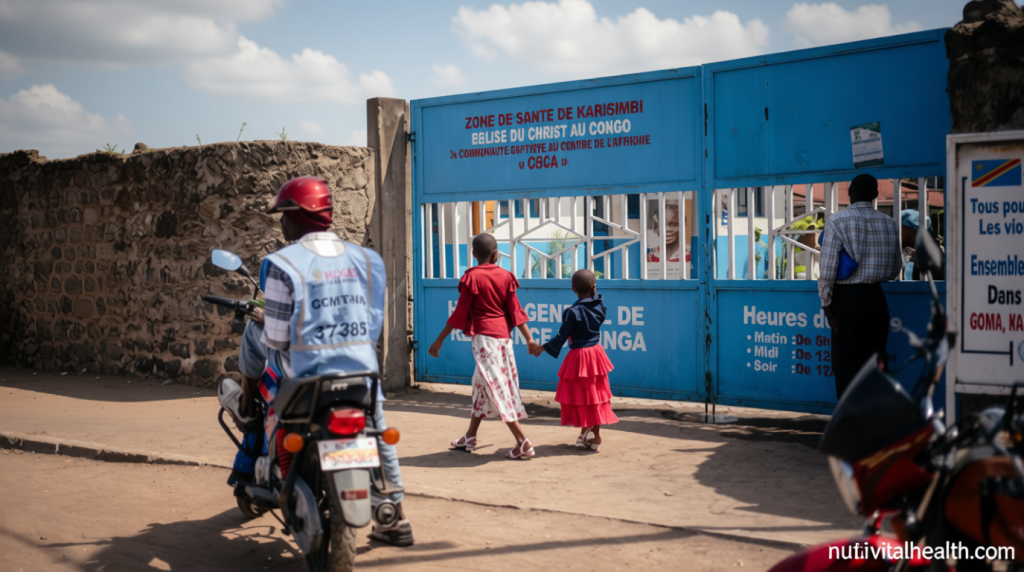
American Ebola Case in DRC Sparks U.S. Travel Restrictions
American infected with Ebola in DRC – An American citizen has contracted Ebola while in the Democratic Republic of Congo (DRC), prompting the U.S. to implement temporary entry restrictions from the virus-affected region. The Centers for Disease Control and Prevention (CDC) confirmed the case Monday, highlighting the growing international concern over the outbreak’s spread. With over 300 infections reported in DRC and Uganda, health authorities are ramping up measures to curb the crisis, including limiting travel to prevent further transmission.
Confirmed American Ebola Case in DRC
The CDC’s announcement of the American’s infection has amplified global efforts to contain the outbreak. This individual, working in the DRC, is part of a growing list of cases linked to the Bundibugyo strain, which has caused more than 100 suspected deaths. The World Health Organization (WHO) has classified the situation as a “public health emergency of international concern,” stressing the need for coordinated action across borders. Health officials in the DRC and Uganda are now focusing on rapid response strategies to isolate affected communities and prevent wider dissemination.
The outbreak’s reach has expanded to multiple health zones in the DRC, particularly in the northeastern Ituri province, where the virus is spreading aggressively. In Uganda, two confirmed cases were reported in Kampala, with one fatality. These developments have intensified calls for support from international partners, as the lack of targeted treatments and vaccines adds to the urgency of containment efforts.
Humanitarian Challenges and Global Collaboration
Dr. Jean Kaseya of the Africa CDC noted that the outbreak is entwined with ongoing instability and limited healthcare resources in the DRC. Years of conflict have disrupted surveillance systems, complicating early detection and response. Humanitarian organizations, including Oxfam, warn that without swift intervention, the situation could worsen, putting more lives at risk. The American case underscores the interconnectedness of global health, as the virus spreads beyond regional borders.
International aid groups are now deploying medical teams to support local efforts. Médecins Sans Frontières (MSF) reported that the Bundibugyo strain has a fatality rate between 25% and 40%, making it particularly virulent. The CDC has also emphasized the importance of exit screening and quarantine protocols, as the American patient is being transported to Germany for specialized care. This highlights the role of international cooperation in managing the outbreak’s trajectory.
Travel Restrictions and Public Health Measures
The U.S. invoked Title 42, a public health law enacted in 1944, to restrict entry from the DRC and Uganda for 30 days. This measure, previously used during the early stages of the pandemic, aims to minimize the risk of the virus reaching American soil. While the CDC considers the threat to public health as “low,” the decision reflects a precautionary approach to safeguarding global health.
Dr. Jeanne Marrazzo of the Infectious Diseases Society of America warned that travel bans alone are not enough. “Pathogens don’t recognize passports,” she said, urging a more holistic strategy that includes strengthening surveillance, improving healthcare infrastructure, and ensuring equitable access to medical resources. The American infected with Ebola in DRC serves as a catalyst for these broader initiatives, emphasizing the need for comprehensive, globally aligned responses.
Impact on Communities and Next Steps
Local communities in the DRC and Uganda are grappling with the outbreak’s impact, as families face heightened anxiety and healthcare systems strain under the pressure. A resident in Kampala described the situation as “even more deadly” than previous strains, citing rapid transmission and the absence of effective treatments. The American patient’s case has also sparked discussions about the importance of early detection and isolation protocols in preventing large-scale outbreaks.
With 10 confirmed cases and 336 suspected infections in the DRC, the outbreak remains a critical challenge. Efforts to transport patients to Germany for isolation and treatment are ongoing, while the WHO and CDC continue to monitor the situation closely. The American infected with Ebola in DRC has become a focal point for international attention, reinforcing the necessity of swift, coordinated action to mitigate the crisis.
