
ICE officer charged with assault in shooting during Minneapolis immigration crackdown
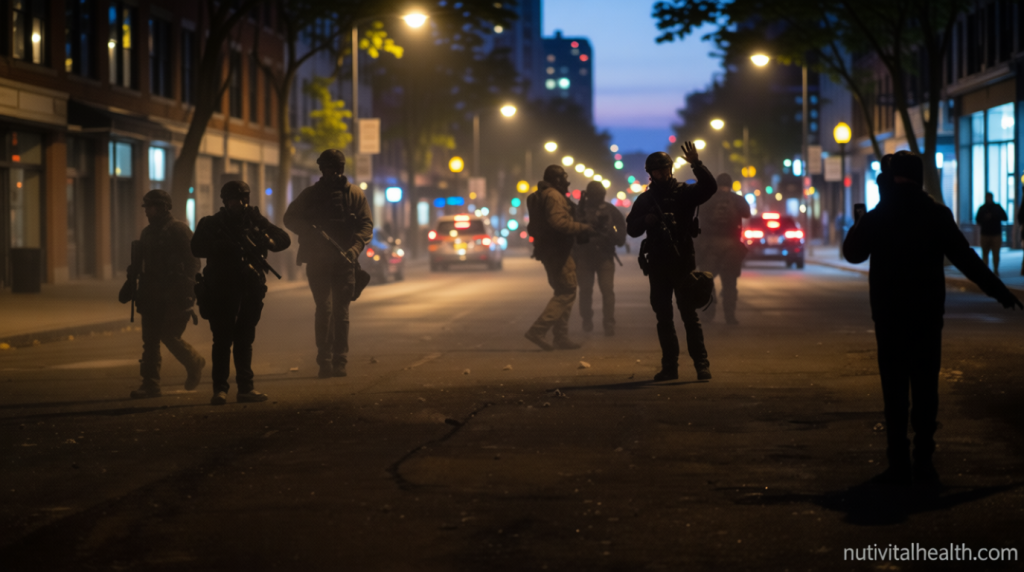
ICE Officer Charged with Assault in Shooting During Minneapolis Immigration Crackdown
ICE officer charged with assault in shooting – A federal immigration officer has been charged with multiple assault counts in connection with a January shooting in Minnesota, where two Venezuelan immigrants were reportedly targeted by agents during a crackdown on undocumented residents. Hennepin County Attorney Mary Moriarty announced the charges at a Monday news conference, stating that Christian Castro, the ICE agent involved, faces four counts of second-degree assault and one count of falsely reporting a crime. The incident, which took place in early January, has sparked significant debate over the circumstances of the shooting and the accuracy of the agency’s initial account.
Initial Account from DHS
According to the Department of Homeland Security’s initial report, the shooting occurred during a traffic stop in Minneapolis, where agents were pursuing individuals suspected of immigration violations. The agency claimed that Julio Cesar Sosa-Celis and his cousin Alfredo A. Aljorna had fled on foot after resisting arrest, with Sosa-Celis allegedly attacking an agent with physical force. The report stated that the agent, Castro, fired a defensive shot to protect his life after the men allegedly struck him with a snow shovel or broom handle. This version of events was presented as a justification for the use of force, framing the immigrants as aggressors in a high-speed chase.
“Castro was never under threat during the incident, and he was not hit by a shovel, a broom, or another object,” Moriarty emphasized. Her statement challenges the original narrative, suggesting that the agents’ actions may have been based on incomplete or misleading information.
The incident initially appeared to align with ICE’s broader strategy of enforcing immigration laws through aggressive tactics. However, the agency’s story began to unravel as new video evidence emerged, revealing critical details that contradicted their initial account. The footage, which was reviewed by investigators, showed the sequence of events leading up to the shooting in a manner that raised questions about the use of force.
DOJ’s Reversal and False Statements
Just weeks after the shooting, the Justice Department filed a motion to drop the criminal charges against Sosa-Celis and Aljorna, citing errors in the information provided by federal prosecutors. The department alleged that the initial report contained inaccuracies, particularly regarding the roles of the individuals involved. In a statement released at the time, ICE admitted that two of its agents had made “false statements” under oath, which contributed to the confusion surrounding the incident. These agents were placed on administrative leave while the Justice Department investigated their accounts.
“Federal prosecutors provided incorrect information to the court,” the DOJ noted in its filing. “This led to the decision to withdraw the charges against the two Venezuelan men.” The motion highlighted the discrepancies between the agency’s initial narrative and the evidence presented in the video.
The video footage, which had been released in the aftermath of the shooting, provided a more detailed account of the events. It showed that Aljorna, not Sosa-Celis, was driving the vehicle agents were pursuing. As the chase intensified, Aljorna exited the car and joined Sosa-Celis in a confrontation with the officer. The clip revealed that both men used a snow shovel or broom handle to strike Castro, prompting him to fire a shot. This sequence of events contradicted the earlier claim that Sosa-Celis had been the primary aggressor.
The reversal of the charges marks a pivotal shift in the case. While the initial account portrayed the immigrants as threats, the updated version suggests that the agents may have been the ones initiating the conflict. This change in narrative has led to renewed scrutiny of ICE’s enforcement practices and the agency’s handling of the incident. Moriarty’s comments at the news conference underscore the need for transparency, particularly in high-profile cases involving the use of force.
Context and Implications
The shooting occurred during a period of heightened immigration enforcement in Minneapolis, where agents have been targeting undocumented individuals. The case has drawn attention to the broader implications of such actions, including the potential for overreach and the impact on immigrant communities. CNN has contacted the Department of Homeland Security for additional comments and is working to confirm whether Castro has legal representation.
The incident highlights the challenges of balancing immigration enforcement with the rights of individuals. While ICE maintains that the use of force was necessary, the evidence presented in the video has cast doubt on the agency’s version of events. The false statements made by the agents, as acknowledged by ICE Director Todd Lyons, have further complicated the situation. Lyons stated at the time that the agents’ accounts were “untruthful,” which led to the motion to dismiss the charges.
Despite the drop in criminal charges, the case remains under investigation. The Justice Department is examining whether the false statements were intentional or the result of miscommunication. This review could lead to additional consequences for the agents involved, including potential disciplinary actions or even criminal charges for their role in the incident.
The evolving narrative of the Minneapolis shooting has sparked discussions about the reliability of ICE’s reports and the need for more thorough investigations. While the agency’s initial account painted a clear picture of a defensive action, the new evidence suggests that the situation may have been more complex. The contrast between the two versions of events raises questions about the accuracy of the information shared with the public and the court.
As the case continues to develop, it serves as a reminder of the importance of transparency in law enforcement. The charges against Castro and the subsequent reversal of the men’s allegations demonstrate how critical evidence can reshape the understanding of an incident. With the Department of Homeland Security still involved in the story, the situation remains fluid, and further updates are expected.
