Tapestry Lawns: The Perfect Low-Maintenance Drought-Tolerant Alternative
Why tapestry lawns are the perfect – As British summers intensify, many homeowners are turning to tapestry lawns as a sustainable solution to traditional grass. This innovative approach to lawn design not only reduces water usage but also offers a visually appealing alternative. Unlike conventional lawns, which demand constant care, tapestry lawns blend resilience with creativity, making them a smart choice for eco-conscious gardeners.
Designing with a Diverse Plant Palette
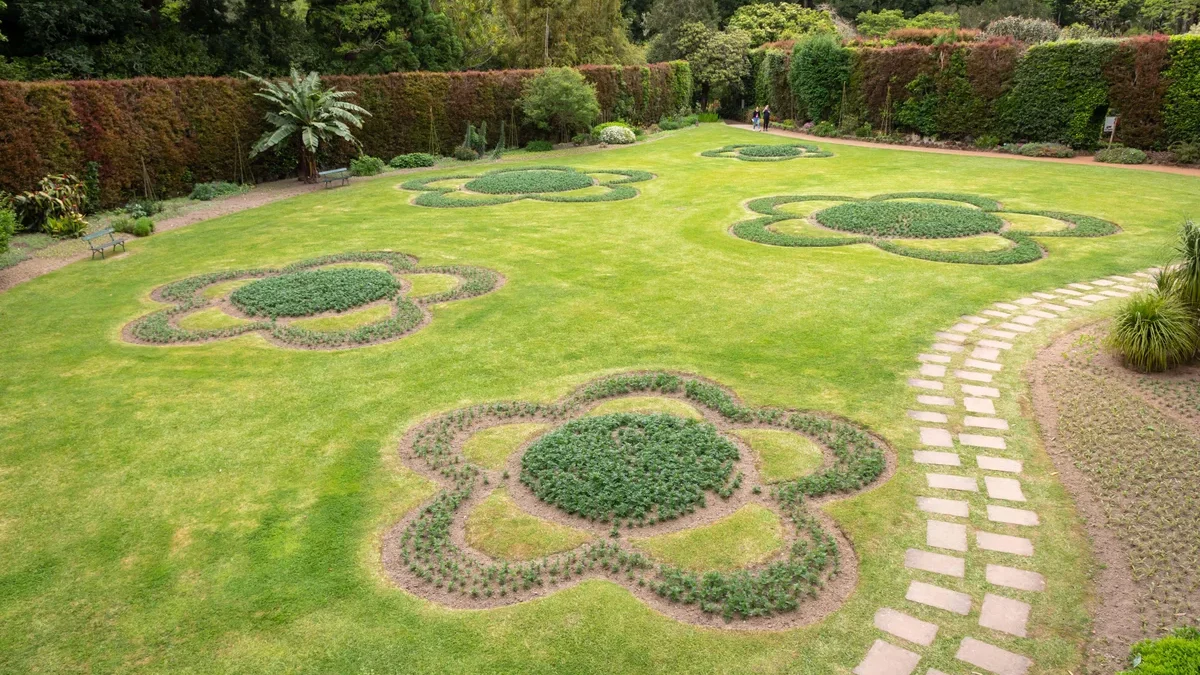
Tapestry lawns are not just about durability—they’re about artistry. Developed by Alex Hankey, garden manager at RHS Garden Wisley, this method uses a mix of flowering plants to create a dynamic ground cover. Wisley’s example showcases how a blend of species can form a dense, textured layer while maintaining a lawn-like appearance. The unique edge, bordered by bricks, highlights the deliberate design choices that make tapestry lawns both functional and attractive.
“A tapestry lawn isn’t just grass; it’s a mosaic of plants that come together to form a living mat,” Hankey explains.
He emphasizes that this design allows for experimentation with colors and textures, offering a fresh way to define outdoor spaces. The result is a garden that feels natural yet curated, without the need for excessive maintenance. Such versatility makes tapestry lawns accessible to gardeners with varying levels of expertise.
Choosing Resilient Plant Species
Success begins with the right plants. Hankey recommends species like chamomile, thyme, and clover, which thrive in dry conditions and require minimal care. These plants not only withstand drought but also bloom throughout the season, adding visual interest without the need for frequent watering. For instance, thyme provides a fragrant, soft appearance, while clover contributes a lush, textured look.
When selecting plants, Hankey advocates for a mix of foliage types and blooming periods. “Using oregano or miniature violas can create subtle contrast,” he says. This diversity supports local ecosystems by attracting pollinators and enhancing biodiversity. By choosing plants that complement each other, gardeners can create a resilient, aesthetically pleasing tapestry lawn.
Steps to Create a Tapestry Lawn
Transforming a traditional lawn into a tapestry one involves strategic planning. Hankey suggests removing existing turf and preparing the soil by clearing stones and cultivating it to a fine tilth. “Introducing plants like chamomile directly into the soil is a great starting point,” he advises. This process ensures optimal growth conditions for the diverse plant mix.
For those who prefer potted options, the approach remains similar. “Potted plants can be used, but the ground must still be free of debris,” Hankey notes. This method is ideal for small spaces or those wanting to test the concept before full-scale implementation. The flexibility of tapestry lawns allows for tailored solutions to suit different garden needs.
Optimizing Sunlight and Aesthetic Balance
Location is critical for a tapestry lawn’s success. Hankey advises selecting sunny areas, as shade can promote moss growth. “Moss thrives in low-light conditions, so ample sunlight helps maintain a vibrant, drought-resistant landscape,” he says. This step prevents the dominance of unwanted plants and ensures the tapestry lawn remains healthy and colorful.
Designing a tapestry lawn also involves thoughtful color and texture combinations. “Pairing a silver-leaved potentilla with purple-foliage Ajuga reptans creates striking contrast,” Hankey explains. This interplay of hues and forms adds depth to the garden, making it both eco-friendly and visually engaging. Such design elements highlight the artful nature of this alternative.
Maintenance Tips for Long-Term Success
While tapestry lawns require less frequent mowing than traditional grass, some upkeep is still necessary. Hankey recommends trimming during summer to prevent dominant plants from overshadowing others. “Clover often takes over by July, so regular cutting helps maintain balance,” he notes. This ensures the lawn remains attractive without sacrificing its low-maintenance appeal.
Adjusting mowing height is another key factor. “Avoid cutting as close to the ground as with conventional grass,” Hankey advises. This approach protects delicate plants while preserving the lawn’s natural aesthetic. By following these guidelines, gardeners can enjoy a tapestry lawn that thrives year-round with minimal effort.