NHS Urges Parents to Confirm Children’s Vaccination Status Against Life-Threatening Illnesses
NHS says it s crucial parents – Following a recent surge in measles cases and the tragic loss of two young lives due to the disease, the National Health Service (NHS) has launched a targeted campaign to remind families of the importance of routine immunizations. The initiative emphasizes that vaccinations are essential in safeguarding children from preventable, yet potentially fatal, infections. With public health officials highlighting a growing concern over declining vaccine uptake, the campaign aims to address gaps in protection across the UK population.
Public health authorities are now encouraging around one million households to confirm their children are receiving essential immunizations against severe childhood illnesses. The focus is on ensuring that all children are up to date with their shots, particularly those who may have missed scheduled doses. This comes as the UK Health Security Agency (UKHSA) reported a concerning 801 measles cases this year, surpassing the 959 cases recorded in 2025. While the numbers may seem lower than previous years, the rapid increase in recent months has raised alarms among medical experts.
Targeted Efforts to Address Vaccination Gaps
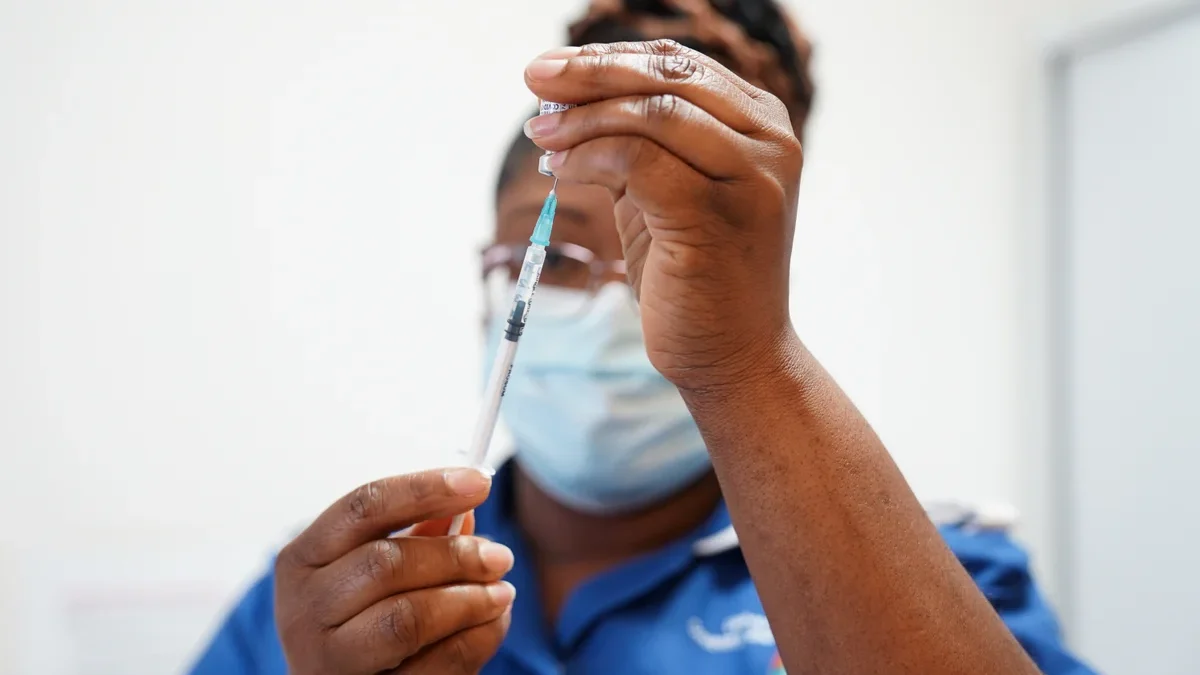
The NHS has introduced a catch-up program specifically for children aged two to 11, with healthcare providers reaching out to parents who have not yet administered the necessary measles vaccines. General practitioners (GPs) will play a central role in this effort, contacting families in their local communities to schedule immunizations. This approach is designed to tackle barriers such as logistical challenges or parental hesitancy, ensuring that no child is left vulnerable.
For children under six, GPs will prioritize outreach to parents, emphasizing the importance of timely vaccinations. Meanwhile, families with children aged six to 11 will receive notifications through the NHS App, text messages, emails, or postal letters. These varied methods of communication aim to maximize reach and convenience, particularly in areas where vaccination rates have dipped.
“Measles can be devastating for families, with sometimes tragic consequences, which is why we’re reaching out to parents to help them protect their children,” said Caroline Temmink, NHS director of vaccination. She added that diseases like mumps, rubella, and chickenpox also pose significant risks, though they are preventable with proper immunization. “GPs in the communities they know so well are contacting families to help overcome any barriers to getting children the protection they need,” Temmink explained. “If you are invited to catch up on your child’s vaccinations, please come forward and take up this crucial offer.”
Public Health Minister Sharon Hodgson echoed this sentiment, stating, “Vaccination is one of the most effective ways to protect children from serious diseases such as measles, mumps, rubella, and chickenpox. These illnesses can be devastating, but they are preventable through routine childhood immunisation.” She urged parents to act swiftly if contacted by the NHS, emphasizing that timely vaccination is key to reducing the spread of infectious diseases and shielding vulnerable populations, including those who cannot receive vaccines due to medical conditions.
The campaign’s urgency is underscored by the World Health Organisation (WHO)’s recent declaration that the UK is no longer classified as measles-free. This assessment follows a steady plateau in vaccination coverage and a noticeable rise in cases, particularly among unvaccinated children. While the UK had previously maintained high immunization rates, the current trend suggests a need for renewed public health measures to counteract the resurgence.
According to the latest data from the first three months of the year, 84.1% of five-year-olds had received both doses of the MMR/V vaccine. This statistic highlights progress in some regions but also reveals disparities in other areas where uptake has lagged. Health officials are using this information to tailor their outreach strategies, ensuring that even those in lower coverage zones receive the necessary support to bring their vaccination rates up to standard.
Measles, though often perceived as a mild illness, can lead to severe complications such as pneumonia, encephalitis, and even death in high-risk cases. The disease spreads rapidly through respiratory droplets, making vaccination a critical preventive measure. The MMR/V vaccine not only protects against measles but also offers immunity against mumps, rubella, and chickenpox, providing a comprehensive shield for children during their early years.
Experts warn that the resurgence of measles is a clear indicator of broader trends in vaccine hesitancy and misinformation. With many parents hesitant to administer vaccines due to concerns about side effects or safety, the NHS campaign seeks to reassure the public through targeted communication and community-based support. By leveraging trusted local healthcare professionals, the initiative aims to build confidence and encourage more families to participate in immunization programs.
In addition to measles, the campaign addresses other vaccine-preventable diseases that continue to affect children across the UK. Mumps, for example, can lead to complications like meningitis, while rubella, if contracted during pregnancy, may cause congenital disabilities in unborn babies. Chickenpox, though generally mild, can be more severe in infants and those with weakened immune systems. The NHS is emphasizing that these diseases are not only manageable through vaccination but also entirely avoidable with proper care and adherence to immunization schedules.
As the campaign progresses, health officials are monitoring its impact closely. They anticipate that increased awareness and proactive outreach will help close the vaccination gap and reduce the risk of outbreaks. However, the success of the initiative will depend on the willingness of parents to engage with the NHS and prioritize their children’s health. With measles cases on the rise and the threat of further spread, the time to act is now.