British Widow’s Tragic Loss in Cape Verde Highlights Growing Resort Illness Crisis
Widow of Brit who died in Cape – A grieving British widow has publicly shared her heartbreaking experience after losing her husband in Cape Verde, drawing attention to a mounting wave of complaints about holiday illnesses in the West African nation. Mrs. Timson was forced to lay her husband to rest in an unmarked burial plot after Colin Timson succumbed to severe illness during what should have been a relaxing vacation. The legal firm Irwin Mitchell has revealed that it now represents over 2,500 individuals who have lodged complaints regarding various gastrointestinal conditions—including salmonella, E.coli, and shigella—following trips to Cape Verde since the summer of 2022. This growing caseload includes families of ten deceased British holidaymakers who passed away from gastric-related complications while on vacations arranged through Tui.
A Holiday Turned Nightmare
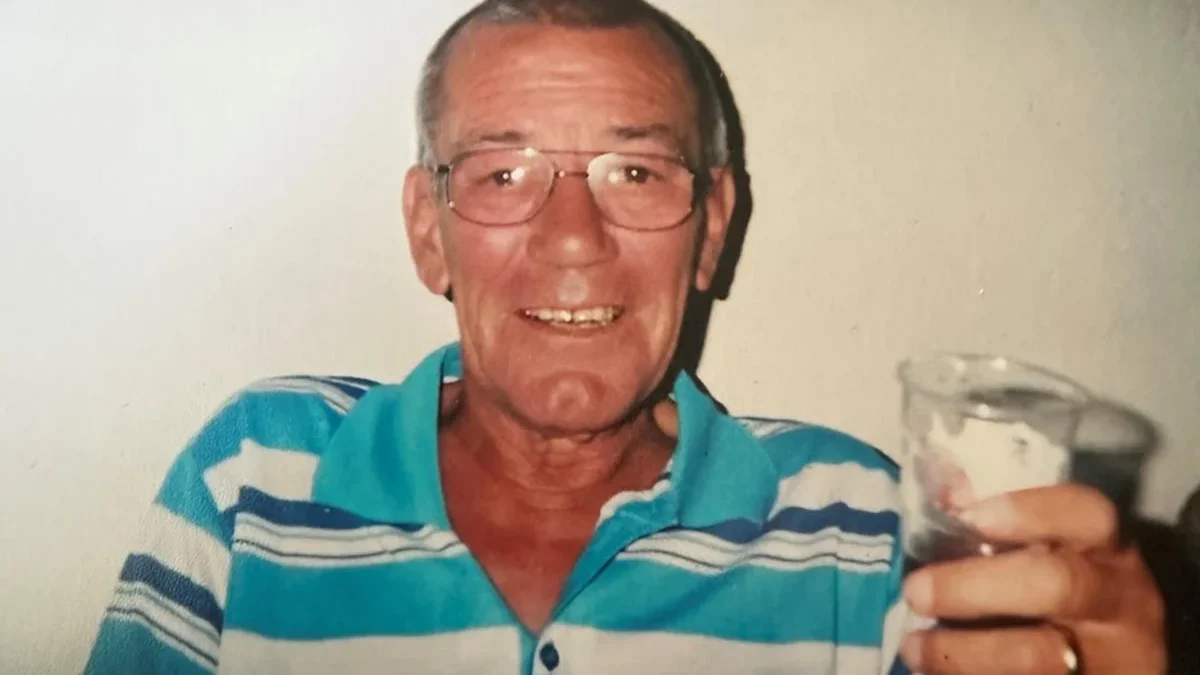
Colin Timson, a 74-year-old retired forklift operator from Heighington near Lincoln, began experiencing symptoms on the second day of his £2,000 fortnight-long visit to the Riu Funana resort located in Sal during July 2024. Tragically, Mr. Timson passed away in a local hospital later that same evening. According to documentation provided by Cape Verde authorities and cited by the law firm, the official cause of death was attributed to dehydration, severe anaemia, and septic shock resulting from acute gastroenteritis accompanied by digestive bleeding. Mrs. Timson, who unfortunately fell ill alongside her husband, recounted having to arrange for Colin’s burial in an unmarked grave just three days following his passing. She described feeling that the resort did not maintain the same quality standards she had experienced during previous visits to Cape Verde.
“Some of the food appeared to be undercooked and was lukewarm. The toilets round the pool were full of dead cockroaches and we didn’t go in the pool because the water looked yellow.”
The couple experienced symptoms simultaneously, though Mrs. Timson noted her condition was less severe than Colin’s, who was vomiting yellow bile. After Colin departed for the hospital, she returned to the hotel believing he would be in capable hands and planned to visit him the following day. It was only upon arriving at the hospital on that subsequent day that she learned of his death.
“I didn’t even know he’d died until I arrived at the hospital the following day. When I heard the news my world fell apart.”
Believing her travel insurance coverage was insufficient and that repatriating Colin’s remains would prove prohibitively expensive, Mrs. Timson was informed that cremation was not available locally. Consequently, she watched helplessly as her husband was buried in Cape Verde.
“The hardest thing is that I couldn’t even bring his ashes home to be alongside me. Instead, he’s buried in an unmarked grave, alone, thousands of miles away from his family.”
Another Tragic Case Emerges
In a separate but related incident, Laurence Brownlie, a 67-year-old retired IT engineer from West Calder in West Lothian, Scotland, experienced a similar fate. Mr. Brownlie traveled to the five-star Meliá Llana Beach Resort and Spa in Cape Verde with his wife Glenna, 66, for a two-week holiday in June 2024. He became unwell during his stay and collapsed at a dinner table three days later, subsequently passing away. The Cape Verde authorities issued a death certificate indicating a suspected heart attack as the cause. The Brownlie family has expressed concerns regarding resort conditions, citing reports of flies contaminating food and the absence of a defibrillator on-site. Their daughter Erin, aged 34, reflected on the devastating circumstances surrounding her father’s death.
“It remains difficult not to think how dad should have been coming home with mum at the end of their holiday. Instead, our family was left devastated and trying to come to terms with losing him so suddenly in such traumatic circumstances.”
Legal Response and Industry Reaction
Jatinder Paul, a serious injury lawyer at Irwin Mitchell, emphasized the ongoing nature of these cases.
“It’s staggering that we continue to be contacted by hundreds more people reporting how their holidays have been ruined by serious illness. Nothing brings the impact of these incidents into sharper focus than the deaths of British holidaymakers.”
Tui, Riu Hotels & Resorts, and Meliá Hotels & Resorts have all been approached for official comment regarding these mounting concerns. The pattern of illness and death suggests a systemic issue that warrants further investigation by both consumers and regulatory bodies.