Record Temperatures Drive Shoppers Away from British High Streets
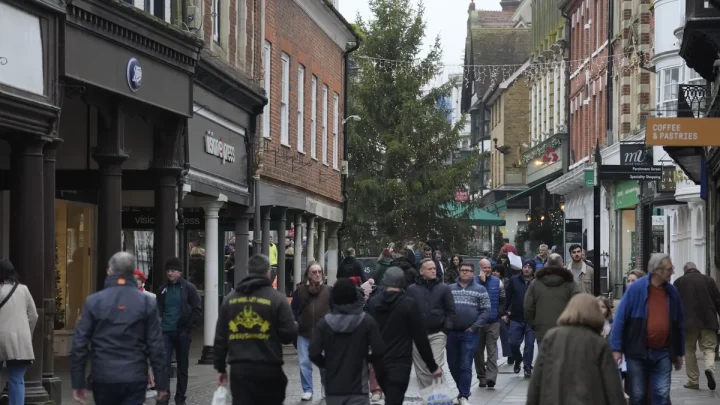
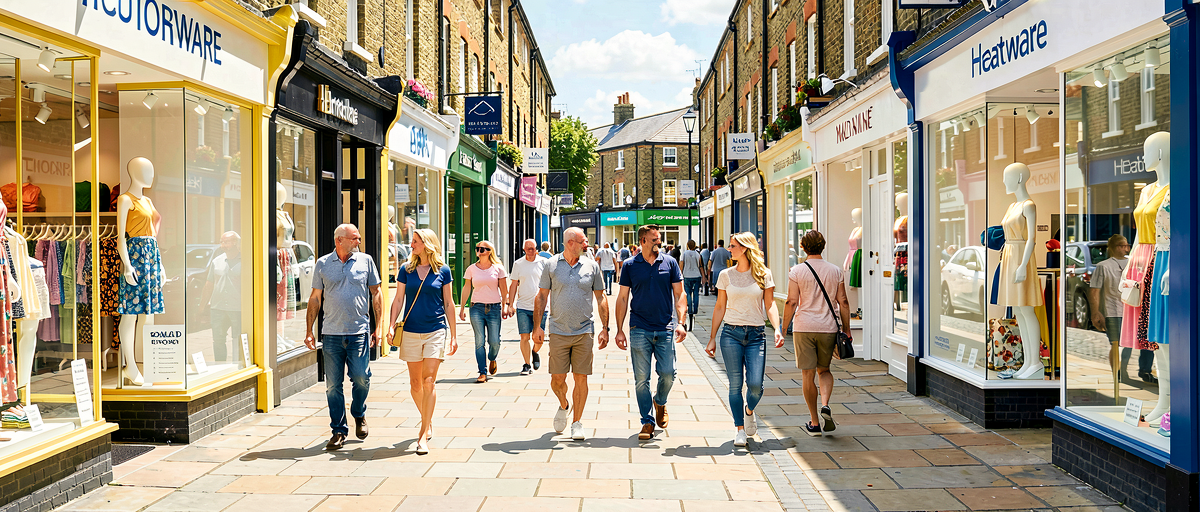
Heatwave leads to sharp decline in footfall – Britain’s retail landscape faced considerable headwinds during June as unprecedented heat levels pushed consumers toward air-conditioned alternatives, according to freshly released statistics. The nation’s traditional high streets bore the heaviest burden of this seasonal shift, experiencing a pronounced contraction in customer visits that outpaced other retail formats.
Regional Performance Diverges
Geographic variations emerged prominently in the data, with Scotland standing as the sole exception to the prevailing downward trend. The Scottish market registered a modest 1.7 per cent expansion in overall footfall, contrasting sharply with its neighbours. Northern Ireland recorded a marginal contraction of 0.9 per cent, while Wales experienced a more substantial 2.3 per cent decline. England, home to the largest concentration of retail activity, suffered a 3 per cent reduction in visitor numbers.
These regional disparities suggest that local climate conditions, combined with varying consumer confidence levels across the United Kingdom, influenced shopping behaviour differently depending on location. The South of England, in particular, appears to have been disproportionately affected by the combination of record-breaking temperatures and associated travel disruptions.
Format-Specific Trends Emerge
When examining retail formats individually, the data reveals clear consumer preferences during periods of extreme weather. Shopping centres demonstrated relative resilience, with visitor numbers declining by only 2.5 per cent compared to the previous year. Retail parks proved even more stable, recording a negligible 0.3 per cent decrease in footfall.
Conversely, the high street endured the most significant challenge, suffering a sharp 6.2 per cent fall in visitor numbers. This pronounced decline underscores how unconditioned outdoor retail environments became less attractive to consumers seeking relief from the sweltering conditions. The total UK retail footfall dropped by 3.4 per cent last month compared to the previous year, with the high street bearing the brunt of the decline.
Industry Leaders Weigh In
“The heatwave may have affected footfall, but retailers face a bigger challenge: rising costs.”
Helen Dickinson, chief executive of the British Retail Consortium, emphasized that while weather patterns certainly influenced consumer behaviour, structural economic pressures represent a more enduring concern for the sector. She noted that businesses are working hard to deliver value for customers, yet higher taxes and regulatory burdens are making it harder to invest, create jobs and grow.
Dickinson further highlighted that government action on business rates and energy costs would help unlock investment to revive our local communities. This perspective positions the current footfall decline as a temporary weather-related phenomenon rather than a fundamental shift in consumer habits.
“June saw UK retail footfall remain under pressure, with total visits down 3.4 per cent year-on-year, bringing the year-to-date figure down to minus 3.3 per cent at the halfway point.”
Andy Sumpter, retail consultant for Sensormatic, provided additional context regarding the broader implications of these figures. He observed that while the overall trend remains subdued, it continues to reflect a cautious consumer who is making fewer, more considered trips. His analysis suggests that shoppers are becoming more deliberate in their purchasing decisions, potentially prioritizing essential items over discretionary spending.
Sumpter noted that exceptionally high temperatures are likely to have influenced behaviour, particularly in the South, where record heat and travel disruption made shopping trips less appealing. At the same time, consumer confidence is improving slightly but remains low, with wider uncertainty continuing to weigh on discretionary spend.
Broader Economic Context
The June figures build upon earlier trends identified throughout the year. Data from the British Retail Consortium-Sensormatic revealed that total footfall across the UK declined by 3.9 per cent over March and April compared to the same period last year, a timeframe chosen to mitigate distortions from an earlier Easter.
High street visits saw a 3.3 per cent drop, while shopping centres experienced a 3.5 per cent reduction, and retail parks were down by 3 per cent. These cumulative figures suggest that the current decline may represent an acceleration of pre-existing patterns rather than an entirely new development.
Earlier in the year, it was found that British consumers were making fewer trips to shops, with new figures suggesting that the conflict in the Middle East was dampening confidence. This geopolitical factor, combined with domestic economic pressures and seasonal weather patterns, creates a complex environment for retailers navigating the current landscape.
As the year progresses, industry observers will be watching closely to see whether the footfall decline represents a temporary weather-related anomaly or signals a more permanent shift in consumer behaviour. The interplay between economic uncertainty, global events, and seasonal factors will likely continue to shape retail performance in the months ahead.