Drivers Warned to Avoid Unfamiliar Rural Routes During Traffic Congestion
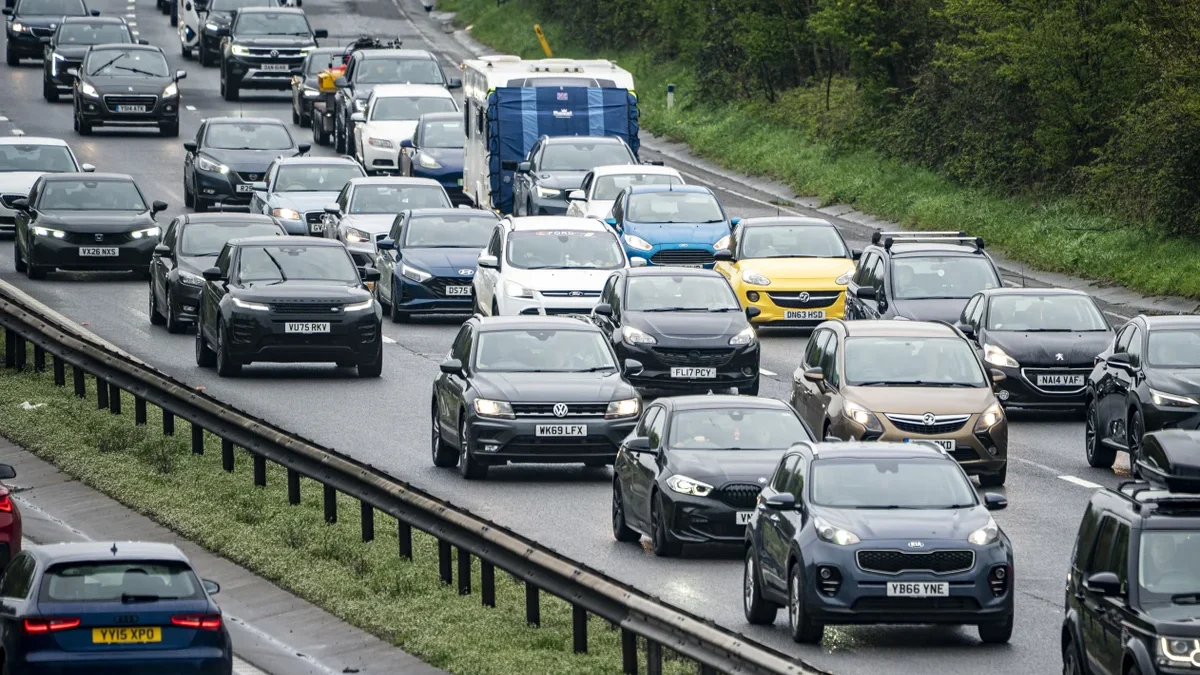
Ignore sat nav diversions to unfamiliar – UK motorists are now being advised to resist the temptation of following GPS navigation prompts that redirect them onto less-traveled countryside paths, particularly when traffic is heavy. This recommendation comes from IAM RoadSmart, a prominent road safety charity, which is highlighting the growing risk associated with these unplanned detours. The organization’s latest survey reveals that a significant portion of drivers are being rerouted onto rural roads to bypass congestion on motorways, dual carriageways, and other major A-roads. While such diversions may seem like a practical solution, the charity warns that they could expose drivers to increased danger, especially on routes they are not accustomed to.
Survey Highlights Rerouting Trends
According to the recent study conducted by research firm Online95 in February, 54% of motorists in the UK have experienced GPS-guided detours onto rural roads within the past year. This trend is particularly concerning given the disproportionate number of fatalities occurring on such routes. The Department for Transport (DfT) 2024 data underscores this issue, indicating that 60% of road deaths in Britain take place on rural roads, despite these roads carrying only 45% of the country’s total traffic volume. The disparity between traffic volume and fatality rates has sparked urgent calls for better planning and infrastructure upgrades.
Speaking on the matter, Nicholas Lyes, IAM RoadSmart’s director of policy, emphasized the critical need for drivers to evaluate the risks before taking these alternative routes. “Every year, more people are killed on rural roads than any other road type, yet we are witnessing a surge in drivers opting for unplanned diversions to use them,” he said. Lyes pointed out that while congestion is an unavoidable reality, the decision to divert onto unclassified or single-track roads should be weighed carefully against the potential hazards involved.
Hidden Dangers of Rural Roads
IAM RoadSmart has identified several factors that contribute to the heightened risk on rural roads. These include the presence of agricultural vehicles, which often operate at slower speeds and can create unexpected obstacles for faster-moving traffic. Narrow lanes and limited visibility due to roadside foliage further compound the danger, making it easier for drivers to misjudge distances or swerve into oncoming traffic. Additionally, rural roads typically lack the infrastructure of urban highways, such as traffic lights, clear signage, and emergency response capabilities, which can lead to more severe accidents when things go wrong.
The charity’s warning is especially relevant in light of the ongoing reliance on smart motorways to manage traffic flow. These motorways, which convert hard shoulders into active lanes to increase capacity, have been in operation since 2014. However, their expansion was paused in April 2023 when then-Prime Minister Rishi Sunak announced the cancellation of all future projects due to safety concerns. This decision has left many drivers without the benefit of additional capacity, pushing them toward rural roads as an alternative. Without sustained investment in major roads, the charity fears that this pattern will continue, resulting in more traffic on already strained rural networks.
The Impact of Unplanned Diversion
Lyes also highlighted the cascading effect of these GPS-guided routes. “When one driver takes an unexpected diversion, it often sets off a chain reaction, with others following suit, leading to traffic volumes far exceeding what the road was originally designed to handle,” he explained. This can create dangerous situations where rural roads, already prone to congestion, are further overloaded. The charity argues that such diversions are not always necessary, as many drivers may overestimate the time saved by using a less-traveled path while underestimating the risks it entails.
One of the primary concerns is the lack of familiarity drivers have with these remote routes. “Rural roads are often underappreciated in terms of their complexity and hazards,” said Lyes. “Drivers who are not accustomed to their conditions may struggle with sudden bends, narrow shoulders, and limited passing opportunities, all of which can lead to accidents.” The charity’s research underscores that these roads, while scenic and tranquil, can become high-risk corridors when used as a substitute for more efficient transport networks. As a result, they are urging drivers to reconsider their options and prioritize safety over convenience.
A Call for Strategic Infrastructure Investment
The plea from IAM RoadSmart is part of a broader campaign to address the growing strain on rural roads. The charity is advocating for increased capacity on major highways, such as motorways and dual carriageways, to reduce the need for diversions. This approach would not only mitigate the risk of accidents but also ensure that rural roads are not overburdened with traffic that exceeds their design limits. Lyes emphasized that without such measures, the trend of diverting onto these routes is likely to intensify, with potentially catastrophic consequences.
“Traffic growth shows little sign of slowing down, and without a clear commitment to expand the strategic road network, we may see more and more drivers filtering onto rural roads,” he warned. This could lead to a situation where the already vulnerable rural road system is pushed to its limits, increasing the likelihood of collisions and reducing the time available for emergency responders to intervene. The charity is calling on policymakers to prioritize infrastructure development, ensuring that the roads used by the majority of drivers are equipped to handle the growing demand.
Broader Implications for Road Safety
While the focus is on rural roads, the issue has broader implications for overall road safety. The data from the DfT shows that despite accounting for just 45% of traffic, these roads are responsible for 60% of fatalities, a statistic that raises questions about the effectiveness of current road design and maintenance strategies. IAM RoadSmart argues that this discrepancy is partly due to the lack of investment in rural infrastructure, which has not kept pace with the rising number of vehicles using these routes. As a result, the charity is pushing for a more comprehensive approach to road safety that includes both technological improvements and physical upgrades.
The survey, which included responses from 1,042 UK motorists and 114 IAM RoadSmart motorbike riders, provides a snapshot of current driver behavior. It reveals that many people are relying heavily on GPS navigation to avoid congestion, even if it means taking on unfamiliar terrain. This reliance on technology, while convenient, may be contributing to a shift in traffic patterns that is putting rural roads under greater stress. As Lyes noted, “Congestion is inevitable, but we would encourage drivers to question whether a diversion onto a remote path is worth the risk, especially when time savings are marginal.”
In conclusion, the growing trend of GPS-guided diversions onto rural roads has sparked a critical debate about road safety and infrastructure planning. While these detours may offer temporary relief from traffic, they expose drivers to a range of hazards that can have serious consequences. IAM RoadSmart’s warning serves as a reminder that the road network must be designed with both efficiency and safety in mind, particularly as the demand for mobility continues to rise. By rethinking the way we approach traffic management, the UK can work towards reducing the number of accidents on its rural roads and ensuring that all drivers are better protected.
“Every year, more people are killed on a rural road than any other road type, yet worryingly we’re seeing a high number of people taking unplanned diversions to use them. Congestion is inevitable, but we would encourage people to question if a diversion onto an unclassified or single-track route is worth saving a few minutes, considering the increased hazards they might face.” – Nicholas Lyes, IAM RoadSmart Director of Policy