Our skin is more than just a protective outer layer; it's our body's largest organ and a visible indicator of our overall health. When it's healthy, it's a source of confidence. But when problems arise, they can be worrying, uncomfortable, and sometimes even debilitating. Understanding the vast world of common skin diseases and their causes is the first step toward effective management and peace of mind. This comprehensive guide will explore the primary factors behind prevalent skin conditions, from genetic predispositions and immune system malfunctions to environmental triggers and infectious agents, providing you with a clearer picture of what might be happening beneath the surface. Understanding the Basics of Skin Diseases Before diving into specific conditions, it's essential to understand what constitutes a skin disease. Broadly, a skin disease, or dermatological condition, is any medical issue that affects the integumentary system—the system comprising the skin, hair, nails, and related glands. These conditions can cause a wide array of symptoms, including rashes, inflammation, itchiness, pain, changes in skin color, or abnormal growths. The impact of these diseases is often more than skin deep. They can significantly affect a person's self-esteem, mental health, and overall quality of life, making accurate information and proper care incredibly important. The causes of skin diseases are incredibly diverse and often multifactorial, meaning several factors can contribute to a single condition. They can be broadly categorized into several groups. Genetic predispositions play a significant role in conditions like eczema and psoriasis, where a person inherits genes that make them more susceptible. The immune system is another major player; in autoimmune skin diseases, the body mistakenly attacks its own healthy skin cells. Furthermore, environmental factors such as allergens, irritants, sun exposure, and even stress can trigger or exacerbate many skin problems. Finally, infectious agents like bacteria, viruses, fungi, and parasites are responsible for a large number of contagious skin ailments. It's also crucial to recognize the complexity and overlap between these causes. For instance, a person with a genetic predisposition to eczema might experience a flare-up only when exposed to a specific environmental irritant, such as a harsh soap or a change in weather. Similarly, a weakened immune system can make a person more vulnerable to bacterial or fungal infections. This intricate interplay is why diagnosing a skin condition is not always straightforward and why a "one-size-fits-all" approach to treatment is rarely effective. Understanding these underlying mechanisms is the cornerstone of dermatological science and the key to developing targeted, personalized treatment plans. Inflammatory Skin Conditions: When the Body's Defenses Go Awry Some of the most common and chronic skin disorders are inflammatory in nature. These conditions occur when the body's immune system becomes overactive or misdirected, leading to chronic inflammation, redness, swelling, and discomfort. While they are not contagious, they often have a genetic component and can be triggered by a variety of internal and external factors. Managing these conditions typically involves reducing inflammation and avoiding known triggers. Eczema (Atopic Dermatitis) Eczema, with atopic dermatitis being its most common form, is a condition characterized by dry, itchy, and inflamed skin. It often begins in childhood but can persist into or even start in adulthood. The hallmark symptom is an intense itch that, when scratched, leads to a red, weeping, or scaly rash—a cycle often referred to as the "itch-scratch cycle." This condition can appear anywhere on the body but is commonly found in the crooks of the elbows and knees, as well as on the hands, face, and neck. The causes of eczema are a classic example of a complex interplay between genetics and environment. Many individuals with eczema have a genetic mutation in the gene responsible for creating filaggrin, a protein that helps maintain a healthy protective barrier on the skin. Without a sufficient amount of filaggrin, the skin loses moisture more easily and becomes more vulnerable to allergens and irritants. This compromised skin barrier, combined with an overreactive immune system that responds aggressively to these irritants, leads to the characteristic inflammation and itching of an eczema flare-up. Common triggers include dry air, harsh soaps, certain fabrics like wool, food allergies, and stress. Psoriasis Psoriasis is a chronic autoimmune disease that accelerates the life cycle of skin cells. Normally, skin cells grow and shed in about a month. In people with psoriasis, this process happens in just a few days. Because the body can't shed these excess cells quickly enough, they pile up on the surface of the skin, forming thick, red, inflamed patches covered with silvery scales. These patches, known as plaques, can be itchy and sometimes painful. The most common type is plaque psoriasis, but other forms can affect the scalp, nails, and even the joints (psoriatic arthritis). The root cause of psoriasis lies within the immune system, specifically with T-cells, a type of white blood cell. In individuals with psoriasis, these T-cells are mistakenly triggered and become overactive. They begin to attack healthy skin cells as if they were fighting an infection or healing a wound. This autoimmune attack causes the rapid skin cell production and inflammation seen in psoriasis. Genetics play a strong role; if a close family member has psoriasis, your risk is higher. Triggers that can cause a flare-or even the initial onset—include stress, injury to the skin (known as the Koebner phenomenon), certain medications (like beta-blockers), and infections, particularly strep throat. Rosacea Rosacea is a common skin condition that causes persistent redness and visible blood vessels in the face. It may also produce small, red, pus-filled bumps. These signs and symptoms may flare up for weeks to months and then go away for a while. Rosacea is often mistaken for acne, an allergic reaction, or other skin problems. It is most common in middle-aged women with fair skin, but it can affect anyone. Over time, it can cause the skin, particularly on the nose, to thicken and enlarge, a condition known as rhinophyma. The exact cause of rosacea remains a mystery, but researchers believe it's a combination of hereditary
How to Improve Sleep Quality Naturally: A Simple Guide
In our fast-paced, always-on world, a good night's sleep often feels like a luxury rather than a necessity. Yet, the quality of our sleep directly impacts every facet of our lives, from mental clarity and emotional stability to physical health and immune function. Many people turn to quick fixes or medication, but understanding how to improve sleep quality naturally is the key to achieving sustainable, long-term restorative rest. This simple guide will walk you through evidence-based, natural strategies to transform your nights and energize your days, helping you unlock the profound benefits of truly deep and restful sleep. 1. Optimize Your Sleep Environment for Restful Nights Your bedroom should be a sanctuary for sleep, not a multi-purpose room for work, entertainment, and stress. The environment in which you sleep sends powerful signals to your brain, either encouraging relaxation or promoting alertness. An optimized sleep environment is dark, quiet, and cool, creating the ideal conditions for your body to produce melatonin—the hormone that governs your sleep-wake cycle. Think of it as setting the stage for a great performance; without the right props and lighting, the show can't go on as planned. Creating this sanctuary involves a conscious effort to eliminate disruptions. This means addressing sources of light, noise, and uncomfortable temperatures. Even minor disturbances can fragment your sleep, pulling you out of deep, restorative stages without you even realizing it. Over time, these micro-awakenings accumulate, leaving you feeling tired and unrefreshed, even after spending eight hours in bed. The goal is to design a room so conducive to rest that falling asleep becomes an effortless, natural process. Making these changes doesn't have to be expensive or complicated. Simple adjustments like using blackout curtains, wearing an eye mask, or utilizing a white noise machine can have a significant impact. The investment you make in creating a proper sleep environment is an investment in your overall health and well-being. It's one of the most effective and foundational steps you can take to reclaim your nights and improve your quality of life. 1. Control Light Exposure Light is the most potent regulator of our internal body clock, or circadian rhythm. Exposure to light, particularly blue light emitted from electronic screens (phones, tablets, TVs, computers), suppresses the production of melatonin. This tricks your brain into thinking it's still daytime, making it difficult to wind down and fall asleep. Darkness, on the other hand, signals to your pineal gland that it's time to release melatonin, preparing your body for rest. To harness the power of darkness, make your bedroom as pitch-black as possible. Invest in high-quality blackout curtains or blinds to block out streetlights and early morning sun. Cover or remove any electronics with glowing indicator lights, such as digital clocks or charging devices. If complete darkness is unattainable, a comfortable sleep mask is an excellent and affordable alternative. By minimizing light exposure in the hours leading up to and during bedtime, you are providing a clear, unambiguous signal to your brain that it's time to sleep. 2. Set the Ideal Room Temperature Your body temperature naturally fluctuates throughout a 24-hour period, dropping slightly as you prepare for sleep and reaching its lowest point in the early morning. A cool room facilitates this natural temperature drop, promoting sleep onset and helping you stay asleep. A room that is too hot can interfere with this process, leading to restlessness, frequent awakenings, and a decrease in slow-wave (deep) and REM sleep. Most sleep experts and scientific studies recommend a bedroom temperature between 60 to 67 degrees Fahrenheit (15 to 19 degrees Celsius) for optimal sleep. This may feel a bit chilly at first, but it creates the perfect conditions for your body's thermoregulation process. You can achieve this with an air conditioner, a fan, or by opening a window in cooler weather. Additionally, choosing breathable bedding made from natural fibers like cotton, bamboo, or linen can help wick away moisture and prevent you from overheating during the night. 2. Establish a Consistent Sleep-Wake Cycle Consistency is perhaps the single most important factor in regulating your sleep. Your body thrives on routine, and your circadian rhythm is no exception. By going to bed and waking up at the same time every day—yes, even on weekends—you reinforce a stable sleep-wake cycle. This helps your body anticipate when to release sleep-inducing hormones like melatonin and alerting hormones like cortisol, making it easier to fall asleep at night and wake up feeling refreshed in the morning. When your sleep schedule is erratic, you effectively give your body a form of "social jetlag." Sleeping in on weekends, for example, can shift your internal clock, making it difficult to get up on Monday morning and fall asleep on Sunday night. While it's tempting to "catch up" on sleep, this pattern often does more harm than good by constantly disrupting your body's natural rhythm. A consistent schedule is the anchor that keeps your internal clock synchronized with the 24-hour day. Over time, a disciplined sleep schedule can become so ingrained that you may find yourself waking up naturally just before your alarm, a sign that your body clock is finely tuned. This regularity not only improves sleep quality but also enhances daytime alertness, mood, and cognitive function. It's a powerful, free, and entirely natural tool at your disposal. 1. Go to Bed and Wake Up at the Same Time The key to a strong circadian rhythm is repetition. Choose a bedtime and wake-up time that allows for 7-9 hours of sleep and stick to it religiously. It can be helpful to set a "bedtime alarm" an hour before you intend to sleep as a reminder to start your wind-down routine. This consistency trains your brain to recognize your desired sleep window, making the transition from wakefulness to sleep smoother and more predictable. Initially, this may be challenging, especially if your current schedule is irregular. You might find it hard to feel sleepy at your new bedtime or difficult to get out of bed in
The Legacy of Assata Shakur: From Activist to Fugitive
In a world where news cycles are dominated by fleeting headlines, from the latest Ryder Cup standings to the anticipation of a major college football matchup like Florida State vs Virginia, some stories endure with a fierce and unwavering intensity. The life and legacy of Assata Shakur is one such story. A figure of immense controversy and a symbol of radical resistance, her journey from a civil rights activist to one of the FBI’s Most Wanted fugitives encapsulates some of the most turbulent and divisive periods in modern American history. The recent reports of her passing in Cuba do not quiet the debate surrounding her, but rather crystallize a legacy that is as contested today as it was decades ago. This article delves into the complex narrative of the woman born Joanne Chesimard, exploring the events that shaped her ideology, the crime that defined her public image, and the enduring symbolism that keeps her story relevant. The Making of an Activist: The Early Life of Joanne Chesimard Joanne Deborah Byron was born in Queens, New York, in 1947, and later took her stepfather’s surname, Chesimard. Her early life was shaped by the racial and social dynamics of a segregated America. Raised primarily by her grandparents in Wilmington, North Carolina, before returning to New York, she was exposed to the stark realities of Jim Crow in the South and the more subtle, but no less potent, forms of racism in the North. This upbringing instilled in her a deep sense of social justice and an early awareness of systemic inequality, laying the foundational bricks for the activist she would later become. Her political awakening blossomed during her time at Manhattan Community College and later at the City College of New York. The 1960s were a period of immense social upheaval, with the Civil Rights Movement giving way to more radical calls for Black Power and self-determination. Chesimard was drawn into this vortex of political activism, participating in student sit-ins, protests against the Vietnam War, and movements for Black studies programs on college campuses. It was during this time that she began to question the efficacy of non-violent protest, believing that the system was inherently resistant to peaceful change and required more direct and confrontational methods. This ideological evolution culminated in a profound personal transformation. Rejecting her “slave name,” Joanne Chesimard adopted the name Assata Olugbala Shakur. Assata means she who struggles,Olugbala means love for the people, and Shakur means he thankful one." This name change was more than a symbolic gesture; it represented her full commitment to the cause of Black liberation and her alignment with revolutionary principles. It marked her definitive break from mainstream American society and her entry into a world of radical politics that would set her on a collision course with law enforcement. The Black Liberation Army and a Fateful Night Assata Shakur’s journey into radical activism led her to the Black Panther Party, but she eventually grew disillusioned with its direction and gravitated towards a more militant, underground offshoot: the Black Liberation Army (BLA). The BLA was not a formal, centralized organization but rather a clandestine movement composed of former Black Panthers and other revolutionaries who believed in armed struggle as a necessary tool for liberation. Their stated goal was to “take up arms for the liberation and self-determination of black people in the United States.” This path put them in direct and violent opposition to the U.S. government and law enforcement agencies. The defining moment of Shakur’s life, and the event that would forever seal her fate in the eyes of American justice, occurred on the night of May 2, 1973. Shakur, along with BLA members Zayd Malik Shakur and Sundiata Acoli, was pulled over by State Troopers on the New Jersey Turnpike for a broken taillight. What began as a routine traffic stop explosively escalated into a gunfight. In the chaotic exchange of fire, Trooper Werner Foerster and BLA member Zayd Malik Shakur were killed. Assata Shakur and Trooper James Harper were both wounded. The aftermath of the shootout was a maelstrom of conflicting narratives. Law enforcement and prosecutors portrayed Shakur as a cold-blooded killer who participated in the execution-style murder of a state trooper. Her supporters, however, argued that she was a victim of a targeted attack. They pointed to evidence suggesting her hands were raised when she was shot and that her injuries would have made it impossible for her to have fired a weapon. These opposing accounts became the bedrock of the division that would characterize her legacy: was she a violent terrorist or a revolutionary freedom fighter being framed by the state? Trial, Conviction, and a Daring Escape Following the New Jersey Turnpike incident, Assata Shakur became one of the most high-profile defendants in the country. Her legal journey was a convoluted series of trials on charges ranging from bank robbery to kidnapping, most of which ended in acquittals or dismissals. The central case, however, was the one for the murder of Trooper Werner Foerster. The Contentious Legal Battle The trial for the murder of Trooper Foerster was fraught with controversy from the beginning. Shakur’s defense team and supporters argued that the proceedings were politically motivated and that she could not receive a fair trial due to the intense media coverage and public sentiment against her. They raised significant questions about the forensic evidence, including medical testimony that suggested Shakur was shot with her arms in the air and that no gunpowder residue was found on her hands, making it unlikely she had fired a weapon. Despite these arguments, the prosecution built a compelling case for the jury. They presented testimony from the surviving trooper and argued that Shakur was an active participant in the shootout that led to Foerster’s death. In 1977, Assata Shakur was convicted of first-degree murder, assault, and other charges related to the shootout, and she was sentenced to life in prison. For her supporters, the verdict was a miscarriage of justice; for the state, it
Assata Shakur, FBI Fugitive, Confirmed Dead in Cuba
Assata Shakur, FBI Fugitive, Confirmed Dead in Cuba This article examines the recent reports that Assata Shakur has died in Cuba, and places that news alongside contemporary sports coverage — including the latest on ryder cup standings and the matchup florida state vs virginia — to show how major headlines and live sports narratives coexist in today’s news cycle. This piece synthesizes available reporting from major outlets while avoiding unverified details and speculation. Who Was Assata Shakur? Context and early life Assata Shakur was a high-profile and controversial figure in American history whose life intersected activism, criminal conviction, and international refuge. For readers encountering the name for the first time, the essentials are important: she was widely known as a member of the Black Liberation Army and later became an FBI fugitive. Multiple outlets reported that she died in Cuba and that the announcement was carried in late September 2025. Background and public identity Assata Shakur rose to public attention through her political activism and association with radical groups during a turbulent era of U.S. domestic politics. Her life story is frequently discussed in the context of civil rights, militant activism, and criminal justice debates. Media profiles typically emphasize both her activism and the criminal charges that shaped her later years in exile. Politics and identity shaped how different communities remembered her. Supporters characterized Shakur as a political activist and victim of political persecution, while critics focused on her criminal conviction and the killing of a state trooper. This duality made her a polarizing subject in news coverage and public memory. Cultural significance and references Shakur’s name also circulated in cultural contexts; she was referenced in music and literature, and some public figures noted personal connections — for example, popular reporting has noted a familial or personal tie in cultural circles. These references have reinforced her place as a symbol in broader debates over race, policing, and political dissent. Her story has continued to resonate in academic and community discussions about the United States’ handling of radical political movements, incarceration, and the treatment of fugitives who find refuge abroad. Media accounts consistently frame her life as emblematic of larger national tensions. Conviction, Fugitive Status, and FBI Designation The core legal facts that recur across major reports are consistent: Assata Shakur was convicted in connection with the death of a state trooper, later became a fugitive, and was placed on FBI lists. These elements are central to the recent reporting announcing her death. The conviction and its legal consequences News outlets report that Shakur was convicted in relation to the killing of a state trooper. That conviction created a long-standing legal case that remained unresolved in the sense that she did not serve the sentence domestically, having left the U.S. prior to completing legal proceedings tied to the case. The conviction is a permanent part of the public record cited by multiple sources. The conviction has informed decades of legal and diplomatic friction. For the U.S. justice system, the case represented a criminal matter; for communities and activists, it continued to represent contested narratives about law enforcement and protest-era violence. Fugitive status and federal pursuit Shakur’s status as a fugitive drew federal attention. Major outlets describe her as an FBI fugitive and note that she had been listed among persons of interest for federal law enforcement. That designation influenced how American authorities framed requests or diplomatic queries about her situation abroad. The FBI Most Wanted label (as reported in news summaries) meant the case retained visibility within law enforcement circles and the media for decades, even as the practical ability to enforce domestic sentences was complicated by international dimensions. International dimensions and the long-term picture Because Shakur spent years outside the United States, her case became entangled with international diplomacy and asylum dynamics. Media reports have avoided presenting new confidential details; instead they reiterate that she was living abroad and that foreign authorities have played a role in shaping the limits of U.S. jurisdiction. The death announcement in Cuba therefore does not simply close a legal chapter; it also prompts questions about how cross-border fugitive cases are handled and remembered in public discourse. Death in Cuba: Reporting, Confirmation, and Immediate Reactions Major U.S. outlets reported the death and attributed the announcement to Cuban authorities and other official sources. Coverage in late September 2025 confirmed that Assata Shakur had died in Cuba at age 78, according to reports. How the reports unfolded News organizations including CNN, NBC News, and Fox News ran stories stating that Shakur was confirmed dead in Cuba. Coverage emphasized the long arc of her life — from criminal conviction in the United States to years living abroad — and the significance of the death being confirmed by authorities in Havana. Reporters generally framed the story with factual summaries: conviction, fugitive status, and death in Cuba. Headlines and ledes emphasized the factual assertions without presenting undisclosed or speculative details about circumstances of death when such specifics were not available in the public reporting. Reactions across the political and social spectrum Initial public reactions were divided, reflecting longstanding debates about her legacy. Some commentators used the news to reiterate criticisms tied to her conviction; others reflected on her role as an emblem of resistance to perceived state violence. Media coverage captured both sets of responses while focusing on verifiable facts from official statements. Officials and legal commentators noted that any formal closure of legal matters would involve review of records and coordination across jurisdictions if relevant — but that was a procedural point, not a public move toward renewed prosecutions or extradition. Reporting constraints and responsible coverage Major newsrooms avoided asserting unverifiable details about the death itself when such specifics were not in their sources. Responsible reporting practice meant repeating confirmations from Cuban authorities and archival facts about her conviction and fugitive status, while refraining from inventing motive, method, or unreported timelines. Readers should note that while the death is reported consistently across outlets cited, many narrative elements tied
Early Signs of Heart Disease: Go Beyond Chest Pain
When you think of a heart attack, the image that often comes to mind is a dramatic scene from a movie: someone suddenly clutching their chest in excruciating pain. While severe chest pain is a critical sign, relying on it as the only indicator of heart trouble is a dangerous misconception. Many cardiovascular issues build up slowly over time, sending subtle, often confusing signals long before a major event occurs. Understanding what are the early signs of heart disease is crucial for early intervention and prevention. These whispers from your body can be easy to dismiss as signs of aging, stress, or a bad night’s sleep, but they are your heart’s way of asking for help. This article will guide you beyond the classic symptom of chest pain to uncover the less obvious, yet equally important, early warnings of heart disease. The Classic Sign We Can’t Ignore: Understanding Chest Discomfort While this article focuses on the less-obvious signs, it’s impossible to discuss heart disease without first addressing its most famous symptom: chest pain, medically known as angina. It’s important to understand that angina doesn’t always present as a sharp, stabbing pain. For many, it feels more like pressure, squeezing, fullness, or a heavy weight on the chest. This discomfort occurs when the heart muscle isn’t getting enough oxygen-rich blood, often due to narrowed or blocked arteries (coronary artery disease). This sensation can be triggered by physical exertion or emotional stress and typically subsides with rest. However, there’s a more dangerous form called unstable angina, which can occur even at rest and is a sign of an impending heart attack. The pain might not be localized just to the center of the chest; it can radiate. Ignoring any form of chest discomfort is a significant risk, as it’s one of the most direct communications from your heart that something is wrong. Differentiating heart-related chest pain from other causes like heartburn, muscle strain, or anxiety can be challenging. A key difference is that angina is often related to activity. If your chest feels tight every time you walk up a flight of stairs but feels better when you sit down, that is a major red flag. In contrast, pain that worsens when you press on your chest or take a deep breath is less likely to be heart-related. Regardless, self-diagnosis is never safe. Any new, unexplained, or worsening chest pain warrants an immediate conversation with a medical professional. Subtle Signals: The Unexpected Early Warnings Your heart is the engine of your body, and when it starts to struggle, the effects can be felt in surprisingly distant and diverse ways. These symptoms are often the true “early” signs because they can appear months or even years before a cardiac event. Learning to recognize these subtle signals is like learning a new language—your body’s language of distress. Paying attention can give you the crucial head start you need to seek treatment and make lifestyle changes. Many people, particularly those who are otherwise active, might dismiss these signs as simply being “out of shape” or “getting older.” However, a sudden or unusual change in your body’s ability to perform daily tasks should never be taken lightly. Your baseline for what feels “normal” is your best guide. If activities that were once easy now leave you breathless or exhausted, your body is sending a powerful message that needs to be investigated. These early warnings are your cardiovascular system’s check-engine light. They indicate that the system is under strain and not operating at peak efficiency. The sections below will break down these specific signs, explaining why they happen and what they feel like, so you can be better equipped to listen to what your body is telling you. 1. Unexplained Fatigue and Shortness of Breath (Dyspnea) Feeling tired after a long day or a strenuous workout is normal. But the fatigue associated with early heart disease is different. It’s a profound, persistent exhaustion that isn’t relieved by rest. You might feel tired upon waking up or find yourself completely drained after simple activities like grocery shopping or making the bed. This happens because a weakening heart can’t pump blood as efficiently. To compensate, the body diverts blood away from less vital areas like your limbs and muscles to support critical organs, leaving you feeling chronically weak and tired. Similarly, shortness of breath, or dyspnea, is a classic early sign. You might find yourself gasping for air after climbing a single flight of stairs or walking a short distance. This occurs for two main reasons. First, if your heart can’t pump blood effectively to the lungs, it can lead to fluid buildup, making it harder to breathe. Second, your body isn’t getting the oxygen it needs, so your lungs work overtime to compensate. If you experience shortness of breath while lying down that improves when you sit up, this is a particularly concerning sign of fluid in the lungs (pulmonary edema) and requires urgent medical attention. 2. Pain and Discomfort in Other Areas The nerves from your heart share pathways with nerves from other parts of your body. When the heart is in distress, the brain can misinterpret the pain signals, causing you to feel discomfort in other locations—a phenomenon known as referred pain. This is why a heart attack doesn’t always manifest as central chest pain. Many people, especially women, experience pain in other areas instead of, or in addition to, chest discomfort. Common areas for this referred pain include: The jaw, neck, or throat: Aching or tightness in the jaw is a surprisingly common symptom. The left arm or shoulder: This is the most well-known type of referred pain, but it can also occur in the right arm. The back: Pain or pressure between the shoulder blades is another frequent sign. The upper abdomen: Discomfort can mimic indigestion or heartburn. The key is that this pain, much like angina, is often triggered by exertion and relieved by rest. If
Joshua Jahn: Details Emerge in Dallas ICE Shooting
Of course. Here is the SEO-optimized article based on your instructions. — The digital news cycle of September 24, 2025, was a stark reflection of a nation grappling with multiple, disparate realities at once. While breaking news alerts detailed a tragic shooting at a Dallas ICE facility that left a detainee named Joshua Jahn dead, the cultural discourse was simultaneously dissecting a controversial Jimmy Kimmel monologue from the night before. Elsewhere, in the world of sports, fans were eagerly anticipating the upcoming clash between Inter Miami – NYC FC, a testament to how life, in its many forms, continues even amidst tragedy. This complex tapestry of events—spanning from critical national security incidents to entertainment controversies and major sporting events—underscores the fragmented yet interconnected nature of modern information consumption, where a single day’s headlines can evoke a full spectrum of human emotion. In a shocking event that has once again placed the security of federal facilities under intense scrutiny, a shooting incident at a U.S. Immigration and Customs Enforcement (ICE) processing center in Dallas, Texas, has resulted in significant casualties. The event, which unfolded on the morning of September 24, 2025, has left one detainee deceased and two others injured, according to official statements. The deceased has been identified as Joshua Jahn, a name that is now central to a rapidly expanding federal investigation. The incident has sent ripples through the political landscape, igniting familiar debates about immigration policy, law enforcement, and the safety of both federal agents and those in their custody. The immediate aftermath saw a swift and massive response from local and federal law enforcement agencies, who quickly secured the perimeter and placed the facility on lockdown. The focus has now shifted from tactical response to a meticulous investigation aimed at understanding the motive and sequence of events that led to this deadly confrontation. As authorities work to piece together the timeline, the public is left with pressing questions about the vulnerabilities of such high-security locations and the circumstances that led to the tragic death of Joshua Jahn. This incident serves as a grim reminder of the volatile tensions surrounding immigration enforcement in the United States. Federal facilities like the one in Dallas are often flashpoints in a broader national debate, making them potential targets for violence. The Department of Homeland Security (DHS) and the Federal Bureau of Investigation (FBI) have taken the lead in the case, signaling the gravity of an attack within a federal jurisdiction. The coming days will be critical as more details are expected to emerge, shaping the narrative and the policy discussions that will inevitably follow. The Developing Investigation: Piecing Together the Tragedy In the wake of the shooting, a multi-agency investigation has been launched to uncover the full scope of the incident. Led by the FBI, in close coordination with the Dallas Police Department and the Department of Homeland Security, the inquiry is focused on answering fundamental questions: Who was the shooter, what was the motive, and how did a weapon get inside a secure federal facility? Investigators are meticulously gathering evidence, including surveillance footage, forensic data, and eyewitness testimonies from staff and other detainees who witnessed the chaotic event unfold. The process is deliberately slow and methodical, as releasing premature or unverified information could compromise the investigation or lead to dangerous public speculation. Law enforcement officials have been tight-lipped, providing only confirmed details such as the number of casualties and the identity of the deceased detainee, Joshua Jahn. This controlled flow of information is standard procedure in high-profile federal cases, but it also creates a vacuum that is often filled with rumors and unofficial theories on social media and across news platforms, adding another layer of complexity for officials to manage. The very nature of the location—an ICE detention center—complicates the investigation further. It requires investigators to navigate the sensitive environment of a facility housing individuals from various backgrounds, many of whom may be distrustful of authority. Gaining cooperation and credible accounts from a vulnerable population is a delicate task, but it is essential for establishing a clear and accurate picture of what transpired. The success of this investigation hinges on the ability of law enforcement to build a comprehensive case based on hard evidence, which will be crucial for any future legal proceedings and for implementing preventative measures. Official Statements and Eyewitness Accounts In the hours following the shooting, official statements began to paint a preliminary picture of the gravity of the situation. The initial confirmation came from ICE officials, who reported one fatality and two injuries among the detainee population. This was later followed by a strong denouncement from Department of Homeland Security Secretary Kristi Noem. Speaking on The Ingraham Angle, Noem condemned the violence against law enforcement and the breach of security, stating that authorities must do "everything" to ensure such an event never happens again. Her words underscored the high stakes involved and set a determined tone for the federal response. While official statements provide a framework, the granular details often come from eyewitnesses. Investigators are currently interviewing ICE staff, security personnel, and the detainees who were present during the attack. These firsthand accounts are vital for reconstructing the sequence of events, identifying the perpetrator(s), and understanding the dynamics within the facility leading up to the shooting. However, these accounts can also be contradictory and colored by the trauma of the experience, requiring careful corroboration with physical evidence and video footage to form a reliable narrative. The process of vetting these testimonies is a cornerstone of the ongoing investigation. The Victim: Who Was Joshua Jahn? At the heart of this tragedy is Joshua Jahn, the detainee who lost his life in the attack. As of now, information about him remains scarce, with authorities focusing on the criminal investigation rather than releasing personal details about the victims. What is known is that he was in the custody of ICE at the Dallas facility at the time of the shooting. His identity has transformed him from an anonymous
What Is a Rare Genetic Disorder? An Expert Explains
In a world where medicine often focuses on common ailments like the flu or high blood pressure, there exists a vast, complex, and often overlooked universe of health conditions. These conditions affect millions of people worldwide, yet many have never heard of them. They are the "rare diseases," a category where the journey to a diagnosis can be long and arduous, and the path to treatment is frequently uncharted. The fundamental question for patients, families, and even many healthcare providers is, what is considered a rare genetic disorder? This question opens the door to understanding a significant and challenging area of human health, defined not just by its infrequency but by the unique genetic blueprints that cause it. This expert guide will demystify the world of rare genetic disorders, from their official definitions to the profound impact they have on human lives. Defining "Rare": A Matter of Numbers and Geography The term "rare" can feel subjective, but in the medical and regulatory world, it has a precise definition. These definitions are crucial because they unlock pathways for research funding, drug development, and patient support. However, the exact number that qualifies a disease as rare varies by country or region, creating a slightly different landscape depending on where you live. This numerical threshold is the first step in understanding the scope of these conditions. In the United States, the Orphan Drug Act of 1983 provides the benchmark. A disease is considered rare if it affects fewer than 200,000 people in the U.S. population. This legislation was a landmark achievement, creating financial incentives (like grants, tax credits, and market exclusivity) for pharmaceutical companies to develop "orphan drugs"—treatments for these small patient populations that might otherwise be ignored due to a lack of commercial profitability. Meanwhile, the European Union has a different, prevalence-based definition. A disease is defined as rare when it affects no more than 1 in 2,000 people. While the numbers seem different, both definitions serve the same purpose: to identify conditions that require special attention and resources. The paradox of rare diseases is that while each one is individually uncommon, collectively, they are not. It's estimated that there are over 7,000 identified rare diseases, and together they affect an estimated 300 million people worldwide. This means that nearly 1 in 10 people in some countries may be living with a rare disorder. The Genetic Foundation: When the Blueprint Has a Flaw The vast majority—about 80%—of rare diseases are genetic in origin. This means they are caused by an anomaly or "mutation" in an individual's DNA. Our DNA contains thousands of genes, each acting as a specific instruction for building and maintaining our bodies. When a gene is altered, the instruction it provides can become faulty, leading to a protein that doesn't work correctly or isn't produced at all. This single error can have cascading effects throughout the body, resulting in a genetic disorder. Understanding the genetic basis is key to diagnosis, family planning, and the development of future therapies. These disorders are not caused by lifestyle choices or environmental factors alone; they are written into a person's biological code from conception. The nature of the genetic change and how it is passed through families determines the type and characteristics of the disorder. 1. The Different Types of Genetic Mutations Genetic disorders arise from different kinds of errors in our DNA. Scientists categorize them into three main groups, which helps in diagnosing the condition and understanding its potential severity. Each type of mutation affects the genetic code in a unique way. Single-Gene Disorders: As the name suggests, these disorders are caused by a mutation in a single gene. They are often the most "straightforward" to trace through families because they follow predictable inheritance patterns. Think of a gene as a single recipe in a massive cookbook. If one critical recipe has a typo, the resulting dish (a protein) will be flawed. Examples of single-gene disorders include Cystic Fibrosis, Huntington's Disease, and Sickle Cell Anemia. Chromosomal Disorders: These occur when there is a change in the structure or number of chromosomes. Chromosomes are the structures that hold our genes, like volumes in a library. A chromosomal disorder can involve a missing chromosome, an extra chromosome (like in Down Syndrome, which is caused by an extra copy of chromosome 21), or large-scale deletions or rearrangements of a chromosome segment. These changes affect hundreds or even thousands of genes simultaneously, often leading to a wide range of developmental and health issues. Complex or Multifactorial Disorders: These are the most complicated. They result from a combination of mutations in multiple genes interacting with environmental factors and lifestyle choices. While a person may be genetically predisposed to a condition, it might not manifest without certain environmental triggers. Many common chronic diseases like heart disease and diabetes are multifactorial, but so are some rare conditions. This complexity makes them much harder to diagnose and predict. 2. Understanding Inheritance Patterns How a genetic disorder is passed from one generation to the next is described by its inheritance pattern. This is a critical piece of information for families, as it helps determine the risk of future children being affected. Genetic counselors specialize in explaining these complex patterns. Autosomal Recessive: For a person to have a disorder with this inheritance pattern, they must inherit two copies of the mutated gene—one from each parent. The parents are typically "carriers," meaning they have one copy of the mutation but do not show symptoms of the disorder. With each pregnancy, there is a 25% chance the child will have the disorder, a 50% chance they will be a carrier like the parents, and a 25% chance they will inherit two normal genes. Cystic Fibrosis is a classic example. Autosomal Dominant: In this case, only one copy of the mutated gene is needed to cause the disorder. A person with the condition has a 50% chance of passing the mutated gene (and thus the disorder) to each child. The gene is "dominant" over
The Ultimate Healthy Diet Plan for Active Men (2024)
— In a world that constantly demands peak performance, an active man's body is his greatest asset. Whether you're hitting the gym, crushing it on the running trail, or engaging in competitive sports, what you put into your body is just as important as the effort you exert. A generic diet simply won't cut it. You need a targeted nutritional strategy designed to fuel your activity, build lean muscle, and accelerate recovery. This is precisely where a dedicated healthy diet plan for active men becomes not just beneficial, but absolutely essential for unlocking your full potential. This comprehensive guide will break down everything you need to know to build a sustainable and powerful eating regimen that supports your active lifestyle in 2024 and beyond. Understanding the Unique Nutritional Needs of Active Men An active man is a high-performance machine, and like any machine, it requires premium fuel. The physiological demands of regular, intense physical activity mean your nutritional requirements are significantly different from those of a sedentary individual. Your metabolism runs at a higher rate, not just during exercise but for hours afterward, a phenomenon known as excess post-exercise oxygen consumption (EPOC). This elevated metabolic rate means you burn more calories throughout the day and require a greater overall energy intake to maintain your weight and energy levels. Furthermore, every workout creates microscopic tears in your muscle fibers. This is a natural and necessary process for muscle growth, but it requires a steady supply of specific nutrients, primarily protein, to repair and rebuild those fibers stronger than before. Without adequate nutrition, this recovery process is hindered, leading to fatigue, poor performance, and an increased risk of injury. A proper diet plan ensures your body has all the raw materials it needs for this crucial cycle of breakdown and repair, allowing you to consistently train hard and see results. Beyond just energy and muscle repair, the increased physical stress on an active man’s body elevates the need for various micronutrients. You lose essential electrolytes like sodium and potassium through sweat, and the increased energy production can deplete B vitamins. Minerals like magnesium and zinc become critical for muscle function and hormone regulation, respectively. Ignoring these details can lead to performance plateaus and long-term health issues. Therefore, a successful diet plan must be holistic, addressing not just the macronutrients (protein, carbs, and fats) but also the vital micronutrients that support every bodily function. The Core Components of Your Diet Plan: Macronutrients Macronutrients are the cornerstone of any diet, providing the energy and building blocks your body needs to function. For an active man, the ratio and quality of these "macros" are paramount. Understanding the role of each one allows you to tailor your intake for specific goals, whether it's building mass, improving endurance, or shedding fat. Protein: The Building Block of Muscle Protein is arguably the most crucial macronutrient for an active man. Its primary role is to provide the amino acids necessary for muscle protein synthesis—the process of repairing and building new muscle tissue. After a strenuous workout, your body is in a state of breakdown; consuming adequate protein flips the switch to a state of rebuilding. This is non-negotiable for anyone looking to increase strength, improve body composition, or simply recover effectively between training sessions. The question of "how much" protein is critical. General guidelines for active men range from 1.6 to 2.2 grams of protein per kilogram of body weight (or about 0.7 to 1.0 grams per pound). For an 80kg (176 lbs) man, this translates to 128-176 grams of protein per day. Spreading this intake throughout the day—in 4-5 meals or snacks—is more effective than consuming it in one or two large meals, as it keeps a steady supply of amino acids available for your muscles. Focus on high-quality, complete protein sources that contain all essential amino acids. Lean Meats: Chicken breast, turkey, lean cuts of beef and pork. Fish: Salmon, tuna, cod, and sardines (rich in omega-3s). Eggs: A nutritional powerhouse, providing high-quality protein and essential nutrients. Dairy: Greek yogurt, cottage cheese, milk, and whey protein supplements. Plant-Based Options: Lentils, chickpeas, black beans, tofu, tempeh, and quinoa. Carbohydrates: The Primary Fuel Source Carbohydrates have been unfairly villainized in many fad diets, but for an active man, they are the primary and most efficient source of fuel. When you consume carbohydrates, your body breaks them down into glucose, which is either used immediately for energy or stored in your muscles and liver as glycogen. During exercise, especially high-intensity activities, your body relies heavily on these glycogen stores to power your performance. Depleted glycogen is a primary cause of hitting “the wall” during endurance events. The key is to choose the right kind of carbohydrates. Focus on complex carbohydrates, which are digested more slowly and provide a sustained release of energy. These are typically higher in fiber, vitamins, and minerals. Simple carbohydrates (like sugary drinks and processed snacks) can be useful for a quick energy boost right before or during a long workout, but they should not form the bulk of your intake. Aim to consume most of your carbohydrates around your workouts to ensure your energy stores are topped off and replenished efficiently. Whole Grains: Oats, brown rice, quinoa, whole-wheat bread, and pasta. Starchy Vegetables: Sweet potatoes, potatoes, corn, and peas. Legumes: Lentils, beans, and chickpeas. Fruits: Bananas, berries, apples, and oranges provide quick-digesting carbs and valuable micronutrients. Healthy Fats: More Than Just Calories Fat is the most calorie-dense macronutrient, but its role extends far beyond just providing energy. Healthy fats are essential for a number of critical bodily functions, including the production of key hormones like testosterone, which is vital for muscle growth, energy levels, and overall male health. Fats also play a crucial role in absorbing fat-soluble vitamins (A, D, E, and K) and maintaining the health of your cells and brain. Avoiding fat is a common mistake that can sabotage your health and performance. The focus should be on incorporating unsaturated fats (monounsaturated and
Remembering Brett James: ‘Jesus, Take the Wheel’ Writer
The world of country music is in mourning today. On a day marked by significant developments, from major policy shifts concerning the H1B visa to the tragic and sudden loss of Grammy-winning songwriter Brett James and pilot Travis Decker in a devastating plane crash, the industry and its fans are grappling with a profound sense of loss. James, the lyrical genius behind some of modern country’s most enduring anthems, has left an indelible mark on the hearts of millions. This article serves as a tribute to his life, his incredible body of work, and the legacy he leaves behind. A Titan of Country Music: The Life and Career of Brett James Brett James was not just a songwriter; he was a storyteller for a generation. A recipient of the prestigious Grammy Award, his name is synonymous with the heart and soul of Nashville’s music scene. For decades, he was the silent force behind the radio waves, crafting lyrics and melodies that became the soundtrack to countless lives. His ability to distill complex human emotions—love, loss, faith, and hope—into a three-minute song was a rare and precious gift. He was a master craftsman, respected by his peers and adored by the artists who turned his words into chart-topping hits. His journey into the upper echelons of songwriting was one of passion and persistence. While many knew him for his prolific output, his path was built on years of honing his craft, countless writing sessions, and an unwavering belief in the power of a good song. He navigated the competitive landscape of the music industry with a quiet confidence, letting his work speak for itself. This dedication paid off, establishing him as one of the most sought-after and reliable hitmakers in Nashville, a city built on the very foundation of masterful songwriting. The influence of Brett James extends far beyond the number of awards on his shelf or the plaques on his wall. He helped define the sound of contemporary country music, blending traditional storytelling with modern sensibilities. His compositions were versatile, fitting seamlessly into the repertoires of a wide range of artists, from powerhouse vocalists to seasoned country rockers. His legacy is not just in the songs he wrote, but in the artists he elevated and the genre he helped shape. He was a pillar of the creative community, and his absence will be felt for years to come. The Legacy in Lyrics: A Look at His Most Iconic Hits When discussing the monumental career of Brett James, one song inevitably comes to the forefront: “Jesus, Take the Wheel.” This powerful ballad, which launched Carrie Underwood into superstardom, became more than just a hit; it became a cultural phenomenon. It resonated deeply with listeners from all walks of life, offering a message of surrender and faith in times of crisis. The song’s massive success, including its Grammy win for Best Country Song, was a testament to James’s unparalleled ability to tap into the universal human experience. But to define Brett James by a single song, however iconic, would be to overlook the staggering breadth and depth of his catalog. He was a hit machine, penning hundreds of songs for some of the biggest names in music. His work consistently topped the charts, demonstrating a remarkable versatility and an innate understanding of what makes a song not just good, but unforgettable. He was the secret ingredient behind many artists’ greatest successes, a testament to his collaborative spirit and his genius for melody and rhyme. His catalog includes a diverse array of hits that showcase his range as a writer. Whether it was an upbeat summer anthem, a heart-wrenching ballad, or a song of deep spiritual reflection, James could do it all. His contributions have become a fundamental part of the country music canon. Some of his notable works include: Songs that became career-defining moments for artists. Tracks that dominated country radio for weeks on end. Lyrics that have been quoted, shared, and tattooed by devoted fans. The Story Behind Jesus, Take the Wheel The song “Jesus, Take the Wheel” is a masterclass in narrative songwriting. It tells the vivid story of a young mother facing a moment of sheer terror, a situation that forces her to let go of control and place her trust in a higher power. This narrative structure, combined with its powerful emotional core, is what made the song so incredibly effective. It wasn’t just a song about faith; it was a story about a moment of profound, life-altering vulnerability that anyone could understand, regardless of their personal beliefs. Its impact was immediate and long-lasting. The song not only secured a Grammy for Brett James and his co-writers but also solidified Carrie Underwood’s place as a country music powerhouse following her American Idol win. It transcended the country charts, becoming a crossover hit and an anthem of hope for millions. The song remains a cornerstone of modern country music, a perfect example of how a well-told story, set to the right melody, can move the world. It cemented James’s reputation as a writer who could deliver not just hits, but timeless classics. A Chart-Topping Pen: Beyond the Signature Song While “Jesus, Take the Wheel” may be his most famous creation, Brett James’s discography is a veritable “greatest hits” collection of 21st-century country music. His consistency was astounding, and his work with a diverse roster of artists highlights his adaptable talent. He understood how to write for an artist, tailoring his lyrics and style to fit their voice and persona while retaining his own signature emotional honesty. This skill made him a go-to writer for a who’s who of country stars. To truly appreciate the scope of his influence, one only needs to look at the chart history of the past two decades. His name appears in the credits of an astonishing number of fan-favorite songs. The table below offers just a small snapshot of his incredible contributions to the genre. Song Title Recording Artist
A Guide to Understanding the Stages of Kidney Disease
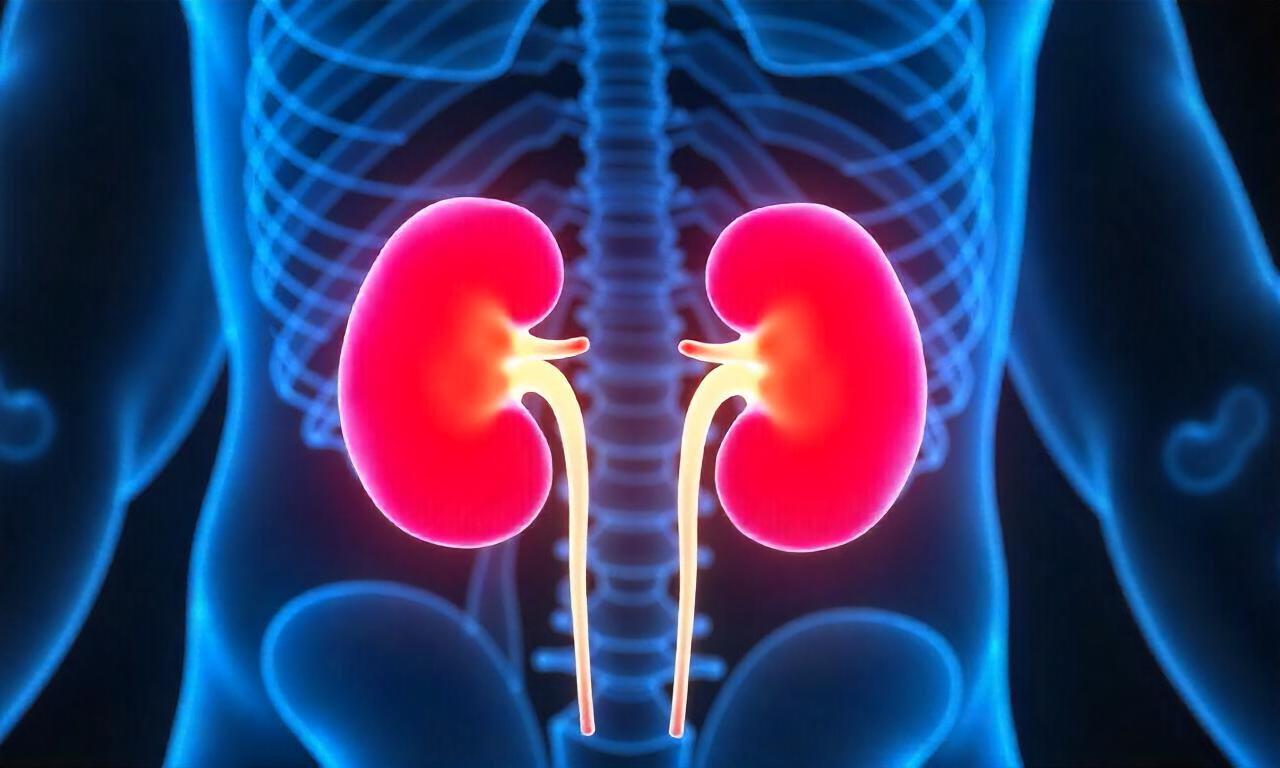
Your kidneys are among the body's most vital and hardworking organs. Functioning as sophisticated filtration systems, they tirelessly cleanse your blood, manage fluid balance, regulate blood pressure, and support bone health, all while operating silently in the background. However, when their function begins to decline gradually over time, a condition known as Chronic Kidney Disease (CKD) can develop. This condition is often progressive, moving through distinct phases that can be confusing and alarming. Gaining a clear and comprehensive perspective is the first and most crucial step toward managing the condition effectively. This comprehensive guide is designed to demystify the process, providing a clear path to understanding the stages of kidney disease and empowering you with the knowledge to navigate your health journey. What is Chronic Kidney Disease (CKD)? Chronic Kidney Disease, often abbreviated as CKD, is a long-term condition characterized by the gradual loss of kidney function over months or years. Unlike Acute Kidney Injury (AKI), which involves a sudden loss of kidney function, CKD is a slow and often silent decline. The primary role of the kidneys is to filter waste products and excess fluid from the blood, which are then excreted in the urine. When the kidneys are damaged, they become less efficient at this filtration process, leading to a build-up of waste and fluid in the body that can cause a cascade of health problems. The importance of the kidneys cannot be overstated. Beyond filtration, they perform several critical functions: Regulating blood pressure by managing fluid levels and releasing hormones. Producing an active form of Vitamin D, which is essential for bone health and calcium absorption. <strong>Controlling the production of red blood cells</strong> through the hormoneerythropoietin*. Balancing the body&#x27;s electrolytes, such as sodium, potassium, and phosphate. When CKD develops, all of these functions can become impaired. The disease is "staged" based on the level of kidney function remaining. This staging system helps doctors determine the severity of the disease, predict its rate of progression, and develop an appropriate management plan. By understanding which stage you or a loved one is in, you can better grasp the immediate health priorities and the long-term outlook, making you an active participant in your own care. The Key Metric: Understanding Glomerular Filtration Rate (eGFR) The cornerstone for staging kidney disease is a measurement called the Glomerular Filtration Rate, or GFR. The glomeruli are tiny filters within your kidneys—millions of them—that perform the initial step of cleaning your blood. The GFR is a measure of how much blood these filters clean each minute. A healthy pair of kidneys can filter approximately 120 milliliters (mL) of blood per minute. A direct GFR measurement is complex, so doctors typically use a formula to calculate an estimated Glomerular Filtration Rate (eGFR). To calculate your eGFR, your doctor will order a simple blood test that measures the level of creatinine, a waste product generated from muscle metabolism. This creatinine level is then plugged into a mathematical formula along with other variables like your age, sex, and body size. Historically, race was also a factor in the calculation, but modern guidelines are moving away from this practice to promote health equity and improve accuracy. The resulting eGFR number gives your healthcare provider a clear and reliable estimate of your kidney function percentage. The eGFR is the single most important number for staging CKD. Think of it as a percentage score for your kidneys. An eGFR of 75 means you have approximately 75% of your kidney function. As the eGFR number decreases, it signifies that the kidneys are becoming less effective at their job. This number allows doctors to classify the disease into one of five stages, track its progression over time, and make critical decisions about treatment, diet, and when to prepare for advanced therapies like dialysis or transplantation. A Detailed Breakdown of the 5 Stages of Kidney Disease Understanding what each stage means is vital for managing expectations and taking the right actions at the right time. The stages are primarily defined by the eGFR level, but the presence of kidney damage (such as protein in the urine, known as albuminuria) is also a critical factor, especially in the early stages. Stage 1: Kidney Damage with Normal or High GFR In Stage 1 CKD, the eGFR is 90 mL/min or higher, which is considered normal or even high kidney function. A person is only diagnosed with Stage 1 if they have other markers of kidney damage. This evidence could be the persistent presence of protein or blood in the urine, abnormalities detected on an ultrasound or CT scan (like polycystic kidney disease), or a family history of genetic kidney disease. Essentially, the kidneys are still working at or near full capacity, but there is underlying damage that signals a problem. Because kidney function is still good, symptoms are almost always absent in Stage 1. Most people are completely unaware they have a problem unless it is discovered incidentally during routine urine or blood tests for another condition. The primary goal of management at this stage is not to treat kidney failure but to aggressively manage the underlying cause of the damage to slow or halt its progression. This often involves strict control of blood pressure, managing blood sugar levels in people with diabetes, adopting a healthy lifestyle, and avoiding medications that can harm the kidneys (nephrotoxic drugs). Stage 2: Kidney Damage with Mildly Decreased GFR Stage 2 CKD is defined by an eGFR between 60 and 89 mL/min, coupled with evidence of kidney damage. This represents a mild decline in kidney function. Just like in Stage 1, the kidneys are still performing their essential tasks relatively well, and the body can effectively compensate for the slight loss in filtration capacity. It is a critical juncture where proactive management can have a significant long-term impact on the health of your kidneys. Symptoms remain rare in Stage 2, although some individuals might experience high blood pressure as one of the first signs of trouble. The focus of