
Iran’s strikes on Gulf energy sites rattle markets and raise recession fears
Iran’s strikes on Gulf energy sites rattle markets and raise recession fears
As the US and Israel prepared for military escalation in the region, Iran consistently issued warnings that it would retaliate against any attack, aiming to destabilize the Gulf and beyond. One week into the conflict, Tehran’s coordinated assaults on energy infrastructure intensified, sending shockwaves through global oil markets. The attacks, which began last Saturday, have seen Iran expand its aerial strikes across the Gulf, including a targeted assault on Azerbaijan on Thursday.
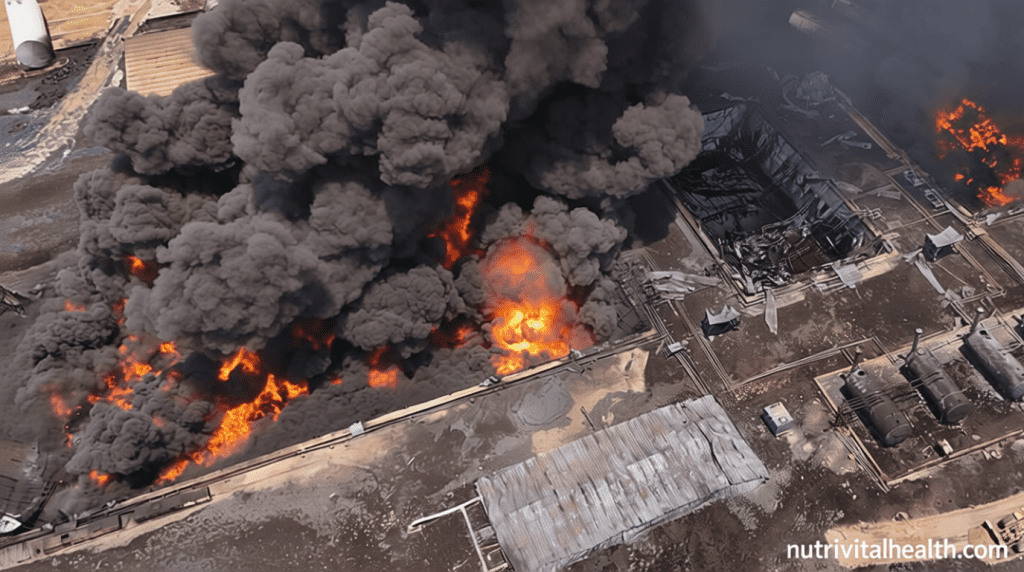
The Iranian government insists its actions are focused on US and Israeli interests, yet the effects on the region’s energy networks have been profound. Missiles and drones have disrupted critical facilities supplying power to major economies, while Iranian forces also targeted the Strait of Hormuz — a vital artery for 20% of global oil traffic. Over 200 vessels were reportedly stranded in the strait, as detailed by Lloyd’s List. This move compounded fears of economic strain, with Qatar halting production at its flagship LNG plant following drone strikes on Mesaieed and Ras Laffan Industrial City. The nation’s LNG output accounts for about 20% of the world’s supply, significantly influencing energy balances in Asian and European markets.
Further disruptions followed as Iran’s strikes forced the closure of Saudi Arabia’s largest oil refinery. Iraqi oil output and Israeli gas fields also faced setbacks, with Dubai’s ports experiencing damage. The UK Foreign Office noted that while attack intensity has eased since the conflict’s onset, the variety of economic targets has grown. This shift underscores a strategic focus on weakening energy sectors, raising concerns about long-term impacts.
Energy minister warns of global economic fallout
“The war could bring down the economies of the world,” said Qatar’s Energy Minister Saad al-Kaabi in an interview with the Financial Times. “If this war continues for a few weeks, GDP growth around the world will be impacted. Everybody’s energy price is going to go higher. There will be shortages of some products and there will be a chain reaction of factories that cannot supply.”
Dr. Yousef Alshammari, president of the London College of Energy Economics, emphasized the potential for a global recession if the Strait of Hormuz remains blocked. “As we move toward summer, the risks of recession could intensify,” he stated. “China, a major consumer of Iranian oil, may apply political pressure, especially if supply chains stay disrupted.”
Despite rising gas prices, Alshammari noted that oil price increases have been less severe than anticipated. “This is due to low global demand and the fact that oil markets remain well-supplied,” he added. Meanwhile, former US ambassador to Azerbaijan Matthew Bryza questioned the logic behind Iran’s strikes. “The attacks on Azerbaijan and recent strikes on Turkey and Cyprus don’t align with a rational military plan,” Bryza remarked. He highlighted the puzzling nature of Iran’s assault on Nakhchivan, a region not directly involved in the conflict, suggesting a broader effort to disrupt economies.
