
Long Island Rail Road, America’s largest commuter railroad, is on strike
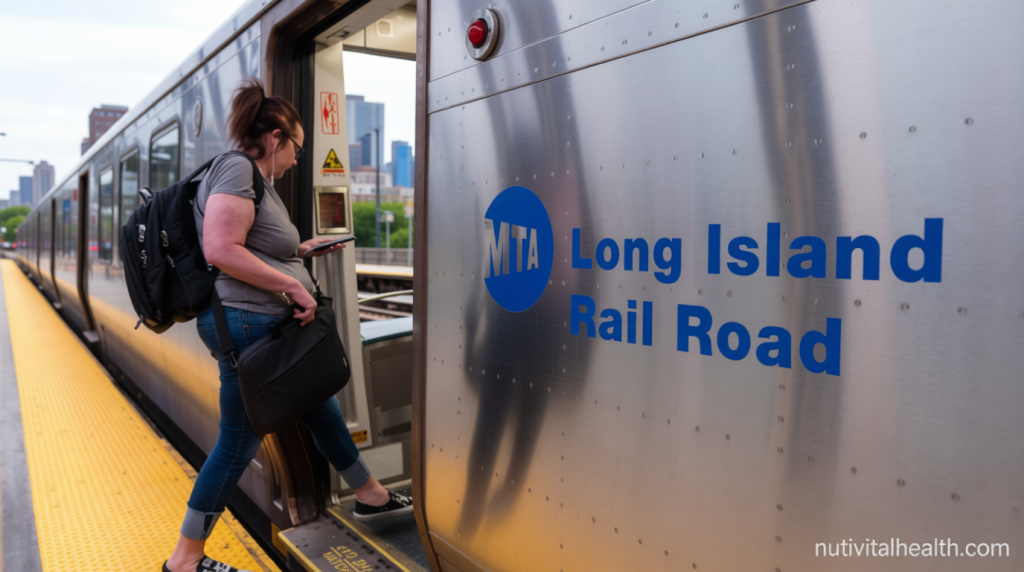
Long Island Rail Road, America’s Largest Commuter Railroad, Enters Strike
Long Island Rail Road America s largest – Commuters in the New York City metropolitan area are now facing significant disruptions after the Long Island Rail Road (LIRR), the largest commuter rail system in the United States, initiated a strike. This marks the first such labor action in over three decades, with the five unions representing approximately 3,500 workers unable to reach an agreement on wage increases and work conditions. The strike has led to a complete shutdown of train operations, potentially leaving hundreds of thousands of daily passengers stranded. The situation has escalated rapidly, raising concerns about the impact on transportation infrastructure and the broader economy.
Union Demands and Negotiation Breakdown
Workers on strike are pushing for a wage adjustment that would provide the first raise since 2022, a period characterized by some of the most substantial cost-of-living increases in recent history. The unions argue that their demands reflect the reality of rising living expenses in one of the nation’s most expensive regions. Despite two days of continuous negotiations, both parties failed to bridge the gap on key issues, including the rate of pay and specific work rules. Kevin Sexton, a union spokesperson and vice president of the Brotherhood of Locomotive Engineers and Trainmen, stated that the failure to secure a deal left the workforce in a difficult position.
“After two days of round-the-clock negotiations, parties were unable to reach a deal,” Sexton remarked.
The unions had previously sought a 4% to 5% raise, a figure they believed was fair given the economic pressures faced by their members. However, railroad management reportedly came close to this offer before last-minute demands arose. The final dispute centered on healthcare coverage, with management insisting on additional costs that the unions deemed unacceptable. This impasse has led to the current halt in operations, leaving passengers without a reliable alternative for commuting.
Impact on Daily Commuters and Transit Systems
The LIRR, which serves as a critical artery for millions in the New York area, has not yet fully regained the ridership levels it saw in 2019. While it has rebounded to roughly 90% of pre-pandemic capacity, the strike threatens to reverse this progress. Last year, the railroad generated $636 million in fare revenue, and the loss of $2 million per weekday during the strike could have long-term financial implications for the system. Passengers with monthly passes will receive prorated refunds, but the overall disruption is expected to be widespread.
Commuters are now forced to adapt to new realities, such as driving to work amid soaring gas prices and the implementation of additional tolls for vehicles entering Manhattan’s business district. The strike, which began at 12:01 a.m. ET on Saturday, will most severely affect the region on Monday, when nearly 300,000 travelers typically rely on the LIRR for their daily commutes. The Metropolitan Transportation Authority (MTA), which operates the railroad, has announced limited bus services to mitigate the impact, but these can only accommodate about 13,000 riders in the morning and another 13,000 in the evening.
With the strike ongoing, the MTA is urging commuters to adjust their routines. Suggestions include working remotely, avoiding non-essential travel, and allowing extra time for transportation. While weekends see fewer passengers, this weekend is expected to experience an uptick in off-peak travel, particularly due to the upcoming games between New York’s two major baseball teams, the Mets and the Yankees, at Citi Field. The venue is directly connected to the LIRR, making the strike’s effect on weekend mobility a pressing concern.
Conflicting Blame and Strategic Perspectives
The MTA has taken a firm stance, accusing the unions of intentionally creating chaos to pressure the agency into a disadvantageous contract. Janno Lieber, CEO of the MTA, criticized the unions, claiming their strategy was to inconvenience Long Islanders and push for a deal that would burden taxpayers. “Their strategy is to inconvenience Long Islanders and try to force the MTA and the State to do a bad deal,” Lieber said.
“We cannot responsibly make a deal that implodes MTA’s budget,” Lieber added.
In contrast, union representatives have defended their actions, emphasizing the necessity of fair wages to keep pace with inflation. Nick Peluso, a national vice president of the Transportation Communications Union, highlighted the MTA and New York Governor Kathy Hochul’s decision to prioritize financial stability over immediate resolution. “Commuters are dealing with unnecessary dysfunction and thousands of union LIRR workers are forced to go without a paycheck because of the decisions made by a small group of union leaders,” Hochul stated in a Saturday address, criticizing the strike as “reckless” and warning of its consequences for riders.
“We are truly sorry that we’re in this situation. These riders are our friends, our neighbors, they live in our communities. We understand the service that the Long Island Rail Road provides in this region,” Sexton said.
The strike has also sparked a debate about the balance between worker rights and public service obligations. While the unions argue that their demands are reasonable, the MTA and state officials contend that the disruption is avoidable. The situation has underscored the growing tensions between labor and management in the transit sector, with both sides accusing the other of holding the line on essential compromises. As the strike continues, the challenge remains to find a resolution that addresses the needs of workers without crippling the region’s transportation network.
Broader Implications for the Region
The prolonged strike could have ripple effects beyond immediate commuting. With a significant portion of the workforce relying on the LIRR, the disruption may impact local businesses and the overall economy. The MTA’s limited bus services, while a temporary solution, are not sufficient to handle the volume of traffic, especially during peak hours. This has forced many to consider alternative modes of transport or adjusting their schedules, adding to the strain on the city’s roads and infrastructure.
Moreover, the strike highlights the broader issue of funding for public transit. The LIRR’s fare revenue is a vital component of its budget, and the loss of millions during the strike could force difficult decisions about service cuts or maintenance. The unions, however, maintain that their demands are necessary to ensure fair compensation for workers in an environment where living costs have surged. The dispute has also reignited discussions about the role of unions in shaping labor policies and their ability to negotiate on behalf of members.
As the strike enters its second day, the situation remains fluid. While there have been no reports of renewed talks between the unions and management, the potential for a last-minute compromise still exists. The outcome of this labor action will likely set a precedent for future negotiations in the transit sector, as both sides weigh the costs of continued disruption against the benefits of a fair agreement. For now, the region is bracing for the impact of a rail system that is central to its daily operations.
