
Best Heart Disease Treatments: Natural & Medical Options
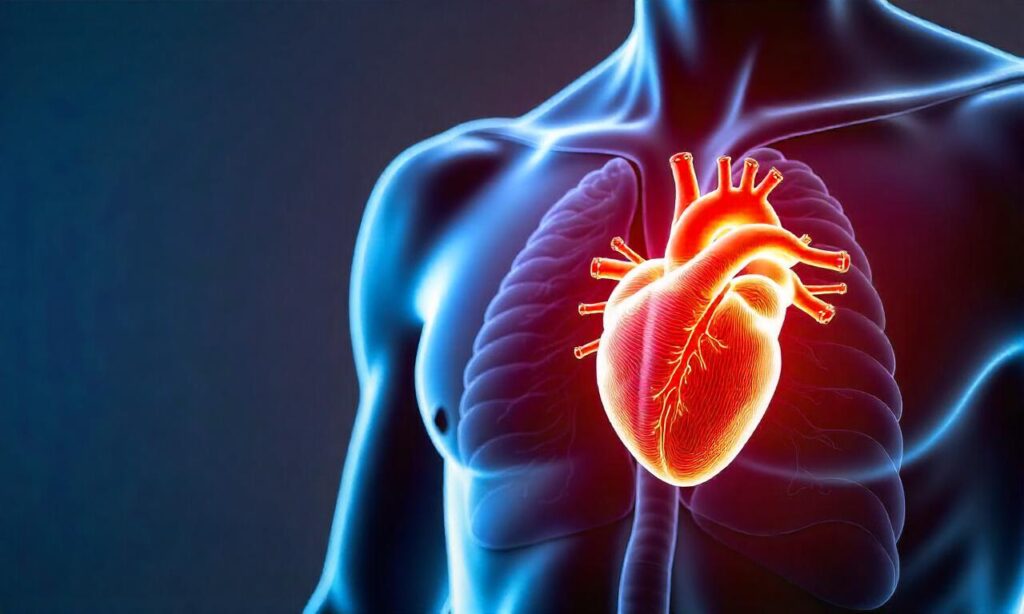
Heart disease remains one of the leading causes of mortality worldwide, affecting millions of people each year. From coronary artery disease to arrhythmias and heart failure, the condition encompasses a wide range of disorders that impact the cardiovascular system. While modern medicine has made significant strides in managing and treating heart disease, many individuals are also turning to natural remedies to complement or even replace traditional approaches. This article explores both medical and natural treatment options for heart disease, highlighting the Best treatment for heart disease that suits different lifestyles, health conditions, and personal preferences. Whether you’re seeking to reduce risk factors, manage symptoms, or improve overall heart health, understanding the Best treatment for heart disease is essential for making informed decisions.
Medical Treatments for Heart Disease
Traditional Medications
Modern medical treatments for heart disease often begin with prescribed medications designed to address specific symptoms or underlying causes. Statins, for instance, are a cornerstone in managing cholesterol levels, reducing the risk of plaque buildup in arteries. These drugs work by inhibiting an enzyme involved in cholesterol synthesis, helping to lower LDL (bad cholesterol) and raise HDL (good cholesterol). Another commonly used class of medications includes beta-blockers, which are prescribed to reduce heart rate and blood pressure, thereby easing the workload on the heart. ACE inhibitors and angiotensin receptor blockers (ARBs) are also vital in treating hypertension and heart failure. They help relax blood vessels, improving blood flow and reducing the strain on the cardiovascular system. For patients with arrhythmias or irregular heartbeats, antiarrhythmic drugs may be necessary to stabilize cardiac rhythms. These medical treatments are often recommended by cardiologists after a thorough diagnosis, ensuring that patients receive targeted interventions based on their condition. In some cases, doctors may prescribe blood thinners such as aspirin or warfarin to prevent blood clots, which can lead to heart attacks or strokes. These medications are critical for patients with a history of cardiovascular events or those at high risk for complications.
Surgical Procedures and Interventions
When medical treatments alone are insufficient, surgical interventions become a crucial option. Coronary artery bypass grafting (CABG) is one of the most common procedures, involving the use of a healthy blood vessel to bypass blocked arteries. This surgery is often recommended for severe cases of coronary artery disease, where blood flow to the heart muscle is significantly restricted.
Another life-saving treatment for heart disease is angioplasty, which involves inserting a catheter into the blocked artery to widen it. Often combined with stent placement, this procedure can quickly restore blood flow and alleviate symptoms like chest pain or shortness of breath. For patients with heart failure, implantable cardioverter-defibrillators (ICDs) or pacemakers may be used to regulate heart rhythms and prevent sudden cardiac arrest.
In more advanced cases, <strong>heart valve repair or replacement</strong> and <strong>ventricular assist devices (VADs)</strong> are employed to address structural issues or support heart function. These surgical options are typically considered when lifestyle changes and medications fail to provide adequate relief.
Lifestyle Changes and Monitoring
While medical treatments are often necessary, lifestyle modifications play a key role in both prevention and management of heart disease. Doctors frequently emphasize the importance of dietary adjustments, regular exercise, and smoking cessation as part of a holistic treatment plan. For example, adopting a low-sodium diet can help lower blood pressure, while eating more fiber-rich foods can reduce cholesterol levels. Regular monitoring is another critical aspect of medical treatment for heart disease. Patients may need to undergo routine check-ups to assess their blood pressure, cholesterol levels, and overall heart function. Wearable devices such as fitness trackers or blood pressure monitors have become increasingly popular for continuous health tracking, allowing individuals to stay proactive in managing their condition. Combining <strong>medical treatments</strong> with consistent lifestyle changes can significantly improve outcomes. For instance, <strong>meditation and mindfulness practices</strong> are often recommended alongside medications to reduce stress, which is a known risk factor for heart disease.
Natural Treatments for Heart Disease
Dietary Adjustments
One of the Best treatment for heart disease is often found in the kitchen. A heart-healthy diet focuses on reducing saturated fats, trans fats, and sodium while increasing intake of whole foods, fiber, and antioxidants. Foods such as leafy green vegetables, nuts, whole grains, and fatty fish (like salmon and mackerel) are rich in omega-3 fatty acids, which have been shown to lower triglycerides and reduce inflammation in the cardiovascular system. Plant-based diets are also gaining recognition as a natural treatment for heart disease. Studies suggest that diets high in fruits, vegetables, and legumes can improve arterial health and reduce the risk of hypertension. Additionally, limiting processed foods and added sugars can help manage weight and lower the risk of metabolic syndrome, a precursor to heart disease. For example, incorporating <strong>flaxseeds</strong> or <strong>chia seeds</strong> into your meals can provide natural sources of <strong>healthy fats</strong> that support heart function. However, it's important to consult with a healthcare professional before making significant dietary changes, especially if you have existing health conditions.
Herbal and Nutritional Supplements
Herbal remedies and nutritional supplements are increasingly being used as natural treatment options for heart disease. Omega-3 fatty acids from fish oil, Coenzyme Q10 (CoQ10), and Garlic supplements are popular for their cardiovascular benefits. Omega-3s, for instance, are known to reduce the risk of heart attacks by lowering triglycerides and preventing blood clots. Turmeric, a spice containing curcumin, has also been studied for its anti-inflammatory properties that may protect the heart. Green tea, rich in catechins, is another natural remedy that can improve cholesterol levels and support overall heart health. However, while these supplements can be beneficial, they should not replace medical treatments entirely. Instead, they are often used as adjuncts to a comprehensive approach. Some individuals may choose <strong>vitamin D</strong> or <strong>Vitamin B12</strong> supplements to address deficiencies that could contribute to heart disease. It's crucial to balance <strong>natural treatment options</strong> with medical advice to ensure safety and efficacy.
Stress Management Techniques
Stress is a major contributor to heart disease, and natural treatment options often include stress reduction strategies. Practices such as yoga, meditation, and deep breathing exercises can help lower blood pressure and improve overall cardiovascular health. These methods are particularly effective in managing stress, which is linked to increased heart rate, elevated blood pressure, and the release of stress hormones like cortisol. Mindfulness-based stress reduction (MBSR) programs have shown promise in reducing anxiety and promoting heart health. These techniques encourage awareness of the present moment, helping individuals break free from negative thought patterns that may exacerbate stress. Additionally, regular physical activity combined with stress management can enhance blood circulation and reduce the risk of cardiovascular complications. For instance, a 20-minute daily session of <strong>yoga</strong> can lower stress levels and improve heart function, making it a valuable <strong>natural treatment</strong> for those with mild to moderate heart disease.
Alternative Therapies

Alternative therapies such as acupuncture, massage therapy, and herbal medicine are also being explored as natural treatments for heart disease. Acupuncture has been studied for its ability to reduce high blood pressure and improve blood circulation, which can alleviate symptoms of heart disease. Massage therapy, on the other hand, helps reduce stress and muscle tension, promoting relaxation and better cardiovascular health. Herbal medicine often includes hawthorn and ginseng, which are believed to support heart function and blood flow. However, it’s important to note that while these alternative therapies can complement traditional approaches, they should be used under the guidance of a healthcare professional to avoid interactions with medical treatments. For example, <strong>hawthorn extract</strong> may help improve <strong>heart rhythm</strong> and <strong>cardiac output</strong>, but it's essential to monitor its effects alongside <strong>conventional medications</strong>.
Comparing Natural and Medical Treatments
Effectiveness and Evidence
When evaluating the Best treatment for heart disease, it’s important to compare the effectiveness of natural remedies with medical interventions. Medical treatments such as statins, beta-blockers, and angioplasty have been extensively studied and are backed by clinical evidence. For example, statins are known to significantly reduce the risk of cardiovascular events in patients with high cholesterol.
On the other hand, natural treatments often rely on scientific research and traditional practices. Studies have shown that omega-3 fatty acids can reduce triglyceride levels, while CoQ10 may support heart muscle function. However, these natural treatment options may take longer to show results compared to medical treatments, which can provide immediate relief for acute symptoms.
While <strong>natural treatments</strong> can be effective in <strong>managing mild to moderate heart disease</strong>, they are often used in conjunction with <strong>medical treatments</strong> for more severe cases. The <strong>Best treatment for heart disease</strong> may vary depending on individual needs and the severity of the condition.
Accessibility and Cost
Another key factor in choosing the Best treatment for heart disease is accessibility and cost-effectiveness. Medical treatments often require visits to healthcare providers, prescriptions, and regular monitoring, which can be expensive for some patients. However, they are widely available and covered by insurance in many cases. Natural treatment options, such as dietary changes and stress management, are generally more accessible and cost-effective. For example, eating a balanced diet and practicing mindfulness can be done at home without additional expenses. Herbal supplements and yoga classes are also affordable and easily incorporated into daily life. That said, the <strong>cost of medical treatments</strong> may be offset by their <strong>long-term benefits</strong>, such as <strong>preventing heart attacks</strong> or <strong>reducing hospitalizations</strong>. Patients should consider both <strong>options</strong> and <strong>consult with their healthcare provider</strong> to determine the most <strong>suitable treatment</strong> for their condition.
Long-Term Benefits and Risks
The Best treatment for heart disease should also be evaluated based on long-term benefits and potential risks. Medical treatments are often more immediate in their effects, providing quick symptom relief and preventing complications. However, they may come with side effects, such as muscle pain from statins or gastrointestinal issues from blood thinners. Natural treatments, while generally safer, may not be as effective in the long run. For example, dietary changes can lead to significant improvements in heart health, but consistency is key. Herbal supplements may interact with medications, so it’s important to monitor their effects and consult with a healthcare professional. For instance, while <strong>omega-3 fatty acids</strong> are safe for most people, <strong>high doses</strong> may increase the risk of <strong>bleeding</strong> in patients taking <strong>anticoagulants</strong>. This highlights the importance of <strong>balancing natural and medical treatments</strong> for optimal <strong>cardiovascular health</strong>.
Personalized Approaches
The Best treatment for heart disease often depends on personalized approaches tailored to individual needs. Some patients may prefer complementary therapies, while others may rely on conventional medicine. Combining both natural and medical treatments can offer a comprehensive solution to managing heart disease.
For example, a patient with hypertension may benefit from medical treatments like ACE inhibitors, while also incorporating natural remedies such as regular exercise and stress management techniques. Similarly, someone with high cholesterol may take statins while also eating more fiber and limiting saturated fats.
This <strong>personalized approach</strong> ensures that the <strong>Best treatment for heart disease</strong> is both <strong>effective and sustainable</strong>, addressing the <strong>unique health requirements</strong> of each individual.
Conclusion
In conclusion, the Best treatment for heart disease is a combination of medical interventions and natural remedies, depending on the individual’s condition and preferences. Medical treatments such as medications, surgical procedures, and regular monitoring are essential for managing severe cases, while natural options like dietary changes, stress reduction techniques, and herbal supplements can support overall cardiovascular health.
Whether you choose conventional medicine or natural treatments, the key is to maintain consistency and consult with healthcare professionals. The Best treatment for heart disease may involve a holistic approach, integrating lifestyle changes with scientific advancements to achieve the best possible outcomes.
By understanding the advantages and limitations of each option, individuals can make informed decisions about their heart health. Ultimately, the Best treatment for heart disease is one that aligns with your personal health goals, lifestyle, and medical needs. With the right approach, you can reduce the risk of complications and improve your quality of life.
