
Understanding Genetic Conditions: Comprehensive Overview

Genetic conditions are a fundamental aspect of human biology that influence our health, traits, and overall development. These conditions arise from mutations or changes in an individual’s DNA, which can occur in various ways and have diverse implications. An Overview of genetic conditions is essential for both medical professionals and the general public, as it provides a clear understanding of how genetic factors shape our lives and the importance of early detection and management. This article offers a comprehensive overview of genetic conditions, exploring their causes, types, diagnosis, and impacts on individuals and society. By delving into these topics, we can better appreciate the role of genetics in health and take proactive steps toward improving outcomes for those affected.
Section 1: What Are Genetic Conditions?
Genetic conditions are disorders that result from mutations in an individual’s DNA. These mutations can be inherited from parents or occur spontaneously during the formation of eggs or sperm. The Overview of genetic conditions is critical for understanding the fundamental mechanisms behind inherited diseases and how they affect the body.
Types of Genetic Mutations
Genetic mutations can be categorized into several types, each with distinct effects on the body. Point mutations involve a single nucleotide change in the DNA sequence, which may alter a specific protein or gene. For example, sickle cell anemia is caused by a point mutation in the HBB gene, leading to the production of abnormal hemoglobin. Insertions and deletions occur when extra DNA segments or parts of the DNA are added or removed, potentially disrupting the reading frame of a gene. Chromosomal abnormalities, such as trisomy 21 (Down syndrome), result from an extra chromosome or structural changes like breaks or translocations. These mutations can be de novo (new and not inherited) or inherited from one or both parents.
Inherited vs. Sporadic Conditions
Not all genetic conditions are inherited. Inherited conditions are passed down through family lines, meaning they can affect multiple generations. These are typically caused by recessive or dominant genes. For instance, cystic fibrosis is a recessive condition, requiring both parents to carry the mutated gene for a child to be affected. On the other hand, sporadic conditions occur due to new mutations that happen by chance during cell division or fertilization. These are not linked to a family history of the condition, making them unpredictable.
Section 2: Causes and Types of Genetic Conditions
The causes of genetic conditions are as varied as the conditions themselves. Understanding these causes helps in identifying risk factors and prevention strategies. The Overview of genetic conditions also highlights how environmental factors can interact with genetic predispositions to influence disease development.
Inherited Genetic Conditions
Inherited genetic conditions are caused by mutations that are passed from parents to offspring. These mutations can be autosomal dominant, autosomal recessive, or X-linked. Autosomal dominant conditions require only one copy of the mutated gene to manifest symptoms, such as Huntington's disease. Autosomal recessive conditions need two copies of the mutated gene, often resulting from both parents carrying the gene. X-linked conditions, like Duchenne muscular dystrophy, are linked to the X chromosome and are more commonly seen in males.
De Novo Mutations
De novo mutations are new genetic changes that occur in the DNA of an individual’s eggs or sperm. These mutations are not present in the parents’ DNA and can lead to genetic conditions in children even if neither parent has the condition. For example, some cases of autism spectrum disorder are associated with de novo mutations in specific genes. This highlights the role of environmental factors in genetic mutations, such as exposure to radiation or chemicals.
Structural and Chromosomal Abnormalities
In addition to point mutations, structural and chromosomal abnormalities can cause genetic conditions. Chromosomal abnormalities include aneuploidy, where there is an extra or missing chromosome, and structural variations, such as deletions, duplications, inversions, or translocations. These abnormalities can lead to conditions like Down syndrome (trisomy 21) or Turner syndrome (monosomy X). Structural variations can also disrupt gene function, causing disorders such as cri du chat syndrome, which results from a deletion in chromosome 5.
Environmental Influences on Genetic Conditions
While genetic conditions are primarily determined by DNA, environmental factors can influence their expression. For example, exposure to certain chemicals or radiation during pregnancy can increase the risk of genetic mutations. Additionally, lifestyle factors such as diet and exercise can interact with genetic predispositions to impact health outcomes. This interplay between genes and environment is a key aspect of the Overview of genetic conditions.
Section 3: Diagnosis and Testing of Genetic Conditions
Diagnosing genetic conditions is a complex process that involves genetic testing and medical evaluations. The Overview of genetic conditions underscores the importance of early diagnosis in managing health complications and improving quality of life.
Genetic Testing Methods
Genetic testing is a cornerstone of diagnosing genetic conditions. There are several types of genetic tests, including karyotype analysis, DNA sequencing, and carrier screening. Karyotype analysis examines the number and structure of chromosomes, helping to identify chromosomal abnormalities like Down syndrome. DNA sequencing allows for the detection of specific mutations, making it essential for diagnosing conditions such as cystic fibrosis or sickle cell anemia. Carrier screening is used to determine if an individual carries a mutated gene that could be passed on to their children, providing valuable information for family planning.
Prenatal and Postnatal Diagnosis
Prenatal diagnosis is performed during pregnancy to identify genetic conditions in the fetus. Techniques such as amniocentesis and chorionic villus sampling (CVS) are commonly used for prenatal testing. These procedures involve extracting cells from the amniotic fluid or placenta to analyze the DNA. Postnatal diagnosis occurs after birth and includes newborn screening and genetic counseling. Newborn screening tests for common genetic disorders, such as phenylketonuria (PKU), while genetic counseling helps families understand risk factors and diagnosis results.
Role of Family History in Diagnosis
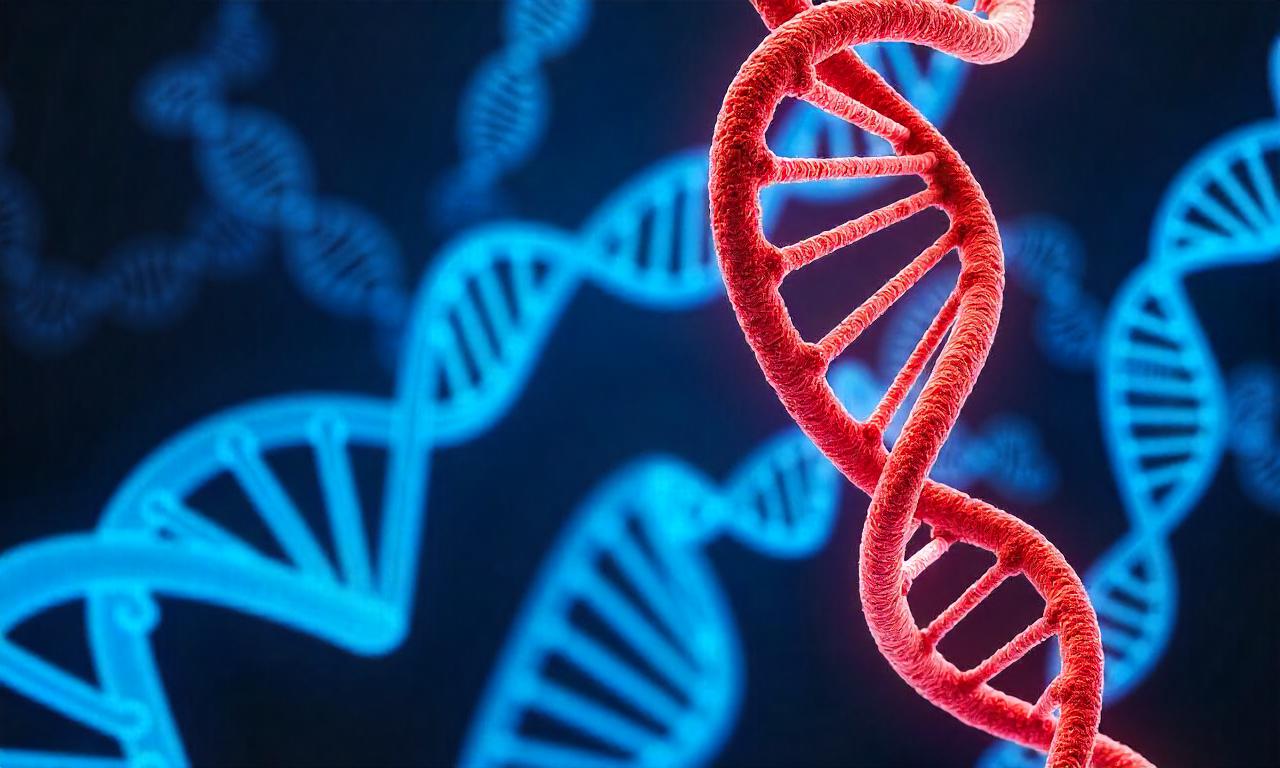
Family history plays a significant role in diagnosing genetic conditions. If a family has a history of a genetic disorder, the risk of inheritance is higher, and genetic testing may be recommended. For example, Lyonization (X-inactivation) is a process that ensures equal expression of genes in females, but mutations in the X chromosome can lead to disorders like Duchenne muscular dystrophy. Family history is often used in conjunction with genetic testing to confirm a diagnosis and guide treatment options.
Advanced Diagnostic Techniques
Recent advancements in genetic testing have revolutionized the diagnosis of genetic conditions. Next-generation sequencing (NGS) allows for rapid and cost-effective analysis of large segments of DNA, making it possible to identify rare genetic disorders. Genome-wide association studies (GWAS) help link genetic variations to specific diseases, providing insights into the Overview of genetic conditions. Additionally, prenatal genetic testing such as non-invasive prenatal testing (NIPT) uses blood samples to analyze fetal DNA, offering non-invasive options for diagnosis**.
Section 4: Impacts of Genetic Conditions on Individuals and Society
The impacts of genetic conditions extend beyond individual health and affect society as a whole. From psychological effects to economic burdens, genetic conditions shape lives in profound ways. The Overview of genetic conditions highlights these impacts and emphasizes the need for comprehensive support systems.
Physical and Psychological Effects
Genetic conditions can lead to a wide range of physical and psychological effects. Physical effects include chronic health issues, such as heart defects in Down syndrome or neurological disorders in Tay-Sachs disease. Psychological effects may involve emotional challenges, such as anxiety or depression, due to chronic illness or social stigma. For instance, individuals with Down syndrome often face social challenges but can lead fulfilling lives with appropriate support.
Economic and Social Implications
The economic implications of genetic conditions are significant, as they often require long-term care and medical treatments. Individuals with genetic disorders may need specialized therapies, assistive devices, or caregiver support, which can impact family budgets and work productivity. Socially, genetic conditions can influence relationships and community interactions, but they also foster resilience and cultural awareness. For example, rare genetic diseases have spurred research and advancements in medical science, benefiting patients globally.
Importance of Genetic Counseling
Genetic counseling is a vital component of managing genetic conditions. It provides individuals and families with information about risks, diagnosis options, and treatment strategies. Genetic counselors help patients understand the complexities of genetic inheritance and make informed decisions. This support system is crucial for emotional well-being and long-term planning.
Research and Future Directions
Ongoing research in genetics continues to expand our understanding of genetic conditions and improve treatment options. Genomic studies are identifying new genes and mutations linked to specific diseases, paving the way for personalized medicine. Advancements in gene therapy offer promising solutions for genetic disorders, such as spinal muscular atrophy (SMA). The Overview of genetic conditions is shaping the future of healthcare, making it more accessible and effective for patients worldwide.
Section 5: Managing and Living with Genetic Conditions
Living with genetic conditions requires a holistic approach to management and care. While genetic conditions are inherited, individuals can adapt and thrive through early intervention and supportive strategies. The Overview of genetic conditions also emphasizes the importance of community resources and medical advancements in improving quality of life.
Early Intervention and Treatment
Early intervention is critical for managing genetic conditions effectively. Medical treatments such as medications, surgery, and therapy can mitigate symptoms and improve outcomes. For example, enzyme replacement therapy is used to treat lysosomal storage disorders, while gene therapy offers potential cures for conditions like Duchenne muscular dystrophy. Regular monitoring and tailored care plans are essential for long-term management.
Supportive Strategies for Individuals and Families
Supportive strategies play a major role in helping individuals and families cope with genetic conditions. Psychological support, such as counseling, can reduce stress and anxiety. Educational resources are available to help patients and caregivers understand the condition and make informed decisions. Community support groups provide a sense of belonging and shared experiences, which enhance emotional well-being.
Advances in Genetic Research
The field of genetic research is constantly evolving, with new discoveries that transform the way we approach genetic conditions. CRISPR technology allows for precise gene editing, offering hope for curing genetic diseases. Genome sequencing has made genetic testing more affordable, enabling widespread screening. These advancements are changing the Overview of genetic conditions and improving patient care**.
Real-Life Examples and Case Studies
Real-life examples of genetic conditions illustrate the diverse effects on individuals and families. For instance, individuals with sickle cell anemia face chronic pain and complications, but new treatments like hydroxyurea are improving their quality of life. Patients with genetic disorders often benefit from multidisciplinary care, including genetic counseling, nutritional support, and physical therapy. These case studies highlight the importance of early diagnosis and comprehensive management.
Conclusion
In conclusion, an Overview of genetic conditions is essential for understanding the complexities of hereditary diseases and their impact on individuals and society. From inherited mutations to sporadic changes, genetic conditions can affect physical and psychological well-being, but advancements in research and medical care are changing the landscape. Genetic testing, early intervention, and supportive strategies are key to managing these conditions effectively. As genetic science continues to evolve, the Overview of genetic conditions will play a vital role in improving health outcomes and fostering a better understanding of our genetic makeup. By embracing this knowledge, we can create a more compassionate and informed society that supports those affected by genetic conditions.
