
What Are the Best Cancer Treatment Methods for Your Cancer Type?
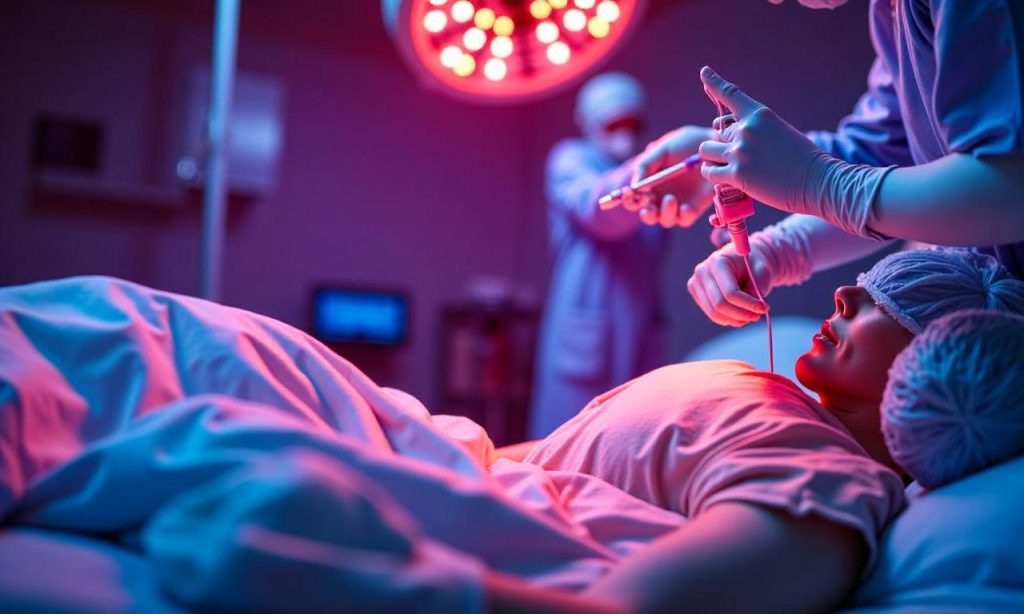
The best cancer treatment methods depend on the specific type, stage, and individual factors like genetics, lifestyle, and overall health. This article provides a comprehensive overview of cancer treatment methods tailored to different cancer types, emphasizing the importance of personalized care. Whether you’re facing breast cancer, lung cancer, or prostate cancer, understanding the most effective cancer treatment methods requires a deep dive into diagnosis, medical science, and holistic approaches.
Personalized Cancer Care: Tailoring Treatments to Your Diagnosis
Every cancer type behaves differently, so treatment plans must be customized. For example, lung cancer often involves a mix of chemotherapy and targeted therapy, while prostate cancer might prioritize radiation therapy or surgery. Doctors use biomarker testing to identify genetic mutations, which guides the choice of targeted therapy or immunotherapy. In some cases, like HER2-positive breast cancer, a drug like trastuzumab becomes critical due to its ability to attack specific proteins on cancer cells.
Surgery: The Gold Standard for Early-Stage Cancers
Surgery remains a primary cancer treatment method for localized tumors, such as those in breast cancer or colorectal cancer. It’s most effective when cancer is in an early stage, allowing for complete removal of the tumor. A patient with stage I melanoma might undergo a skin excision to eliminate cancerous cells entirely. However, surgery isn’t always the answer—some cancers, like leukemia, require systemic approaches instead.
Chemotherapy: Targeting Cancer Cells Systemically
Chemotherapy is a cancer treatment method that uses drugs to kill cancer cells throughout the body. It’s often recommended for lymphoma or ovarian cancer, where cancer can spread to multiple organs. The success of chemotherapy depends on the type of drug and the patient’s tolerance. For instance, a stage IV breast cancer patient might receive adjuvant chemotherapy after surgery to reduce the risk of recurrence. Yet, chemotherapy can have side effects like fatigue and hair loss, which vary based on the regimen.
Radiation Therapy: Precision and Power in Cancer Treatment
Radiation therapy is a cancer treatment method that uses high-energy rays to destroy cancer cells. It’s especially effective for prostate cancer or brain tumors, where precise targeting minimizes damage to healthy tissue. Advanced techniques like intensity-modulated radiation therapy (IMRT) allow doctors to adjust radiation doses to specific areas, improving outcomes. A patient with early-stage head and neck cancer might receive external beam radiation, while brachytherapy is used for cervical cancer. Despite its benefits, radiation therapy requires careful planning to avoid long-term complications.
Immunotherapy: Harnessing the Body's Defense Mechanisms
Immunotherapy is a revolutionary cancer treatment method that boosts the immune system’s ability to fight cancer. It’s particularly effective for melanoma or lung cancer with specific genetic markers. For example, checkpoint inhibitors like pembrolizumab can help stage III melanoma patients by blocking proteins that prevent immune cells from attacking tumors. This approach has transformed cancer treatment methods, offering long-term remission for some patients. However, immunotherapy isn’t suitable for everyone, and its effectiveness depends on the patient’s immune response.
Targeted Therapy: Precision Strikes in Modern Oncology
Targeted therapy is a cancer treatment method that focuses on specific molecules involved in cancer growth. Unlike chemotherapy, which affects all rapidly dividing cells, targeted therapy attacks only cancerous ones. This method is often used for gastrointestinal stromal tumors (GISTs) or HER2-positive breast cancer, where genetic mutations drive the disease. For instance, trastuzumab targets the HER2 protein, shrinking tumors in some patients. However, targeted therapy may not work if the cancer develops resistance, requiring adjustments in the treatment plan.
Complementary and Alternative Cancer Treatments: Integrating Traditional and Holistic Approaches
While mainstream cancer treatment methods like surgery and chemotherapy are essential, many patients explore complementary treatments to enhance their recovery. Herbal remedies, mind-body practices, and nutritional therapies can support conventional approaches. In Islamic teachings, Hadith mentions the use of natural substances like honey and garlic for healing, which aligns with modern interest in holistic cancer care. A stage IV cancer patient might combine immunotherapy with meditation to reduce stress and improve quality of life.
The Role of Early Detection in Shaping Treatment Success
Early detection is a game-changer in cancer treatment methods. For cervical cancer, regular Pap smears can catch the disease in its earliest stages, making surgery or radiation more effective. Similarly, breast cancer detected through mammography often allows for less invasive treatments like lumpectomy instead of mastectomy. In prostate cancer, early diagnosis can delay chemotherapy, preserving the patient’s quality of life. Delayed detection, however, may require more aggressive cancer treatment methods, such as combination therapy, to tackle advanced stages.
How to Choose the Best Cancer Treatment Methods for Your Specific Cancer Type
Selecting the right cancer treatment methods involves collaboration between patients and healthcare teams. For non-small cell lung cancer, targeted therapy might be preferred if the tumor has EGFR mutations, while small cell lung cancer often demands chemotherapy and radiation. A patient with colorectal cancer may undergo surgery followed by adjuvant chemotherapy, depending on the tumor’s stage and biomarker profile. Doctors also consider factors like age, overall health, and patient preferences. For example, a young patient with testicular cancer might opt for surgery and radiation, while an older patient might prioritize targeted therapy to minimize side effects.
Frequently Asked Questions (FAQ)
Q: How do I know which cancer treatment methods are best for my type? A: Your oncologist will evaluate the cancer type, stage, and your biomarker profile to recommend a personalized treatment plan.
Q: Can alternative cancer treatments replace traditional cancer treatment methods? A: No, alternative treatments like herbal medicine are often used alongside conventional methods to support overall health, not as standalone solutions.
Q: What role does genetic testing play in selecting cancer treatment methods? A: Genetic testing identifies mutations that determine the effectiveness of targeted therapy or immunotherapy, ensuring the right cancer treatment methods are chosen.
Q: Are there cancer treatment methods that work better for certain age groups? A: Yes, older patients may benefit from less aggressive therapies like targeted therapy, while younger patients might tolerate chemotherapy or radiation better.
Q: How does early detection impact cancer treatment methods? A: Early detection allows for surgery or localized radiation, whereas advanced stages may require combination therapy or immunotherapy.
Q: What are the risks of using complementary treatments alongside cancer treatment methods? A: Complementary treatments like acupuncture or dietary supplements are generally safe, but some may interfere with chemotherapy or radiation. Always consult your doctor before combining treatment methods.
The Future of Cancer Treatment Methods: Personalization and Innovation
The evolution of cancer treatment methods reflects advancements in precision medicine and personalized care. Researchers are now developing cancer treatment methods that target specific mutations, such as PARP inhibitors for breast cancer with BRCA mutations. This shift is reshaping how we approach cancer treatment methods, making them more effective and less toxic. For instance, CAR T-cell therapy for leukemia involves reprogramming a patient’s own immune cells, offering a groundbreaking cancer treatment method.
Conclusion: Choosing the Right Cancer Treatment Methods for Your Needs
In summary, the best cancer treatment methods depend on a combination of cancer type, stage, and individual factors. Whether through surgery, chemotherapy, or immunotherapy, the goal is to create a personalized treatment plan that maximizes effectiveness. By integrating complementary approaches and leveraging genetic insights, patients can navigate the complexities of cancer treatment methods with confidence. Always consult your healthcare team to ensure you’re using the most up-to-date and suitable cancer treatment methods for your specific case.
