
Iceland to hold referendum on resuming EU membership bid
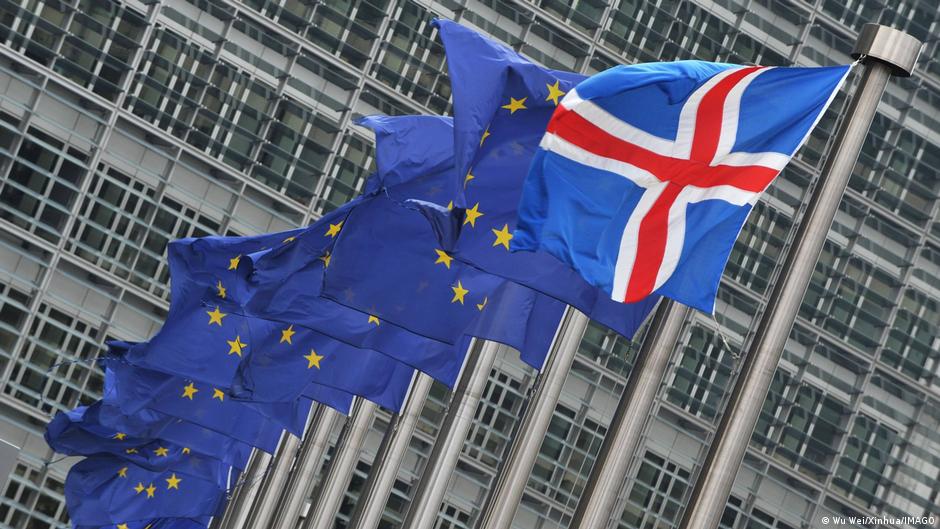
Iceland to hold referendum on resuming EU membership bid
Iceland’s government has announced plans to conduct a public vote on restarting negotiations for EU membership in August. The decision to hold the referendum was approved by the Cabinet on Friday, with the date set for August 29. This move comes after the nation paused its EU accession process in 2013, a decision that has now been revisited due to shifting priorities and global events.
Drivers of the Renewed Bid
Rising inflation, the prolonged conflict in Ukraine, and concerns over US influence in the Arctic region have reshaped Iceland’s political landscape. These factors have prompted a renewed interest in aligning more closely with the EU. According to Reykjavik’s foreign ministry, the referendum will occur earlier than initially planned, reflecting the urgency of the situation.
A recent Gallup poll indicates that 57% of Icelanders support resuming EU membership talks, while 30% remain opposed. The public broadcaster RUV highlighted this shift in sentiment, noting that voters are increasingly worried about economic pressures and the geopolitical instability brought by Russia’s invasion of Ukraine and the US’s potential claim on Greenland.
Political Process and Implications
The proposal to hold the referendum is backed by Prime Minister Kristrun Frostadottir’s center-left coalition. Before the vote, the plan must secure approval from Iceland’s parliament, the Althingi. The government intends to present the initiative to the legislature shortly after next week. If the referendum passes, Iceland could proceed to a final decision on membership, contingent on EU agreement.
“The geopolitical context is fundamentally different today than when Iceland first applied for membership,” said EU Enlargement Commissioner Marta Kos in a post on X. “EU membership offers an anchor into a bloc grounded in values, prosperity and security.”
EU membership would grant Reykjavik direct representation in key institutions such as the European Commission, Council of Ministers, and European Parliament. Iceland currently participates in the European Economic Area (EEA) and the Schengen visa-free zone, but joining the EU would deepen its integration. The country, home to around 400,000 people, also remains the smallest NATO member, relying on the alliance for defense.
Historical Context
Iceland first began its EU accession journey in 2009, following the 2008 financial crisis that crippled its investment banking sector. However, in 2013, its then-euroskeptic government withdrew from negotiations. The current administration, elected in 2024, had initially pledged a referendum by 2027. This timeline was accelerated by US President Donald Trump’s threats to annex Greenland from Denmark, as well as his confusion between Iceland and Greenland during a speech at the World Economic Forum in Davos.
Supporters argue Iceland’s alignment with the EU is now more strategic, citing its strong partnership with Brussels. Yet, opposition persists, particularly among farmers and others fearing that EU rules might restrict Iceland’s control over its North Atlantic fishing waters. The referendum represents a pivotal moment in the nation’s decades-long European ties and its evolving foreign policy stance.
