
She spent 20 months battling to die under a euthanasia law. On Thursday, Spain let her
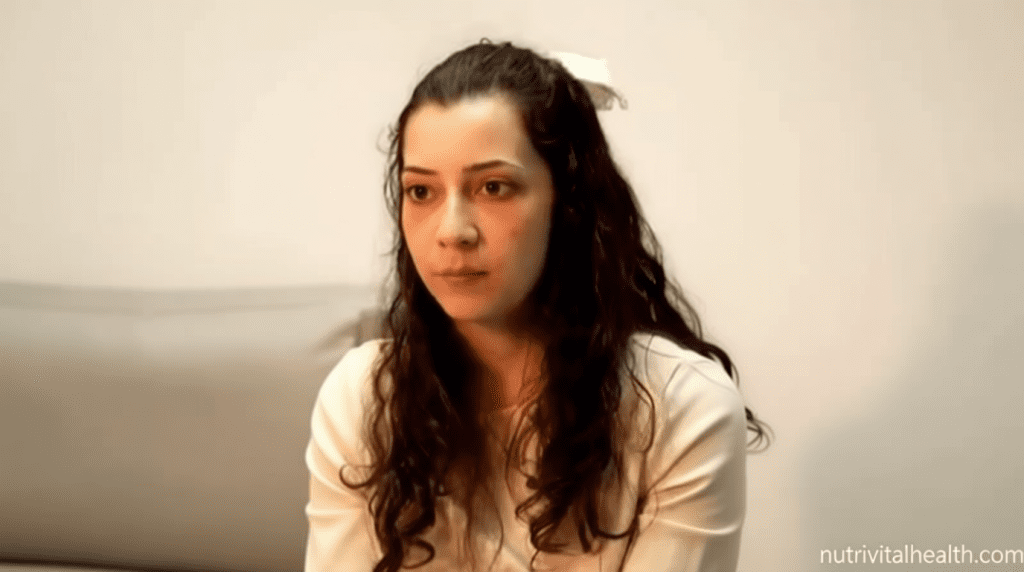
Spain Grants Euthanasia Request for 25-Year-Old Noelia Castillo
Editor’s Note
After a prolonged legal journey, Spain granted the euthanasia request of Noelia Castillo, a 25-year-old woman who had spent 20 months advocating for an end to her suffering. Her story, which has ignited widespread conversation, involves both physical and emotional pain. Castillo’s decision to seek euthanasia came after enduring significant hardship, including a turbulent family life and multiple instances of sexual abuse.
A Life Shaped by Trauma and Suffering
Noelia Castillo’s path to euthanasia was deeply personal. At age 13, her parents’ divorce disrupted her sense of stability, leading her to seek support in a supervised care center. She was diagnosed with Obsessive-Compulsive Disorder and Borderline Personality Disorder, which compounded her struggles. In an interview with the Spanish news channel Antena 3, she described three episodes of sexual abuse: one by an ex-partner, another in a nightclub where two men allegedly raped her, and a third in a bar involving three young men. She never reported any of these incidents.
The Turning Point and Legal Battle
Following a suicide attempt in October 2022, Castillo became paraplegic and reliant on a wheelchair. This event marked a pivotal moment, solidifying her resolve to pursue euthanasia. “Sleeping is very difficult for me, and besides that, I have back and leg pain,” she said in the interview. However, she also highlighted that her anguish extended beyond the physical. “My world was very dark… I had no goals, no objectives, nothing,” she reflected.
Assisted suicide has been legal in Spain since June 2021, but Castillo’s case was unique due to her family’s opposition. Her request was approved by the Catalonia Guarantee and Evaluation Commission on July 18, 2024, after they confirmed she met all legal criteria: a nonrecoverable clinical condition causing severe dependence, chronic pain, and disabling suffering. Despite this, her father launched a legal challenge in August 2024, backed by the conservative Christian Lawyers group, arguing she lacked the capacity to make such a choice.
A Legacy of Resilience
Castillo’s final moments were marked by a desire for solitude. “I can’t take this family anymore… I can’t take the pain anymore… I can’t take everything that torments me in my head,” she said. She bid farewell to her family and requested to be left alone as she took her life. “I don’t want anyone inside” her room, she added, “I don’t want them to see me close my eyes.”
“I want to leave in peace already and stop suffering, period,” Castillo said days before her death. Her story resonated across Spain, sparking debate among supporters and critics alike. While her father’s opposition reflected traditional views, all judicial levels from Barcelona to the European Court of Human Rights affirmed her ability to make an autonomous decision.
Castillo’s case underscores the complexity of euthanasia laws, as well as the personal toll of prolonged advocacy. Her journey through five legal stages highlighted both the progress of Spain’s approach to assisted dying and the emotional weight of her choice. As she concluded, “I finally did it, and now maybe I can finally rest.”
