
Trump and Greenland loom over Denmark’s snap election, but voters appear focused on other issues. Here’s what to know
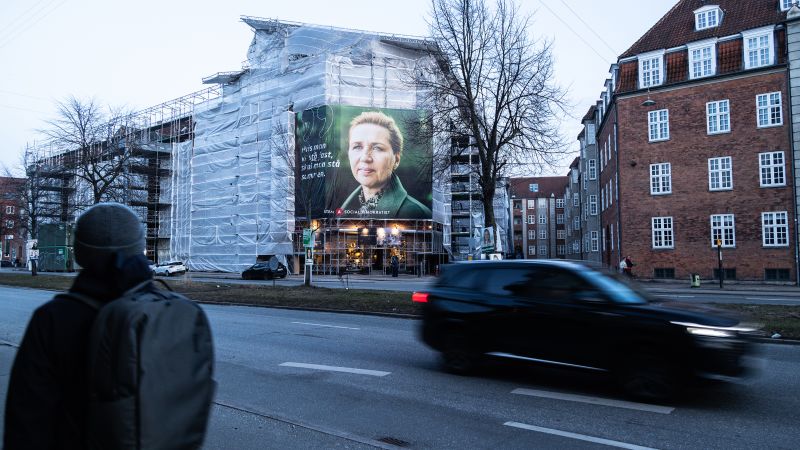
Denmark’s Snap Election: Trump and Greenland in the Spotlight, Yet Voters Prioritize Domestic Matters
Denmark’s Prime Minister Mette Frederiksen is positioning herself on a message of stability as she faces Tuesday’s general elections, aiming to leverage her diplomatic handling of the dispute with the Trump administration regarding Greenland. Her international standing has been bolstered by decisive responses to the Ukraine conflict, the Nord Stream pipeline sabotage, and U.S. President Donald Trump’s assertions about the Arctic territory. Frederiksen, 48, was compelled to call an election before October, timing her campaign to align with these global events. A month after the Greenland crisis resurfaced, her Social Democrats saw a rebound in support, rising from 17% in December polls to 20.9% according to recent Megafon surveys for Danish outlets TV2 and Politiken.
Despite the international attention on Greenland and the transatlantic alliance, domestic conversations center around economic matters. “The campaign is basically about bread-and-butter issues,” said Ulrik Pram Gad, a senior researcher at the Danish Institute for International Studies. “She tried to capitalize on this ‘rally around the flag effect,’ but everybody knew that was more a question of momentum. Because as soon as debates began, it’s really about the economy and environmental affairs this time.” Voters are most preoccupied with the cost-of-living crisis, inequality, and contentious debates over nuclear energy and strict immigration policies. Even niche local concerns, like the welfare of farm pigs, are getting traction in the discourse.
Frederiksen seeks her third term as leader of the nation, but some citizens feel she hasn’t adequately addressed rising housing and food costs. In her final campaign week, she pledged to intervene with food and heating aid if inflation spikes further due to the war in Iran. Her opponents include Troels Lund Poulsen, the current Defense Minister and head of the center-right Liberal (Venstre) party, which is polling at around 10.1% on promises of tax cuts and tighter immigration controls. Another key figure is Alex Vanopslagh, 34, leading the Liberal Alliance on a platform of lower taxes and streamlined bureaucracy, though his campaign has been derailed by a cocaine scandal.
Denmark’s electoral system is inherently complex, with 12 major parties vying for influence. This often results in broad coalitions, requiring immediate compromises among politicians. In tight races, as the fragmented multi-party landscape suggests, Greenland’s two parliamentary seats could tip the balance. “They are reluctant to interfere in Danish domestic politics, and they try to stay out of deciding who’s going to be the prime minister,” Pram Gad explained. “But every time the elections are tight, they are counted for a majority in parliament.”
According to the latest Megafon poll, the “Red Bloc”—a coalition of left-leaning parties including Frederiksen’s Social Democrats—is narrowly ahead. The bloc is projected to secure 86 seats, just several short of the 90 needed for a parliamentary majority in the 179-seat legislature. Meanwhile, the “Blue Bloc” of right-leaning parties is expected to win 78 seats, potentially reaching 89 if the Moderates, led by Foreign Minister Lars Løkke Rasmussen, join their alliance. If the polls hold, Frederiksen could remain in power but face her party’s weakest performance in over a century.
“The campaign is basically about bread-and-butter issues,” said Ulrik Pram Gad, a senior researcher at the Danish Institute for International Studies.
