
Urgent action needed to prevent surge in digital violence in Africa, experts say
Urgent action needed to prevent surge in digital violence in Africa, experts say
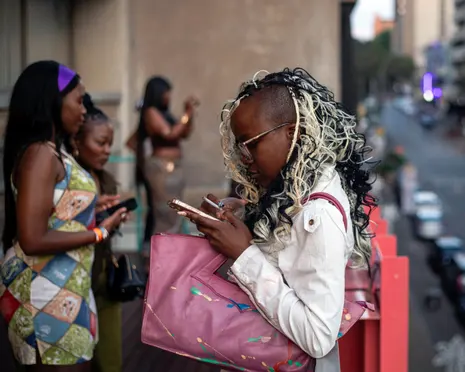
As internet usage grows across Africa, activists and legal professionals are emphasizing the need for swift measures to shield women, girls, and boys from escalating digital violence. Experts highlight that the rise in online users, particularly among the younger generation, has created new avenues for gender-based harm, enabling perpetrators to exert control and suppress voices through technology.
Technology-facilitated gender-based violence defined
The United Nations describes technology-facilitated gender-based violence (TFGBV) as actions involving digital tools that lead to physical, sexual, psychological, or economic harm. This includes everything from doxing to deepfake abuse, all of which can disrupt lives and influence real-world outcomes.
“Unfortunately the world offline is not safe, equal and inclusive. But the world online is proliferating that to such an extent that it’s creating a foundation for a very, very unequal future,” said Ayesha Mago, global advocacy director at the Sexual Violence Research Initiative.
Young people, especially, are vulnerable due to their high engagement with digital platforms. In sub-Saharan Africa, where over 70% of the population is under 30, internet access is expanding rapidly, intensifying the risk of online abuse. This trend threatens to reshape societal norms and amplify existing inequalities.
Forms and impacts of digital violence
Doxing, which involves exposing personal details online, often leads to real-life stalking and physical threats. Deepfake technology, by manipulating images or videos, can tarnish reputations and cause long-term damage. Meanwhile, sexual harassment, intimidation, and sextortion are also widespread, affecting individuals in their personal and professional spheres.
The consequences of such violence are severe. Women and girls face mental health challenges, withdraw from public life, and endure physical attacks, especially in regions where LGBTQI+ identities are stigmatized. Femicide, the most extreme form, can result from a combination of online and offline abuse.
Disproportionate risks for certain groups
Specific communities are more at risk, including young women, women with disabilities, people of color, and members of the LGBTIQ+ community. Women in politics, such as parliamentarians and journalists, also face targeted harassment. The rise of digital violence is not just a virtual issue—it has tangible, life-altering effects.
Research shows that up to 60% of women globally experience TFGBV, with regional studies revealing alarming trends. In Ethiopia, a four-year analysis by the Centre for Information Resilience found that gendered abuse is so pervasive it has become normalized. One interviewee described “no platform feels safe,” highlighting the pervasive nature of the problem.
While internet access is expanding, only 38% of Africans are online, with the rate dropping to 31% for women. National-level studies reveal toxic online environments and extreme levels of violence, underscoring the urgent need for policy reforms and legal protections to address this crisis.
