
Travel bug fears: Doctors urge Brits jetting off abroad over Easter to be extra vigilant amid rise in holidaymakers returning with diseases such as gonorrhoea, malaria and measles
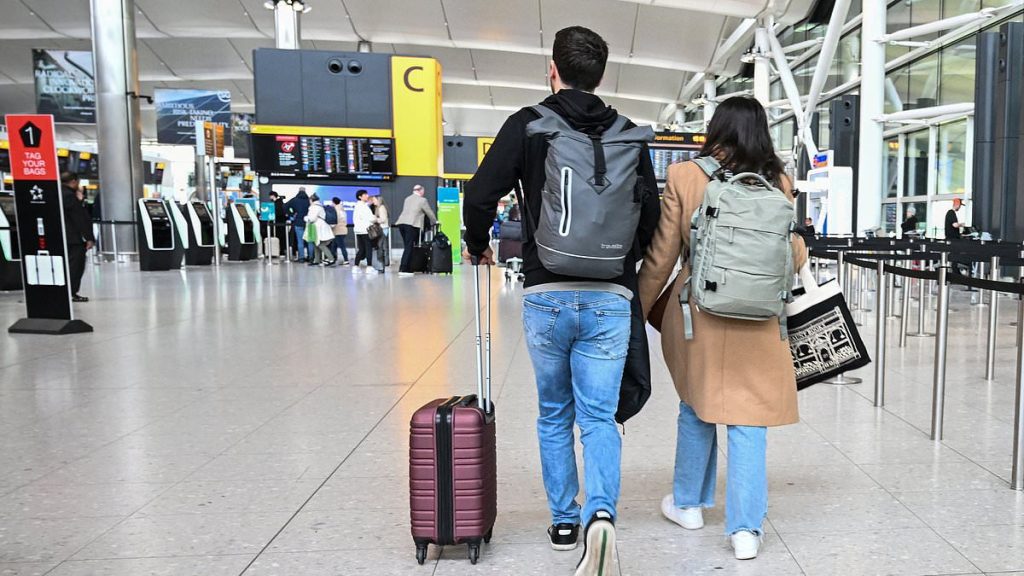
Easter Travel Alert: UK Doctors Warn of Rising Infectious Disease Risks from Overseas Trips
Health experts are alerting travelers to be cautious about global disease outbreaks, citing recent reports of British tourists returning infected with conditions such as malaria, measles, and sexually transmitted infections like gonorrhoea. As families across the UK plan Easter vacations, medical professionals warn of a surge in infectious diseases in popular international destinations.
Healthcare Professionals Sound Alarm Over Disease Spread
A group of frontline medical professionals, researchers, and clinicians from Healthy World, Secure Britain have highlighted that these infections could strain the NHS. Among the conditions on the rise are tuberculosis, malaria, HIV, Mpox, dengue fever, and antibiotic-resistant venereal diseases.
Outbreaks Reported in Key Travel Destinations
Countries like France, Spain, the United States, Egypt, and Turkey are witnessing increased instances of disease outbreaks, while the Asia-Pacific region is grappling with a rise in antibiotic-resistant sexually transmitted infections. In Cape Verde, over 1,500 British travelers fell ill with food poisoning, resulting in six fatalities, prompting a travel alert from health authorities.
Health Officials Link Outbreak to Travel-Borne Illnesses
The UK Health Security Agency (UKHSA) has linked several cases of shigella and salmonella to travel to Cape Verde, where the bacteria spreads through contact with faecal matter via sex, soiled diapers, or contaminated food and water. The outbreak causes bloody and watery diarrhoea, vomiting, fever, and stomach pain that can last for weeks—sometimes leading to death.
Dr. Arshad Rizvi, a London-based GP specializing in global health, emphasized the importance of up-to-date vaccinations, adherence to foreign office guidelines, and heightened awareness during travels. ‘Being vigilant abroad not only safeguards individual health but also helps curb the spread within the UK and eases pressure on the NHS,’ he explained.
Health officials suspect that travelers returning from these regions are contributing to the increase in cases in major UK cities like London and the West Midlands. Dr. Rizvi added that regular handwashing and the use of antibacterial products are recommended to prevent the transmission of infections.
Experts Warn of Consequences from Global Health Funding Cuts
Professor Aubrey Cunnington, Head of Section and Professor of Paediatric Infectious Disease at St Mary’s Hospital, Imperial College Healthcare London, stated, ‘Protecting health in the UK requires stopping diseases like malaria and TB at source. These diseases don’t respect borders, so rising cases are a predictable consequence of funding to tackle them in other countries being decimated.’
The number of Tuberculosis (TB) cases in England rose by 13% to 5,487 in 2024, maintaining high levels in 2025 (5,424). Imported malaria cases have also remained elevated, peaking at over 2,000 in 2023. Globally, there were 282 million dengue cases reported in 2024, with HIV diagnoses steadily climbing since 2020. The UK has lost its measles elimination status for the first time since 2021, with 3,600 new cases recorded in 2024.
Professor James Seddon, a St. Mary’s Hospital consultant, stated, ‘Reducing international health funding is a critical factor in the spread of infectious diseases, which we must address to prevent future outbreaks.’
As part of broader budget cuts, the UK Government has pledged to reduce Official Development Assistance (ODA) from 0.5% of gross national income to 0.3% by 2027. This has led to a decline in spending on international health initiatives, from £1.77 billion in 2024 to a projected £527 million in 2026.
