
AI videos fuel rhetoric as Orbán bids for four more years in Hungary
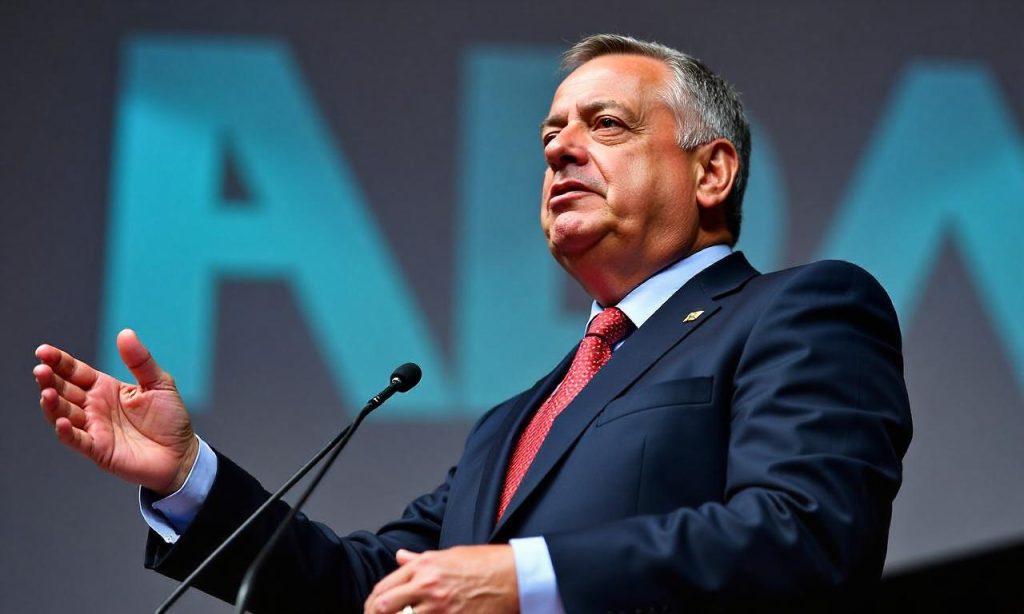
AI-Driven Campaigns Intensify Political Struggle as Orbán Seeks Re-election in Hungary
Amid the lead-up to Hungary’s crucial April 12 elections, a surge in AI-generated content has amplified political tensions. The ruling Fidesz party, led by Prime Minister Viktor Orbán, has deployed synthetic videos to challenge opposition figures, notably Péter Magyar. One such clip, which gained rapid traction, depicted a Hungarian soldier’s execution, sparking outrage among viewers. The disturbing scene—showing a young girl watching her father’s death from a window—was strategically shared on February 12 by Fidesz’s social media channels.
While the video’s AI origins were acknowledged, its message was clear: Magyar, a center-right candidate from the Tisza party, is portrayed as a harbinger of war. Fidesz accused him of secretly supporting Ukraine’s conflict and even using pension funds to finance it. The clip warned that Magyar’s victory could bring the war to Hungary’s doorstep, claiming he would “impose forced conscription.” Yet, Magyar’s party has consistently denied such claims, vowing not to deploy troops to Ukraine and rejecting the idea of reviving conscription.
Other AI-generated videos have further fueled the narrative. Last month, the National Resistance Movement (NEM)—a pro-Fidesz group—posted a clip of a fictional phone call between European Commission President Ursula von der Leyen and Magyar. The video suggested Magyar would readily agree to send Ukraine financial aid, with the caption claiming, “When the phone rings and a request comes, then he won’t be able to say no.” The clip was viewed over 3.7 million times before its authenticity was questioned. Magyar labeled it as “heartless manipulation,” but the video had already been disseminated by pro-government outlets and Fidesz officials.
According to Éva Bognár of the Central European University’s Democracy Institute, the campaign has entered a “state of hallucination,” with Fidesz and its allies using AI to craft a false narrative of impending war. “The whole campaign is a disinformation effort,” she said. “It hinges on the idea that Hungary is on the verge of conflict.” This strategy, while not novel, has escalated with the widespread use of generative AI, which Fidesz has leveraged to spread targeted claims.
In another incident, Hungarian anti-terrorism police detained seven Ukrainian bank workers carrying $80 million in cash and 9 kilograms of gold. The group was en route to Ukraine from Austria, but the government alleged they were financing “pro-Ukraine forces.” The Ukrainian Foreign Ministry accused Hungary of holding the workers hostage and seizing their assets. Despite being released without charges, the event underscored the accusations that Fidesz is using legal measures to undermine opponents.
Fidesz has not yet confirmed whether they produced the execution video, though Orbán himself admitted it was AI-generated. “The video is fake, but the war is really horrible,” it stated, framing the clip as a reflection of Ukraine’s grim reality. Meanwhile, Támas Menczer, Fidesz-KNDP communications director, defended the strategy, asserting that “the greatest possible danger is that Hungarian people could die if Tisza wins.” He emphasized Magyar’s support for the war and financial aid, but omitted any mention of the video’s synthetic nature.
Despite the AI onslaught, Magyar maintains a lead in most opinion polls. His party has criticized the videos as misleading, but the content continues to circulate, illustrating the power of AI in shaping public perception during high-stakes elections.
