
Children’s entertainer Ms. Rachel has a new cause: Freeing kids from ICE detention
Children’s entertainer Ms. Rachel has a new cause: Freeing kids from ICE detention
A Desperate Voice from Dilley
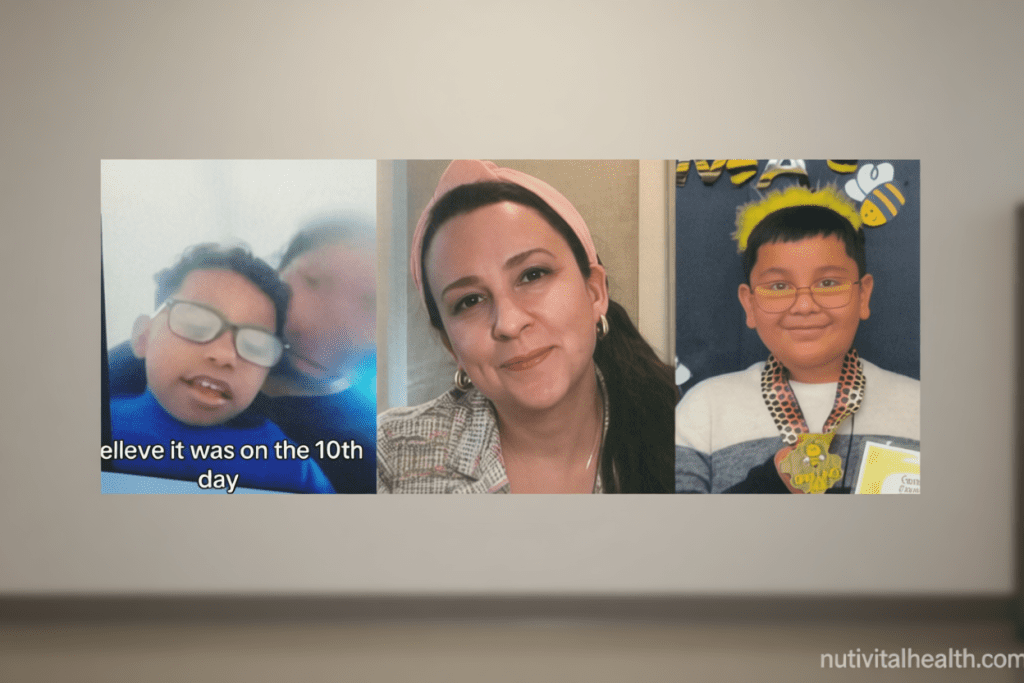
The boy on the video feed appeared distressed. “I don’t want to be here anymore,” he said. “Nothing is good here.” Since March, 9-year-old Deiver Henao Jimenez had been detained with his parents at the Dilley Immigration Processing Center in South Texas. The child lamented missing his friends and mentioned that the food at the facility caused stomach discomfort. Yet his deepest concern was more personal.
“I want to leave and go to the spelling bee,” Deiver confessed. “I won it at school and got third place in regionals.”
Ms. Rachel, whose real name is Rachel Accurso, listened intently during the call. “You have a real gift for spelling. You’re so smart,” she assured him. Her voice, a warm and familiar pitch to millions, seemed to falter as she shared the moment. “It was unbelievably surreal to see this sweet little face and feel like I was on a call with somebody who’s in jail.”
A Nation’s Recognizable Voice
Accurso, known for her educational videos for infants and toddlers, became a household name through her work. Her advocacy, however, has grown beyond the classroom. In recent months, she has highlighted the challenges faced by children in conflict zones like Gaza, Sudan, and the Democratic Republic of Congo. Her efforts have raised substantial funds but also sparked criticism from those who accuse her of favoring certain perspectives in global issues.
Accurso’s attention turned to Dilley after federal agents detained the father of 5-year-old Liam Conejo Ramos in Minneapolis. A striking image of Liam, wearing a blue bunny hat and Spider-Man backpack, circulated online, bringing national scrutiny to the facility. Though the family was eventually released, their asylum request was denied this week.
The Scope of Detention
According to figures from court-appointed monitors, the Trump administration’s immigration crackdown in its first year led to over 2,300 children being detained with their parents. Dilley became the primary site for this policy, housing the majority of those affected. Many spent weeks or months in the center, enduring conditions that have drawn concern from advocates and legal experts.
Reports highlight struggles such as weight loss due to worms in food, anxiety from constant guard patrols, and long waits for basic medical care. Some children have even experienced emergencies while in custody. The New York Times noted a significant drop in numbers, from about 500 in January to around 50 this week, though the cause remains unclear. The decline follows sustained pressure from human rights groups, Democratic lawmakers, and legal professionals.
Advocacy and Defiance
Accurso, who has consistently emphasized that “all children are precious and equal,” now aims to address the issue closer to home. After speaking with Deiver and another child at Dilley, she announced a new mission: collaborating with attorneys and activists to close the center and return families to their communities. “It broke me,” she said, reflecting on the emotional weight of the experience.
The Department of Homeland Security has countered claims of poor conditions, labeling them as “mainstream media lies.” The agency maintains that Dilley is a “purpose-built” facility providing comprehensive care. Yet Accurso’s firsthand account has added urgency to the call for reform, as the plight of these children continues to demand attention.
