
Exclusive: Iranian authorities prepare for civil war scenario
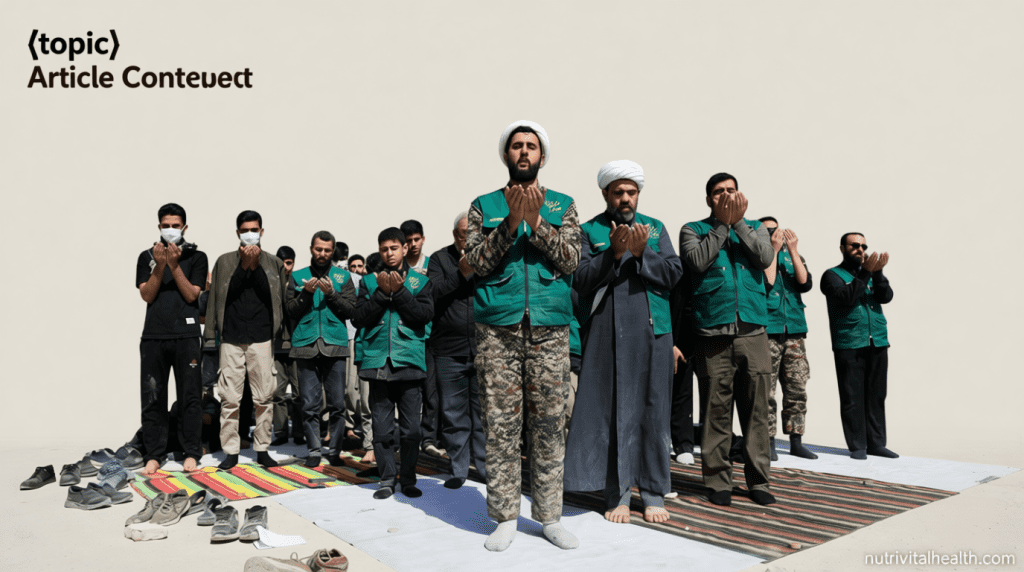
Exclusive: Iranian Authorities Anticipate Internal Conflict
Following sustained strikes by Israel and the United States against Iranian targets, military and political leaders within the country have begun contingency planning for a civil war, according to insiders with knowledge of the situation.
Expanded Operational Authority
After the 12-day conflict with Israel and the US last June, senior security officials from the Islamic Revolutionary Guard Corps (IRGC) determined that another large-scale war was imminent. To address this, they were granted broader authority to operate in western, southwestern, and southeastern regions, enabling independent action if central command communication was disrupted.
“During the previous conflict, it became evident that the US and Israel would repeat tactics used in Iraq and Syria,” a source from the IRGC explained.
The strategy emphasized the creation of autonomous command hubs and increased troop presence in provinces likely to face intense pressure in a domestic conflict. Deployment of ground forces began in September, staged in a manner that masked their true purpose as public military drills.
Kurdish Regions as Key Targets
Kurdish areas have been prioritized, with fears that armed factions in Iraqi Kurdistan, backed by US and Israeli forces, could launch attacks against Iran. A high-ranking official, Ali Larijani, head of the Supreme National Security Council, issued a warning on 28 December:
“Separatist groups should not think they will have an opportunity to act. We will not tolerate them.”
This preparation includes readiness for conflicts in regions where Kurdish opposition has historically been active, such as Kurdistan, East Azerbaijan, and West Azerbaijan. The area has seen persistent tensions with central authorities for over a century, both pre and post the 1979 revolution.
Strategic Alliance and External Support
Recently, five Kurdish militant groups based in Iraqi Kurdistan formed a coalition, signaling their willingness to confront Iranian forces. The Komala Party of Iran, another Kurdish faction, also announced its participation in the alliance. Reports suggest the US is engaging with these groups to encourage their involvement in a ground campaign against Iran.
Analysis of US and Israeli strike locations since February 28 reveals a concentration on Kurdish cities outside Tehran, including Marivan, Sanandaj, Saqqez, Baneh, Sarvabad, and Kermanshah. These strikes have targeted not only military bases but also police stations, local governments, and border posts.
Other Vulnerable Zones
Concerns extend beyond the west and northwest. In Khuzestan, an oil-rich province in the southwest, military commanders have been given enhanced powers to counter separatist movements. The Ahwaziyya group, representing Iran’s Arab minority, has carried out multiple attacks in the region.
Meanwhile, the impoverished southeastern province of Sistan and Baluchestan is also viewed as a potential flashpoint. Armed groups there have frequently attacked government forces and civilians, heightening fears of a broader internal conflict.
On Wednesday, Iran launched missile strikes targeting Kurdish militant headquarters in Iraqi Kurdistan, underscoring its preparedness for a protracted struggle. The commanders of these missile units were aware of the attack plans in advance, according to the source.
