
French minister under fire for Playboy magazine cover
French minister under fire for Playboy magazine cover
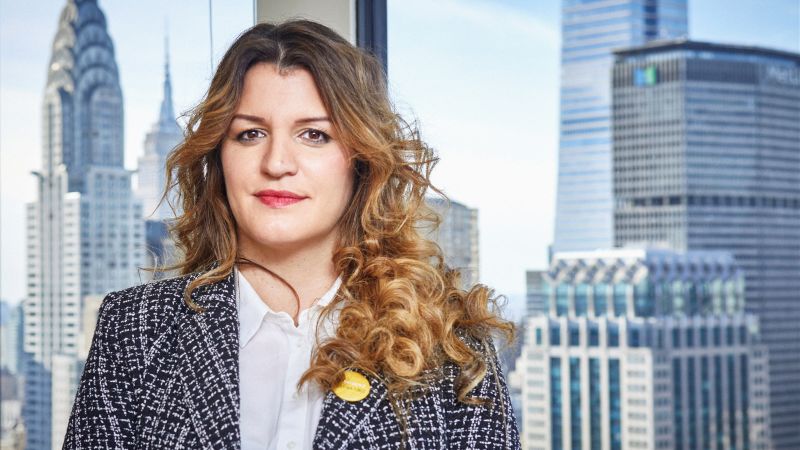
French government minister Marlene Schiappa has sparked controversy after her image graced the cover of Playboy magazine. The move has drawn sharp criticism from political allies within her own party, as she appeared in the photo shoot for a 12-page feature discussing gender equality and LGBTQ+ rights. Wearing a white dress, Schiappa’s presence on the cover has become a focal point of debate, especially amid France’s ongoing political turmoil.
Advocacy and Policy Impact
Schiappa, who has held a ministerial role since 2017, was appointed as the nation’s first Gender Equality Minister in that year. Her tenure saw the implementation of a groundbreaking law allowing immediate fines for men who engage in street harassment or catcalling. Now serving as Minister for the Social Economy and French Associations, she continues to champion progressive policies.
“We are in the middle of a social crisis, there is the issue of policing, there are people between life and death, and I have the impression of being behind a smoke screen,” Sandrine Rousseau, a Green Party politician and women’s rights advocate, told BFMTV Friday.
French Prime Minister Elisabeth Borne publicly questioned Schiappa’s choice, stating it “wasn’t appropriate, especially during this period,” according to a source cited by BFMTV. This critique has intensified as France navigates a crisis fueled by President Emmanuel Macron’s pension reform proposals, which have faced massive public resistance. The reforms have triggered widespread protests and unrest across the country.
Political figures like Jean Luc Mélenchon, who finished third in the 2022 presidential election, have echoed the criticism. He took aim at both Schiappa’s Playboy appearance and Macron’s recent interview in the children’s magazine Pif Gadget, lamenting, “In a country where the President expresses himself in Pif and his minister in Playboy, the problem would be the opposition. France is going off the rails.”
Schiappa defended her decision in a social media post, asserting, “Defending the right of women to have control of their bodies, that’s everywhere and all the time. In France, women are free. With all due respect to the detractors and hypocrites.” Her Interior Minister, Gérald Darmanin, supported her stance, praising her as “a courageous female politician who has her character and who has her style which is not mine, but I respect.”
As tensions mount over Macron’s policies, Schiappa’s bold choice has become a symbol of the broader clash between progressive ideals and traditional perceptions of authority in French politics.
