
Syria walks back Damascus alcohol ban after outcry from residents
Syria walks back Damascus alcohol ban after outcry from residents
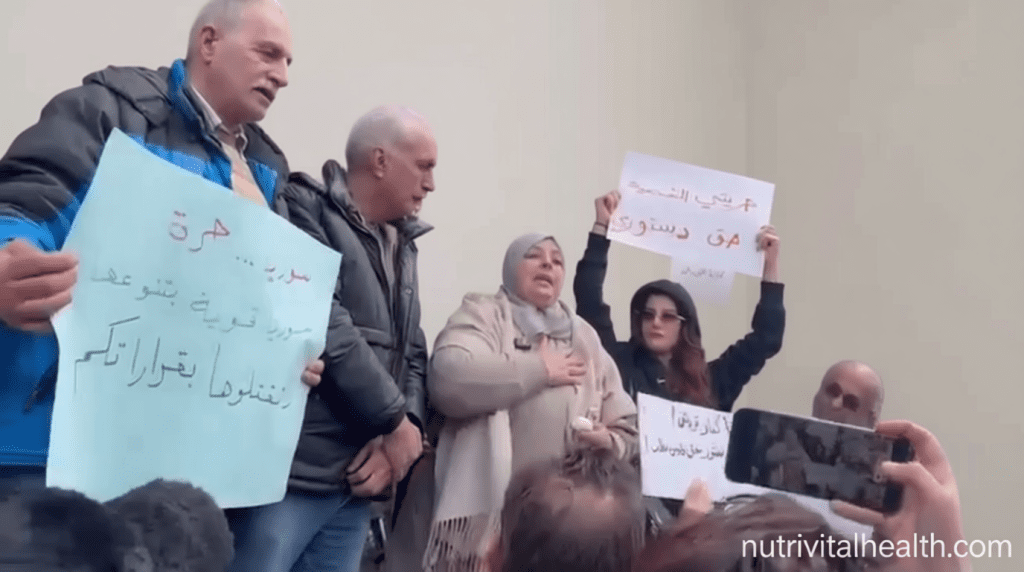
Following widespread resident protests and claims of religious bias, Damascus authorities have revised their alcohol sales restriction. The initial decree, issued on Monday, had barred the sale of alcoholic beverages in restaurants and nightclubs citywide, except for Christian neighborhoods like Bab Touma, Qassaa, and Bab Sharqi.
The decision was framed as an effort to “eradicate behaviors conflicting with societal norms,” but it sparked accusations of favoritism. In response to criticism, the governorate released a clarification on Sunday, expanding exceptions to include tourism-related establishments such as hotels and designated venues.
“The Damascus Governorate apologises to our people in Bab Touma, Qassaa and Bab Sharqi for the misunderstanding that arose from the decision, which was circulated inappropriately,” stated the official notice.
The statement emphasized that these areas are central to Damascus’s cultural and historical identity. It pledged to reassess the three neighborhoods “in a manner that respects the unity of all citizen groups.”
Context of the Transitional Regime
Since ousting Bashar al-Assad in December 2024, the transitional government led by President Ahmed al-Sharaa has maintained a relatively relaxed approach to social policies. However, recent measures—such as a January prohibition on female public sector workers wearing makeup and mandatory full-body swimsuits at public beaches—have raised alarms about potential shifts toward stricter regulations.
The government, which includes Hay’at Tahrir al-Sham—a former al-Qaeda affiliate—has faced challenges in balancing internal stability, external threats from Israel, and diplomatic ties with former allies and adversaries. Despite these hurdles, it argues that popular elections are impractical in the aftermath of Syria’s 13-year conflict, which displaced millions and claimed hundreds of thousands of lives.
Sectarian Concerns and Protests
Residents in Bab Touma, a predominantly Christian district, staged demonstrations against the alcohol ban, citing its divisive impact. Protesters, comprising both Muslims and Christians, described the policy as “sectarian,” warning it risks further fragmenting community ties.
“Restricting alcohol sales to Christian areas could make them prime targets for attacks, given their history of being targeted by extremists,” noted a statement from Christian advocacy groups.
While most Syrians are conservative Sunni Muslims who abstain from alcohol due to religious customs, secular Sunnis and minority communities view the ban as an encroachment on personal freedoms. The revised rule aims to address these tensions by allowing broader access to alcohol in tourist zones.
Parliamentary Elections and Representation Issues
In October, the transitional government conducted parliamentary elections, with Sharaa appointing a third of the seats. The remaining two-thirds were allocated through local committees, yet provinces like Sweida—dominated by Druze—were left without representation, with 32 seats unfilled.
The temporary constitution, introduced in March, outlines a five-year transitional phase before permanent elections. Critics argue the selection process undermines democratic aspirations, as pro-democracy activists had hoped for a more inclusive framework post-Assad.
