
Triceratops skeleton to be auctioned off on platform founded by Pharrell Williams
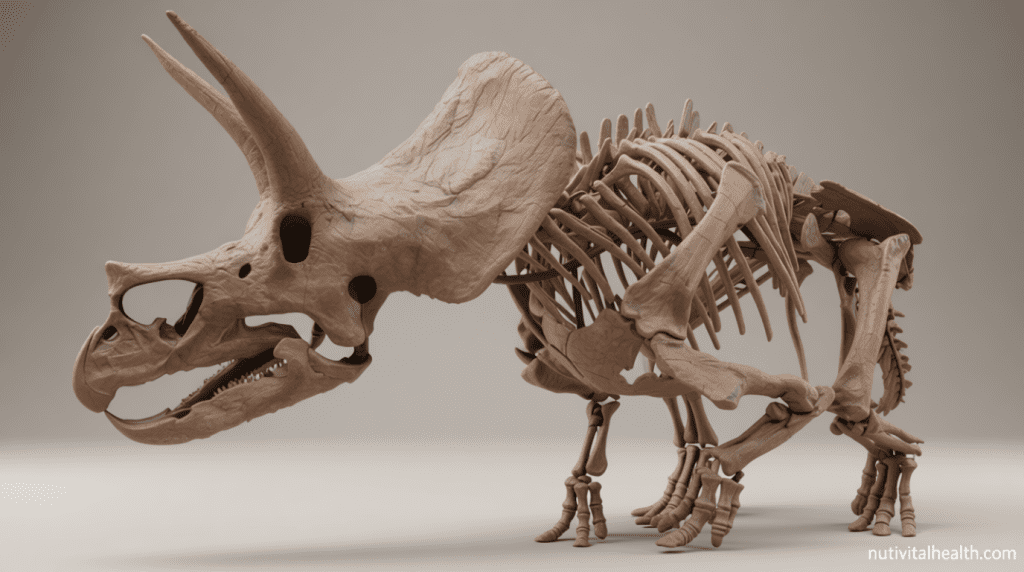
Triceratops Skeleton to Go Up for Bid on Pharrell Williams’ Auction Platform
A prominent triceratops fossil, known as ‘Trey,’ which spent years in a Wyoming museum, is set to be sold online through Joopiter—a digital auction service launched by Grammy-winning artist Pharrell Williams. This marks a notable event as museum-displayed dinosaurs enter the auction market, capitalizing on the surge in demand for prehistoric remains.
The skeleton, estimated to fetch between $4.5 million and $5.5 million, will be available for bidding from March 17 to 31. Its journey began in 1993 when Lee Campbell and the late Allen Graffham uncovered it near Lusk, Wyoming. Graffham, a renowned commercial paleontologist, made several significant discoveries throughout his career.
Trey, a 17-foot-long herbivore, became a centerpiece at the Wyoming Dinosaur Center in Thermopolis during its 1995 opening. It remained on exhibit there until 2023, before being privately acquired and relocated to Singapore for a final preview period. The fossil’s presence in the city-state highlights its growing appeal beyond traditional museum settings.
Auction Market Trends and Cultural Value
The fossil’s significance extends beyond its scientific value, according to Andre LuJan, a paleontologist collaborating with Joopiter. ‘This one has this cultural aspect that many auctioned fossils lack,’ LuJan remarked, noting its potential to inspire future generations in the field of paleontology.
‘This one is connected to people and undoubtedly has inspired young children who’ve seen it to pursue a career in paleontology.’
The dinosaur fossil market has seen record-breaking sales recently. In 2024, a stegosaurus skeleton named ‘Apex’ sold for $44.6 million, surpassing the previous high of $31.8 million set in 2020 for a Tyrannosaurus rex named ‘Stan.’ Such figures underscore a shift in how fossils are valued as both scientific artifacts and investment opportunities.
Investment Shift and Concerns
Caitlin Donovan, Joopiter’s global sales director, highlighted the trend toward items with ‘cultural resonance.’ She explained, ‘(Dinosaurs) have always captivated our imagination … and people are now starting to see the value in investing in these as assets.’ This sentiment reflects a broader movement away from classic art categories like old master paintings.
However, some scientists worry that prized specimens are becoming harder to access for research. Kristi Curry Rogers, a paleontologist at Macalester College, observed, ‘Public museums are getting totally priced out of an exploding market.’ She emphasized the risk of important fossils vanishing into private collections, limiting scientific study.
‘If a fossil goes into a private collection without guaranteed access forever, that data is essentially lost to science.’
Trey’s story aligns with recent trends, as it was already privately owned before its auction. LuJan expressed hope that it might find a home in a museum, echoing the fate of ‘Apex,’ which is now displayed at New York’s American Museum of Natural History after its buyer committed to a long-term loan agreement.
Triceratops, a large herbivorous dinosaur, thrived during the late Cretaceous period, around 66 million years ago. The name ‘Triceratops’ translates to ‘three-horned face,’ referencing its distinctive two brow horns and a smaller nose horn. The fossil’s spine, visible in a photo at Le Freeport in Singapore, adds to its visual and historical allure.
