
Police to use Thames to separate protesters at Al Quds protest
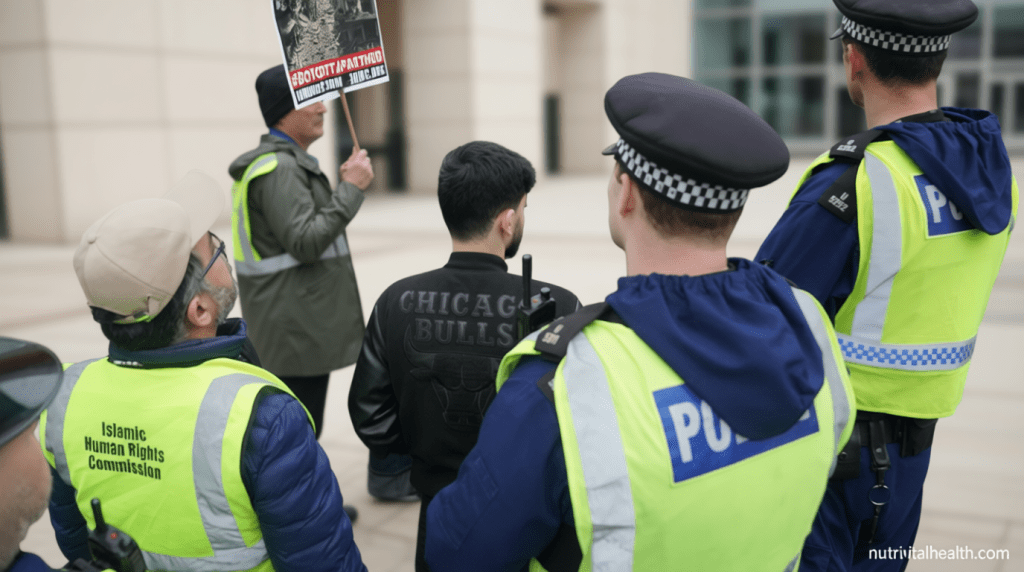
London Police Deploy River Thames as Protest Separator at Al Quds Rally
The London Metropolitan Police have decided to employ the River Thames as a physical barrier between demonstrators and opposing groups during the Al Quds Day rally in central London on Sunday.
Banned March and Met’s Role
A planned demonstration toward the Home Office was banned earlier this week after Home Secretary Shabana Mahmood approved the Met’s request to block it, citing concerns over serious public disorder.
The Metropolitan Police noted that the event’s organizers, the Islamic Human Rights Commission (IHRC), were ‘supportive of the Iranian regime.’ This marks the first such ban by the Met in 14 years.
Protest Strategy and Police Measures
During a Thursday briefing, Assistant Commissioner Ade Adelekan stated that deploying the Thames as a buffer between opposing factions represents a ‘new bespoke tactic’ to address the ‘unique set of circumstances’ associated with the Al Quds rally.
Authorities anticipate at least 6,000 participants at the Al Quds protest, with an additional 6,000 counter-protesters. However, they cautioned that numbers could rise substantially due to heightened tensions in the Middle East.
Event Details and Safety Precautions
Demonstrators at the Al Quds march will be positioned on Albert Embankment to the south of the River Thames, whereas counter-protesters will be restricted to Millbank. Lambeth and Vauxhall Bridges will be closed to all vehicles except emergency services.
Over 1,000 officers, including community policing units and additional forces, will oversee the event. Increased patrols will also be deployed near other ‘vulnerable places’ in London, particularly those with significant Jewish populations.
Zero Tolerance Policy
Adelekan emphasized that ground officers ‘will be briefed to act decisively,’ with particular attention to placards
