
WHO chief raises alarm over scale of Ebola outbreak after death toll climbs
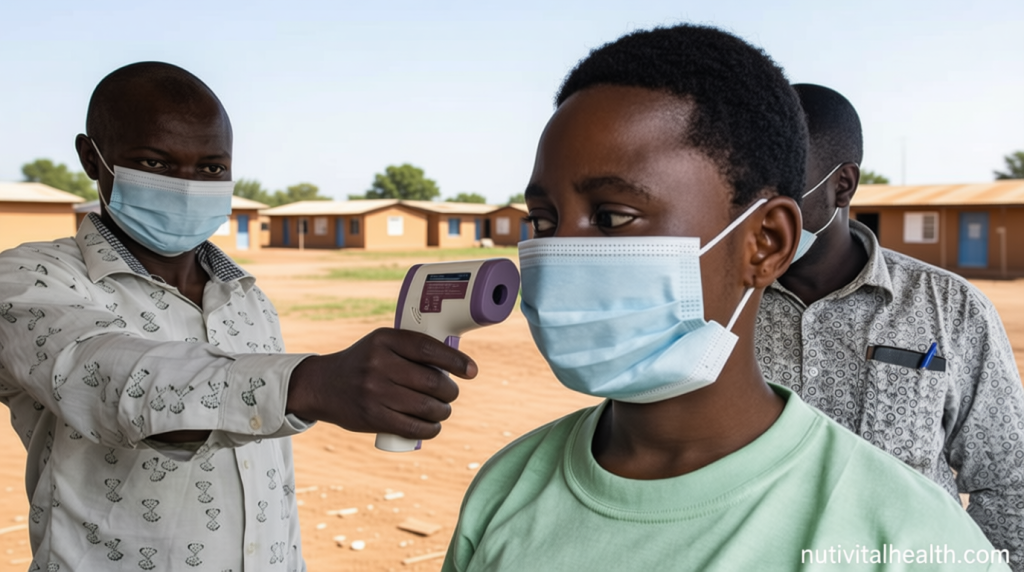
WHO Chief Expresses Deep Concern Over Rapid Spread of Ebola Outbreak
WHO chief raises alarm over scale – On Tuesday, the head of the World Health Organization (WHO) issued a stark warning about the accelerating nature of the Ebola crisis in the Democratic Republic of Congo (DRC) and neighboring Uganda. The alarming situation has sparked discussions on the virus’s ability to spread unnoticed for weeks, prompting questions about preparedness and response strategies. According to the DRC’s health minister, Dr. Samuel Roger Kamba, the death toll from the outbreak has reached 131, with over 500 cases suspected. Dr. Tedros Adhanom Ghebreyesus, the WHO Director-General, emphasized that the disease is now affecting 30 confirmed individuals in the DRC’s northeastern Ituri province.
Spread of Bundibugyo Virus in Remote Areas
The current outbreak is attributed to the Bundibugyo virus, a strain of Orthoebolaviruses that has been responsible for multiple outbreaks in the region. Tedros highlighted that the virus is primarily targeting the remote Ituri province, which has limited healthcare infrastructure. In Uganda, two laboratory-confirmed cases have also emerged in the capital, Kampala, according to the WHO. These developments underscore the virus’s capacity to cross borders and intensify regional health challenges.
Medical professionals are currently exploring treatment options for the Bundibugyo virus. Dr. Satish Pillai, a deputy director at the US Centers for Disease Control (CDC), mentioned that researchers are working on a monoclonal antibody therapy as a potential remedy. However, no specific timeline has been provided for its availability. Meanwhile, the Africa Centres for Disease Control and Prevention (Africa CDC) reiterated that Ebola is transmitted through direct contact with bodily fluids, contaminated materials, or deceased individuals.
Challenges in Controlling the Outbreak
Regional health officials and aid workers pointed to several factors that have impeded efforts to contain the virus. Years of conflict in the DRC, along with substantial aid reductions and widespread malnutrition, have created a difficult environment for effective intervention. One relief worker warned that children are especially at risk due to the outbreak’s impact on vulnerable populations.
“Children are the most vulnerable in this crisis,” said Philippe Guiton, the national director for World Vision in the DRC. “They are already suffering from the effects of conflict, and the lack of resources has made it even harder to provide adequate care.”
David Munkley, the east zone director for World Vision, added that Ituri province is grappling with a severe shortage of healthcare access, exacerbating the spread of the virus. “The region is experiencing an urgent situation of acute malnutrition, which further weakens immune systems,” he explained. “Combined with the instability from ongoing conflict, this has created a perfect storm for the outbreak to take hold.”
Tedros also noted the escalating insecurity in Ituri. “Since late 2025, conflict has intensified, and the fighting has become more frequent, leading to numerous civilian casualties,” he stated during an emergency meeting. The displacement of over 100,000 people has increased the risk of further transmission, as mobility within the region continues to rise.
International Response and Travel Restrictions
In response to the growing threat, the United States activated a public health law on Monday to restrict travel from the affected areas. This measure came after a US citizen tested positive for the Bundibugyo strain in the DRC. The individual is now being transported to Germany for treatment at Charité university hospital in Berlin, as confirmed by the German health ministry.
US Secretary of State Marco Rubio acknowledged the difficulty of reaching certain parts of the DRC. “The region is rural and has been affected by conflict, making it challenging for aid to reach those in need,” he said during a press briefing. This remark reflects the broader challenges faced by international organizations in deploying resources to remote and conflict-prone areas.
Experts have also raised questions about the delay in identifying the initial cases. Despite multiple outbreaks in recent years, the virus managed to spread undetected for weeks. Craig Spencer, a doctor who survived Ebola in 2014, shared his perspective on the matter. “The lessons learned from past outbreaks have been critical, but I believe the true scale of this crisis is still underreported,” Spencer told CNN. “The numbers we see now may only be the tip of the iceberg.”
Historical Context and Regional Impact
The DRC’s struggle with Ebola is part of a larger pattern of outbreaks. The most significant in recent history occurred in West Africa from 2014 to 2016, resulting in over 11,325 fatalities and more than 28,600 infections. This event highlighted the virus’s potential for rapid spread and the importance of timely intervention.
Tedros has stressed the need for improved coordination and resources to tackle the current outbreak. “The scale and speed of this crisis are unprecedented, and we must act swiftly to prevent further escalation,” he said. The situation in Ituri, however, remains particularly dire, with its remote location and ongoing conflict complicating containment efforts.
Uganda’s authorities have sought to calm fears of local transmission, noting that the two cases reported in Kampala involved Congolese nationals who had traveled from the DRC. Despite this, the outbreak has already caused disruptions, prompting calls for enhanced monitoring and community engagement. The Africa CDC has criticized the US travel restrictions, arguing that they may be overly cautious in the absence of confirmed local spread.
As the situation evolves, the focus remains on controlling the virus’s spread while addressing the underlying factors that make the DRC and Uganda especially susceptible to outbreaks. With no approved treatments or vaccines specific to the Bundibugyo strain, the global health community is racing to develop effective solutions before the crisis worsens further. The WHO’s urgent warnings, combined with the challenges on the ground, highlight the need for a coordinated and sustained response to this emerging threat.
