
How to Manage Menstrual Pain Safely and Effectively
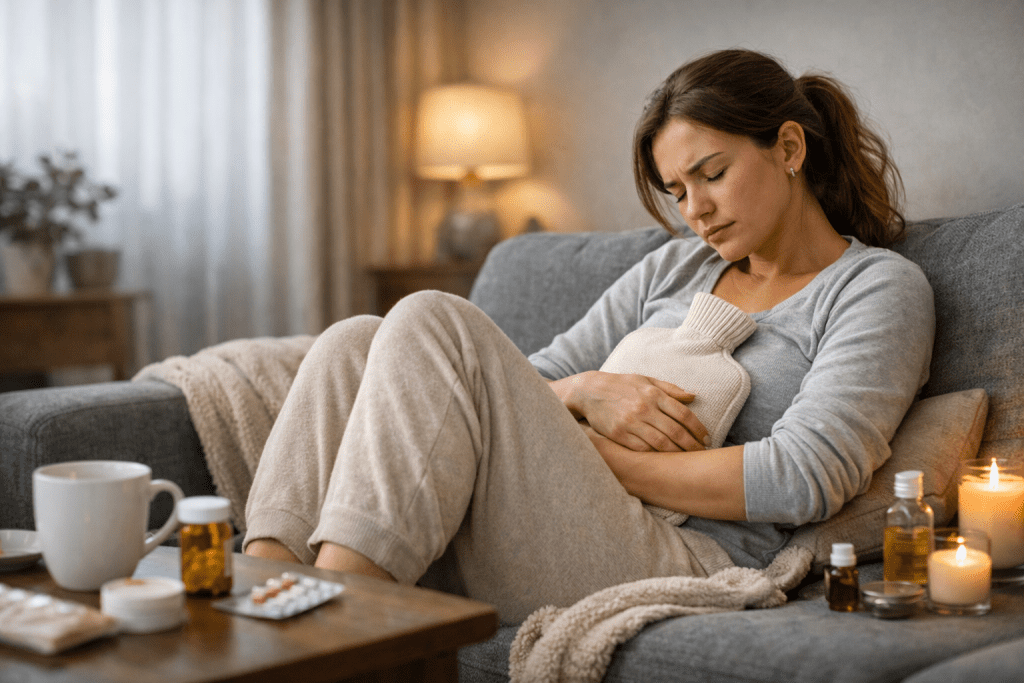
Menstrual pain is a common experience for many women, often beginning a day before bleeding starts and lasting up to three days. The discomfort can range from mild cramping to severe pain that interferes with daily activities. Understanding how to manage menstrual pain safely and effectively allows you to reduce discomfort without harming your body. With the right combination of lifestyle adjustments, home remedies, and medical options, most menstrual pain can be controlled successfully.
Understanding Why Menstrual Pain Happens
Menstrual pain, also known as dysmenorrhea, occurs when the uterus contracts to shed its lining. These contractions are triggered by hormone-like substances called prostaglandins. Higher levels of prostaglandins can cause stronger uterine contractions, leading to more intense cramps.
There are two main types of menstrual pain. Primary dysmenorrhea is common and not linked to underlying health conditions. Secondary dysmenorrhea is caused by conditions such as endometriosis, fibroids, or pelvic inflammatory disease.
Recognizing the cause of your pain is the first step in understanding how to manage menstrual pain properly. If pain is unusually severe, worsens over time, or is accompanied by heavy bleeding, medical evaluation is necessary.
Lifestyle Adjustments That Reduce Cramps
Simple lifestyle changes can significantly reduce menstrual discomfort. Regular physical activity improves blood circulation and stimulates the release of endorphins, which act as natural pain relievers. Even light exercises like walking, stretching, or yoga can ease cramping.
Adequate sleep also plays a role in pain control. Poor sleep increases sensitivity to pain and stress hormones. Maintaining a consistent sleep schedule can improve the body’s ability to cope with menstrual discomfort.
Dietary habits influence inflammation and hormonal balance. Reducing processed foods, excess salt, caffeine, and sugar may decrease bloating and cramps. Increasing intake of leafy greens, whole grains, fruits, and foods rich in magnesium and omega-3 fatty acids supports muscle relaxation and reduces inflammation.
Hydration is often overlooked. Drinking enough water helps prevent bloating and may reduce the intensity of uterine contractions. These lifestyle changes form a safe foundation for managing monthly pain.
Safe Home Remedies for Menstrual Pain Relief
Many women look for non-medical approaches when learning how to manage menstrual pain. One of the most effective remedies is heat therapy. Applying a heating pad or warm compress to the lower abdomen relaxes uterine muscles and improves blood flow, which reduces cramping.
Warm baths provide similar benefits by relaxing the entire body. Heat works as effectively as some over-the-counter pain medications for mild to moderate cramps. It is a simple and low-risk method.
Gentle abdominal massage can also help. Massaging the lower abdomen with light pressure improves circulation and reduces muscle tension. Using essential oils such as lavender in diluted form may enhance relaxation, though sensitivity should be tested first.
Certain herbal teas, including ginger or chamomile, may offer mild anti-inflammatory effects. While evidence varies, these natural remedies are generally safe when consumed in moderation. However, herbal supplements should be used carefully and not as replacements for medical care when pain is severe.
Medications and Medical Treatments
For many women, over-the-counter medications are necessary to control pain. Nonsteroidal anti-inflammatory drugs (NSAIDs) such as ibuprofen and naproxen reduce prostaglandin production, directly targeting the cause of cramps. These are often most effective when taken at the first sign of discomfort.
It is important to follow dosage instructions carefully to avoid stomach irritation or other side effects. Taking NSAIDs with food can reduce gastrointestinal discomfort. These medications are widely recommended as first-line treatment for primary dysmenorrhea.
Hormonal contraceptives, including birth control pills, patches, or hormonal intrauterine devices, can also reduce menstrual pain. They work by thinning the uterine lining and decreasing prostaglandin levels. Many women experience lighter and less painful periods as a result.
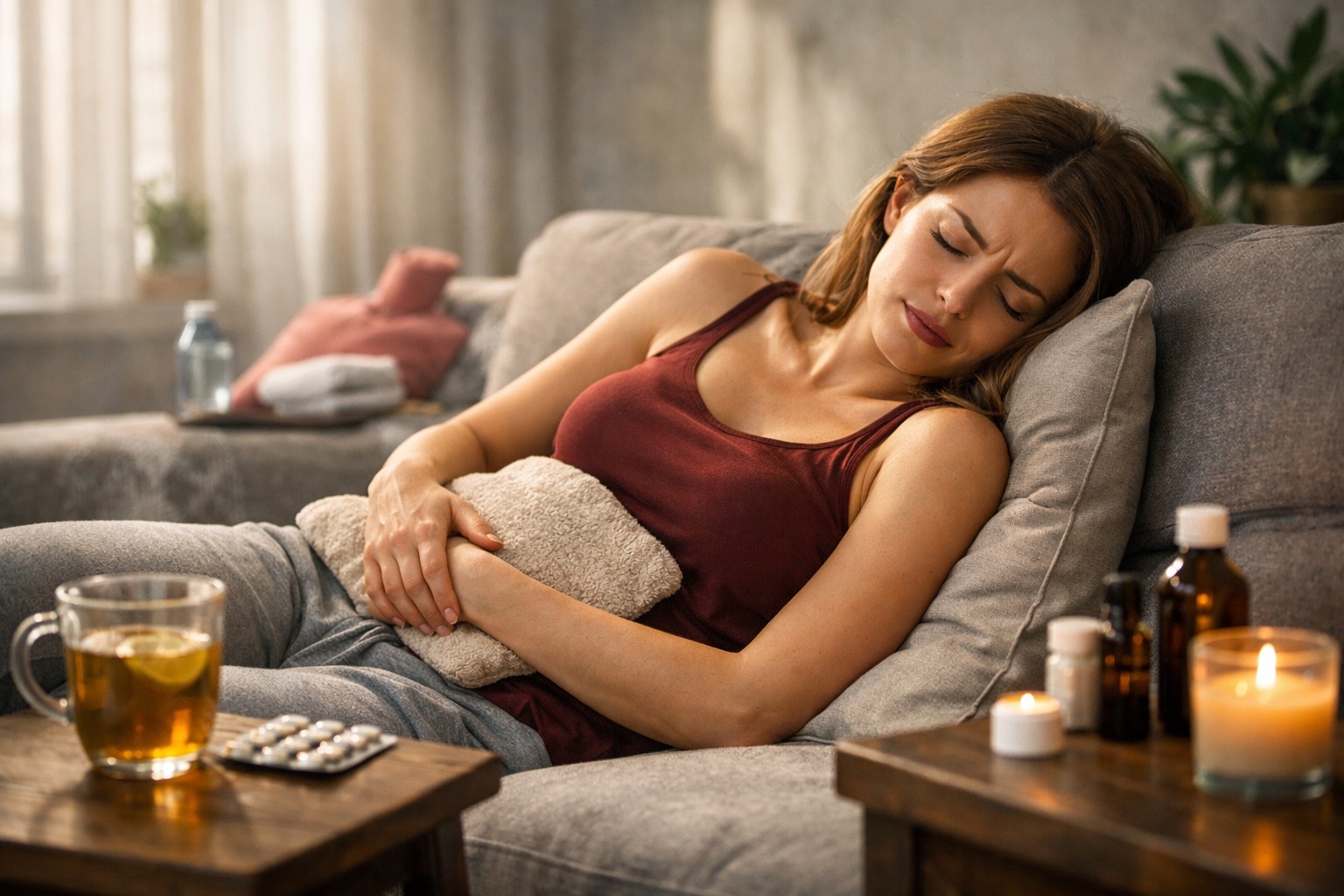
If pain persists despite medication, further medical investigation is required. Conditions such as endometriosis or fibroids may need targeted treatment. Knowing when to seek professional care is a critical part of understanding how to manage menstrual pain safely.
Stress Management and Hormonal Balance
Stress influences hormone levels and increases muscle tension, both of which can intensify menstrual cramps. Practicing stress reduction techniques such as deep breathing, meditation, or progressive muscle relaxation can lower overall pain perception.
Chronic stress raises cortisol levels, which can disrupt hormonal balance and worsen menstrual symptoms. Incorporating relaxation practices into daily life supports long-term menstrual health. Even 10 minutes of focused breathing daily can make a difference.
Maintaining a stable routine, limiting excessive workload, and setting boundaries during menstruation can reduce physical strain. Emotional well-being directly affects physical pain response. Managing stress is not optional; it is part of a comprehensive strategy.
When Menstrual Pain Requires Medical Attention
While most menstrual cramps are manageable, certain symptoms indicate a need for medical evaluation. Severe pain that prevents normal functioning, pain that suddenly becomes worse, or bleeding that lasts longer than seven days should not be ignored.
Additional warning signs include fever, foul-smelling discharge, or pain unrelated to the menstrual cycle. These may signal infection or underlying reproductive conditions. Early diagnosis improves treatment outcomes.
Tracking your menstrual cycle helps identify patterns and abnormalities. Recording pain intensity, duration, and associated symptoms provides valuable information for healthcare providers. This systematic approach improves accuracy in determining how to manage menstrual pain effectively.
Conclusion
Learning how to manage menstrual pain involves combining lifestyle habits, safe home remedies, appropriate medication, and medical evaluation when necessary. Most menstrual discomfort can be reduced through heat therapy, regular exercise, balanced nutrition, stress control, and proper use of NSAIDs. Severe or worsening pain requires professional assessment to rule out underlying conditions. A structured and informed approach ensures relief without compromising long-term health.
FAQ
Q: What is the fastest way to relieve menstrual cramps? A: Applying heat to the lower abdomen and taking NSAIDs such as ibuprofen at the onset of pain are among the quickest and most effective methods.
Q: Is it safe to exercise during menstrual pain? A: Yes, light to moderate exercise can reduce cramps by improving blood flow and releasing natural pain-relieving endorphins.
Q: When should I see a doctor for menstrual pain? A: Seek medical care if the pain is severe, worsening, accompanied by heavy bleeding, or interfering with daily activities.
Q: Can diet affect menstrual cramps? A: Yes, reducing processed foods and increasing magnesium and omega-3 intake may help decrease inflammation and muscle tension.
Q: Do hormonal birth control methods reduce menstrual pain? A: Hormonal contraceptives often lessen cramps by lowering prostaglandin levels and thinning the uterine lining.
