
Postpartum Recovery Exercises: Essential Guide to Heal Faster and Regain
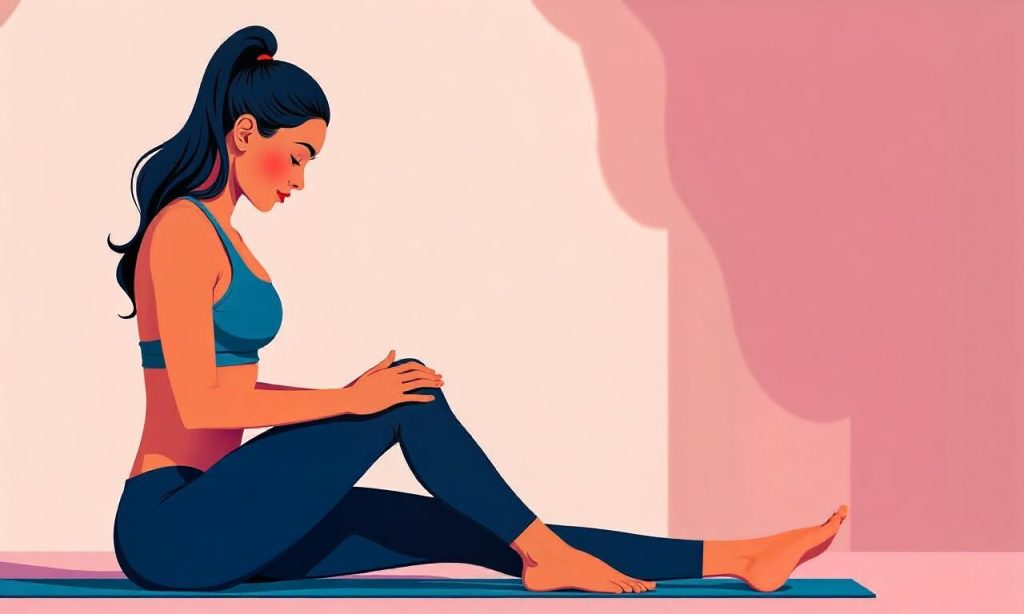
Postpartum recovery exercises are crucial for new mothers who want to regain their physical strength and emotional well-being after childbirth. The transition from pregnancy to motherhood is a time of immense change, both physically and mentally, and taking the time to heal properly can make a significant difference in overall health. Whether you’ve had a vaginal birth or a cesarean section, the body needs support to rebuild its strength, restore muscle tone, and recover from the stresses of labor. Postpartum recovery exercises not only help with physical healing but also play a vital role in boosting confidence and reducing postpartum fatigue. By incorporating these exercises into your daily routine, you can accelerate the recovery process and feel more like yourself again. However, it’s important to approach them with care, as the body is still adjusting to its new state. This guide will explore the benefits of postpartum recovery exercises, the best routines to follow, and how to integrate them into your life for long-term success.
Understanding the Importance of Postpartum Recovery Exercises
After giving birth, the body undergoes a series of changes that require time and attention to heal. The postpartum recovery exercises are designed to address these changes by strengthening muscles, improving flexibility, and supporting the recovery of the pelvic floor and core. One of the primary reasons these exercises are essential is that they help reduce the risk of complications such as pelvic organ prolapse, incontinence, and diastasis recti. These conditions are common among postpartum women, especially those who experienced a high-impact delivery or multiple pregnancies. Without proper exercise, the weakened muscles and ligaments may take longer to recover, leading to discomfort and limitations in daily activities.
Moreover, postpartum recovery exercises are not just about physical healing—they also contribute to mental well-being. Many new mothers struggle with fatigue, mood swings, and anxiety, which can be exacerbated by a lack of movement. Regular activity, even in small amounts, can help boost endorphins and improve sleep quality, making it easier to manage the demands of caring for a newborn. The postpartum recovery exercises also help with posture, as the body often adjusts to a new center of gravity after childbirth. Strengthening the back and core muscles can alleviate back pain and make standing or lifting your baby more comfortable.
It’s important to note that every woman’s recovery journey is unique. Factors such as the type of delivery, the length of labor, and individual health conditions can influence the pace and nature of healing. For instance, women who have undergone a cesarean section may need to avoid high-impact exercises for the first few weeks, while those with a vaginal birth can gradually reintroduce more intense movements. By understanding the importance of these exercises, mothers can create a personalized routine that supports their body’s natural healing process and helps them regain their strength over time.
Key Benefits of Postpartum Recovery Exercises
The benefits of postpartum recovery exercises extend beyond physical healing, impacting both mental and emotional health. One of the most immediate advantages is the reduction of postpartum fatigue. Exercise increases blood flow and oxygen to the muscles, which can help alleviate the exhaustion that often accompanies the early stages of motherhood. Additionally, regular physical activity stimulates the release of endorphins, the body’s natural mood elevators, which can combat feelings of anxiety and depression. This is particularly important for women who may experience postpartum mood disorders, as movement can serve as a simple yet effective tool for emotional regulation.
Another significant benefit is the improvement of core strength and muscle tone. During pregnancy, the body undergoes hormonal changes that relax ligaments and muscles, making them more susceptible to strain. The postpartum recovery exercises help rebuild this strength by targeting the abdominal and pelvic floor muscles, which are critical for supporting the internal organs and maintaining proper posture. For example, exercises like pelvic tilts and Kegels can restore muscle function and reduce the risk of back pain. Over time, these exercises can also enhance the mother’s ability to perform daily tasks, such as lifting or carrying the baby, with greater ease and confidence.
In addition to physical recovery, postpartum recovery exercises play a key role in preventing long-term complications. Diastasis recti, a condition where the abdominal muscles separate during pregnancy, can be addressed through targeted core exercises that promote healing and alignment. Similarly, weak pelvic floor muscles can lead to issues like urinary incontinence, but postpartum recovery exercises such as Kegels can strengthen these muscles and improve bladder control. By prioritizing these exercises, mothers can take proactive steps to ensure their bodies recover fully and remain strong for future activities.
The postpartum recovery exercises also contribute to better sleep patterns and increased energy levels. Physical activity can help regulate the body’s circadian rhythm, making it easier to fall asleep and stay asleep through the night. This is especially beneficial for new mothers who often face disrupted sleep due to feeding and caring for their baby. Furthermore, a consistent exercise routine can improve circulation, reduce swelling, and promote overall wellness, which can have a ripple effect on mental health. The postpartum recovery exercises create a sense of accomplishment and routine, helping mothers feel more in control of their lives as they navigate the challenges of parenthood.
Essential Postpartum Recovery Exercises to Include
When designing a postpartum recovery exercises routine, it’s important to start with gentle, low-impact movements that allow the body to heal without causing strain. One of the first exercises to incorporate is pelvic tilts, which helps strengthen the core and improve posture. To perform this exercise, lie on your back with knees bent and feet flat on the floor. Tighten your abdominal muscles and press your lower back into the floor, holding for a few seconds before releasing. Repeat this motion for several minutes each day, gradually increasing the duration as your strength improves. This simple movement is particularly beneficial for reducing lower back pain and promoting pelvic floor recovery.
Another important exercise is Kegels, which target the pelvic floor muscles and help prevent issues like urinary incontinence. To do Kegels, identify the muscles you use to stop the flow of urine midstream. Once you’ve located these muscles, contract them for a few seconds, then release. Repeat this process 10-15 times, gradually increasing the number of repetitions as your muscles become stronger. It’s best to perform Kegels in a quiet, comfortable setting, such as when your baby is napping or during downtime. These exercises can be done discreetly and are ideal for integrating into a daily routine.
Gentle walking is another excellent addition to a postpartum recovery exercises plan. Walking not only helps with cardiovascular health but also promotes circulation, which can reduce swelling and support the healing of the uterine lining. Start with short walks of 10-15 minutes and gradually increase the distance as your energy levels improve. This low-impact activity is also a great way to bond with your baby, as you can carry them or use a stroller while walking. Postural exercises are crucial for addressing the changes in posture that occur during pregnancy and childbirth. The weight of the baby and the shifting center of gravity can lead to a forward-leaning posture, which may cause back pain and stiffness. To counteract this, incorporate exercises that strengthen the back and shoulder muscles, such as cat-cow stretches and child’s pose. These movements can help realign the spine and reduce discomfort. Additionally, side-lying leg lifts can strengthen the hip muscles and improve stability, which is especially important for women who have experienced a vaginal birth.
As you progress in your postpartum recovery exercises routine, you can introduce more advanced movements. Bridge exercises are a great way to strengthen the glutes and lower back, which are essential for overall core stability. Lie on your back with knees bent and feet flat on the floor, then lift your hips to form a straight line from your shoulders to your knees. Hold for a few seconds before lowering back down. Repeat this motion 10-15 times. This exercise is particularly beneficial for mothers who have had a cesarean section, as it helps rebuild strength without putting pressure on the surgical site.
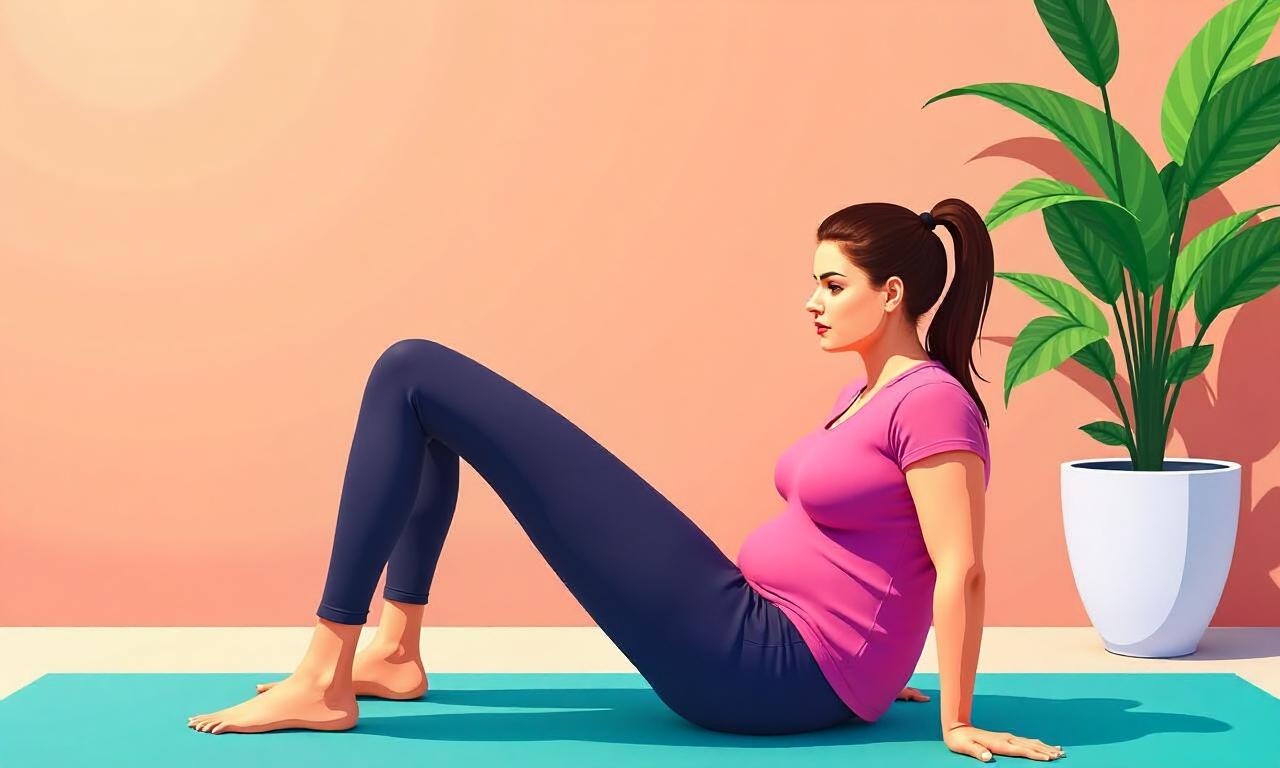
For those looking to regain core strength, abdominal bracing can be a useful technique. This involves engaging the deep core muscles without fully contracting them, which helps support the spine and reduce strain on the abdominal wall. To perform this, lie on your back with knees bent and feet flat, then draw your belly button toward your spine. Hold this contraction for a few seconds before releasing. Repeat this motion several times a day, as it can help improve core stability without overexerting the muscles.
How to Start and Maintain a Postpartum Exercise Routine
Starting a postpartum recovery exercises routine requires patience, as the body needs time to adjust to the changes after childbirth. It’s recommended to begin with light exercises such as breathing techniques and gentle stretching to ease into physical activity without overworking the muscles. For example, diaphragmatic breathing can help relax the body, reduce stress, and improve oxygen flow to the muscles. Sit in a comfortable position, place one hand on your abdomen, and inhale deeply through your nose, allowing your belly to rise. Exhale slowly through your mouth, contracting your abdominal muscles. Repeat this for a few minutes each day.
To maintain consistency in your postpartum recovery exercises routine, consider setting a daily schedule that fits into your lifestyle. For instance, you can dedicate 10-15 minutes in the morning or after your baby sleeps to perform a short workout. It’s also helpful to track your progress, whether through a journal, app, or simple checklist. This not only keeps you motivated but also allows you to identify which exercises are most effective for your body. Additionally, gradually increasing the intensity of your workouts can prevent injuries and ensure sustainable progress. Start with one or two exercises per day and add more as your strength and endurance improve.
Another strategy is to combine exercise with daily tasks. For example, you can perform Kegels while waiting for your baby to finish feeding or do gentle walking while running errands. This approach makes physical activity feel less like a chore and more like a natural part of your day. It’s also important to listen to your body and adjust your routine based on how you feel. If you experience pain or discomfort, take a break and consult with a healthcare provider before resuming more intense exercises.
To stay motivated, find exercises you enjoy. Whether it’s yoga, swimming, or dancing, incorporating activities you find fun can make your postpartum recovery exercises routine more engaging. Joining a postpartum fitness class or working out with a partner can also provide social support and accountability. Additionally, celebrate small milestones in your recovery journey, such as completing a full set of exercises or walking for longer periods without fatigue. These moments of achievement can reinforce the positive impact of your efforts.
Finally, consistency is key to seeing long-term results from your postpartum recovery exercises. Even short, regular sessions can make a difference in your overall health and well-being. Over time, as your body heals, you can introduce more challenging exercises to further enhance strength and flexibility. By prioritizing a postpartum recovery exercises routine, mothers can not only recover faster but also build a foundation for long-term fitness and wellness.
Why Consistency Matters in Postpartum Recovery
Consistency in postpartum recovery exercises is crucial for achieving lasting results. While some women may feel tempted to rush back to their pre-pregnancy fitness levels, it’s important to remember that the body requires time to heal. A regular routine helps maintain muscle strength, prevent stiffness, and promote overall recovery. For example, performing Kegels daily can significantly improve pelvic floor function over time, whereas sporadic sessions may not provide the same level of benefit.
When you consistently engage in postpartum recovery exercises, you send a signal to your body that it’s time to rebuild and restore. This can lead to better circulation, increased flexibility, and improved posture, all of which contribute to a more efficient recovery. Moreover, consistency helps establish a positive habit, making it easier to stay committed to your health goals. Even 10 minutes of exercise each day can have a cumulative effect, especially when combined with rest and proper nutrition.
To maintain consistency, it’s helpful to create a structured plan that includes a variety of exercises to keep things interesting. For instance, alternating between core-strengthening moves, stretching, and cardio can prevent boredom and ensure a balanced approach to recovery. Additionally, tracking progress through a simple log or mobile app can provide a sense of accomplishment and motivation. Over time, you’ll notice improvements in your strength, energy levels, and overall well-being, reinforcing the importance of sticking to your routine.
The Role of Support in Postpartum Recovery
Having a support system is essential for maintaining a postpartum recovery exercises routine, especially during the early stages of healing. Whether it’s a partner, family member, or friend, accountability can make a significant difference in your ability to stay consistent. For example, asking a loved one to join you for a short walk or a yoga session can make exercise feel more enjoyable and less like a solitary task. Support also extends to professional guidance, such as working with a postpartum fitness trainer or physical therapist. These experts can tailor a recovery exercises plan to your specific needs, ensuring that you’re performing movements correctly and safely. This is particularly important for women who have experienced complications like diastasis recti or pelvic pain, as improper technique can delay healing. A trainer can provide personalized feedback and adjust the intensity of exercises as your body progresses.
Moreover, support can come in the form of community resources. Many postpartum exercise programs offer online classes, virtual coaching, or local meetups that provide motivation and encouragement. Participating in these groups can help you feel connected to
