
Iran gives negative response to US ceasefire plan amid push for talks
Iran gives negative response to US ceasefire plan amid push for talks
On Wednesday, Iranian officials voiced initial resistance to a US-led ceasefire initiative, despite indications that direct discussions between the two nations might begin as early as this weekend. Pakistan’s representatives, who reportedly conveyed the US plan to Tehran, described it as a 15-point framework targeting sanctions relief, the suspension of Iran’s nuclear program, missile restrictions, and the reopening of the Strait of Hormuz—a critical oil transit route for roughly 20% of global trade. An Egyptian official added that the proposal would also curb Iran’s backing of armed groups in the Middle East.
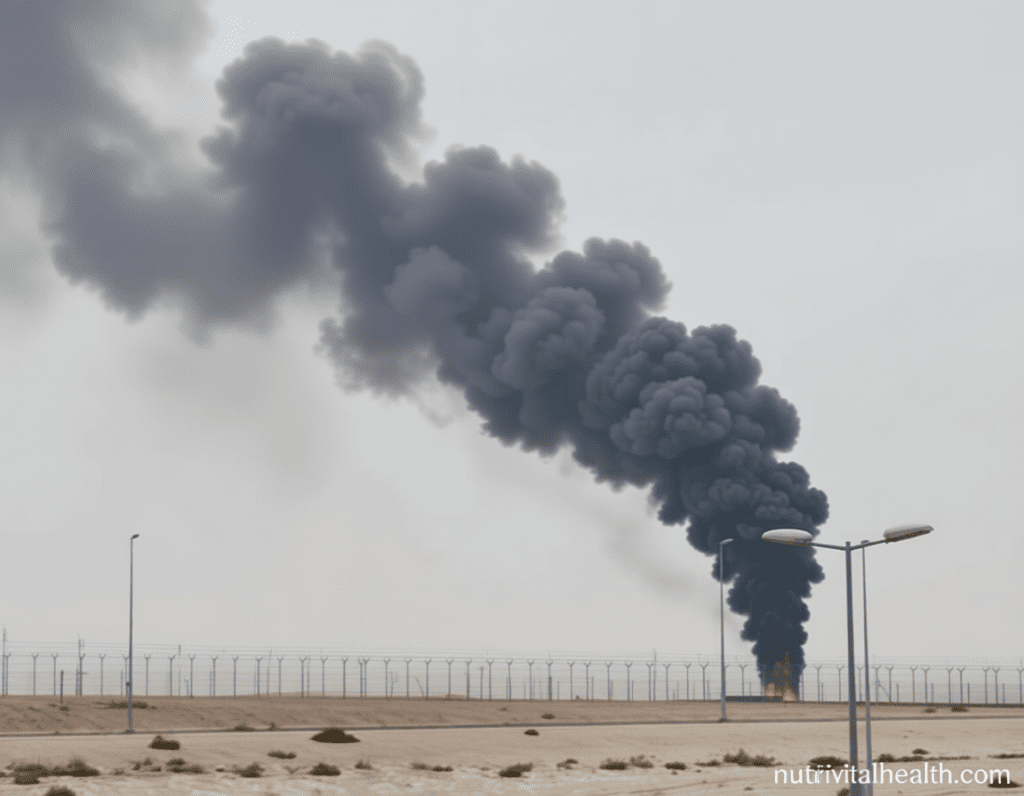
Some elements of the plan had been discussed before the war escalated, yet they remained contentious. A senior Iranian figure speaking to Al Jazeera called it “extremely maximalist and unreasonable,” while others indicated the country was still evaluating the proposal, finding it overly advantageous to US interests. Earlier, Iran had dismissed diplomatic overtures, mocking President Donald Trump and claiming Washington was negotiating among itself. Meanwhile, attacks on Israel and Gulf states persisted, with Tehran launching further strikes, including one that ignited a massive fire at Kuwait’s international airport.
“Our stance has remained consistent from the start,” said Lt Col Ebrahim Zolfaghari, an Iranian military spokesperson. “We will never agree to terms with someone like you.” The 15-point plan included measures not entirely new, having been part of prior negotiations. Iran had previously refused to yield on its ballistic missile program or regional proxy networks, viewing them as essential for defense against the militarily superior US and Israel.
Iranian officials remain cautious about engaging with the US, citing earlier setbacks. During a summer conflict with Israel, the US had bombed Iran’s nuclear facilities, and the latest war had coincided with progress toward a broader agreement. Israel’s actions, including the elimination of key Iranian leaders like Ali Larijani, the secretary of the supreme national security council, have raised fears about the safety of Iranian negotiators. “We’ve had a disastrous experience with US diplomacy,” stated Esmail Baghaei, the Iranian foreign ministry spokesperson, in an interview with India Today.
Domestic pressure on Trump to end the war has intensified, as Iranian strikes on Gulf energy infrastructure and the near-complete closure of the Strait of Hormuz have driven global oil prices to unprecedented highs. The announcement of the 15-point plan on Wednesday triggered a drop in fuel prices, with investors anticipating a resolution to the most severe energy crisis in decades. A recent Reuters poll revealed that 59% of Americans believe the US involvement in Iran has “gone too far,” contributing to Trump’s approval rating hitting an all-time low of 36%.
In contrast, Israel has aimed to sustain its military campaign, seeking to weaken the Iranian regime. Israeli officials were reportedly taken aback by the US ceasefire proposal, as the country continued to deploy troops to the region. The Associated Press reported that at least 1,000 soldiers from the 82nd airborne division, alongside 5,000 marines and thousands of sailors, would be sent to the Middle East, signaling a strategic buildup ahead of potential talks.
