
Trump hints at wind down of war as US prepares to send more troops to Gulf
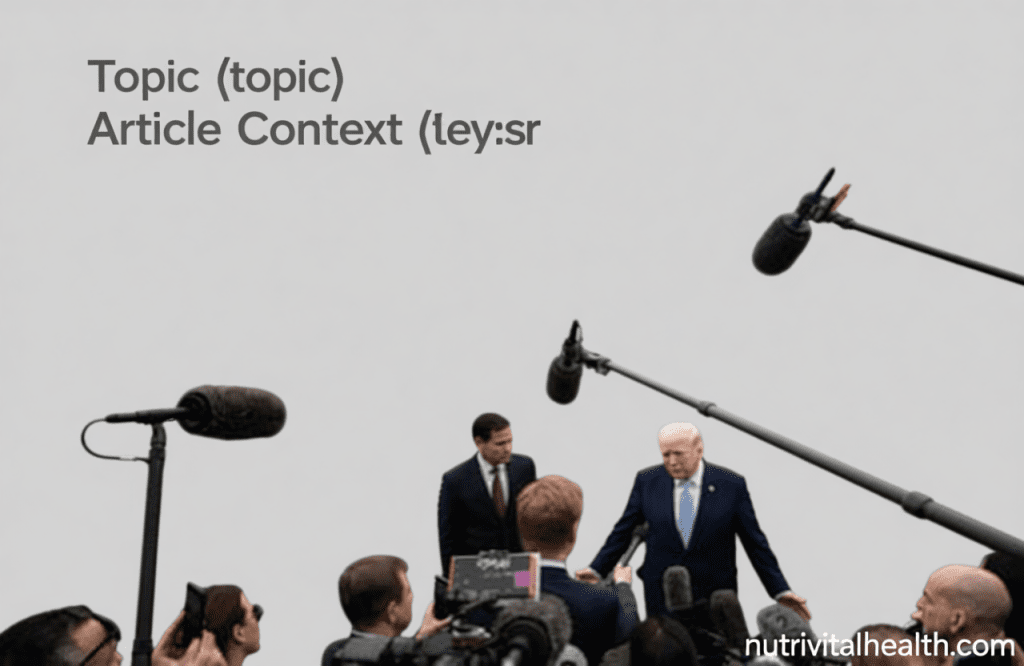
Trump Signals Potential Reduction in Middle East Conflict Amid Troop Deployment
As the United States ramps up its military presence in the Gulf, President Donald Trump indicated a possible shift toward reducing combat operations in the Middle East. Despite recent reports of additional forces being dispatched, including three amphibious assault ships and around 2,500 marines, the administration hinted at a strategy to ease tensions. The move comes amid escalating regional hostilities, including Iranian threats to target global tourist sites and continuous strikes by drones and missiles.
Trump’s remarks on Friday suggested a broader plan to secure strategic advantages. He emphasized that Washington maintains a strong position, stating, “I don’t want to do a ceasefire. You know you don’t do a ceasefire when you’re literally obliterating the other side,” as he addressed journalists at the White House. Yet, later that evening, he posted on his Truth Social platform, suggesting a “winding down” of efforts against Iran. “We are getting very close to meeting our objectives as we consider winding down our great Military efforts in the Middle East with respect to the Terrorist Regime of Iran,” he wrote.
Strategic Moves and Unfolding Tensions
Plans to occupy or blockade Iran’s Kharg Island—key to its oil exports—have emerged, even as earlier statements from Trump downplayed the need for ground troops. The island, spanning just 8 square miles and located 16 miles from Bushehr, serves as a critical hub for 90% of Iran’s oil shipments. Military officials remain vague about the exact mission for the newly deployed 31st Marine Expeditionary Unit, though the USS Boxer, part of the force, is set to depart three weeks ahead of schedule.
“Without the U.S.A., NATO IS A PAPER TIGER! They didn’t want to join the fight to stop a Nuclear Powered Iran. Now that fight is Militarily WON, with very little danger for them, they complain about the high oil prices they are forced to pay, but don’t want to help open the Strait of Hormuz, a simple military maneuver that is the single reason for the high oil prices. So easy for them to do, with so little risk. COWARDS, and we will REMEMBER!”
Regional violence shows no signs of easing, with attacks on Kuwait’s oil infrastructure and a coordinated strike on 16 Iranian cargo vessels in Gulf ports. A local official from Hormozgan province noted, “Following the American-Zionist air attack, at least 16 cargo vessels belonging to citizens of the towns of Bandar Lengeh and Bandar Kong were completely burned in the fire,” as reported by Tasnim. Meanwhile, Dubai faced heavy explosions as air defenses intercepted rockets during Eid al-Fitr celebrations.
Meanwhile, Israel’s military actions have intensified, targeting Syrian government positions just days after U.S. officials proposed using Syrian forces to disarm Hezbollah in Lebanon. The conflicting narratives from the Trump administration and its allies have left the war’s trajectory uncertain, with officials adjusting plans daily. A White House representative acknowledged, “As President Trump said, he has no plans to send troops anywhere – but he wisely does not broadcast his military strategy to the media, and he retains all options as commander-in-chief.”
